Recreation and entertainment in the United Kingdom
A guide to 148 Recreation and entertainment in the United Kingdom — with descriptions, photos and traveler visits from the NextOnTrip community. Locations spread across 40 cities and towns. Most visited by the community: Moors Valley Country Park, Wilton Park, Oakwood Park.
-

St. Andrew's Park
Londyn
St Andrew's Park is a public park in Hornchurch, in the London Borough of Havering, owned and managed by Havering London Borough Council. It is a quiet green space in the heart of the old village, with a play area, a wildflower meadow and easy paths, and it is well loved by local families. How did St Andrew's Park come about? The local Hornchurch Urban District Council bought the land in 1928 from New College, Oxford. It came as two parcels of roughly 2.9 and 4.4 acres, about 7.3 acres in total. Council minutes first called it the Village Recreation Ground. Little changed before the war, and the park stayed a grassy area for general recreation and winter team sports. Bigger investment followed after the Second World War. By the early 1960s the park had tennis courts, a putting green and a playground. Its name comes from the nearby parish church of St Andrew, which stands across the High Street. What did the 2010 restoration change? The park was substantially restored in 2010. New paths and recreational facilities were added, and the planting was designed with nature conservation in mind. Today St Andrew's Park is both a place to play and a small refuge for plants and insects. What can you do here? Walk the hard-surfaced perimeter path, which can be used all year round, even after rain. Use the play area, which is split into two sections, and the multi-use games area (MUGA). Work out on the outdoor gym. Let children ride on the marked cycling roadway laid out on a former tennis court. Kick a ball around on the central grassy area, which is marked out for football in winter. Explore the wildflower meadow on the eastern side and the conservation area near the ball court. The park holds Green Flag status, the UK award for well-managed green spaces. In 2019 it also won a Gold Award in the "Park of the Year" category at London in Bloom. How do you get to St Andrew's Park? There are two main entrances, on Burnway and Belleview. There is no car park on site, so public transport is the best option. Bus routes 165 and 370 serve the area, and Upminster Bridge and Emerson Park stations are nearby. Check the Havering council website for opening hours, as sources give slightly different information. Frequently asked questions Is there an entry fee for St Andrew's Park? No. It is a public park run by the borough council and is free to enter. Is the park suitable for children? Yes. It has a two-part play area, a multi-use games area and a cycling roadway for young riders on a former tennis court. Can I drive there? The park has no car park of its own. Buses 165 and 370, or a walk from Upminster Bridge or Emerson Park stations, are better choices. Is there wildlife to see? Yes. A wildflower meadow grows on the eastern side, and a conservation area sits near the ball court. What else is there to see nearby? Across the High Street stands the parish church of St Andrew, which gave the park its name, and the centre of Hornchurch is pleasant for a short stroll.
-
Northernhay Gardens
Exeter
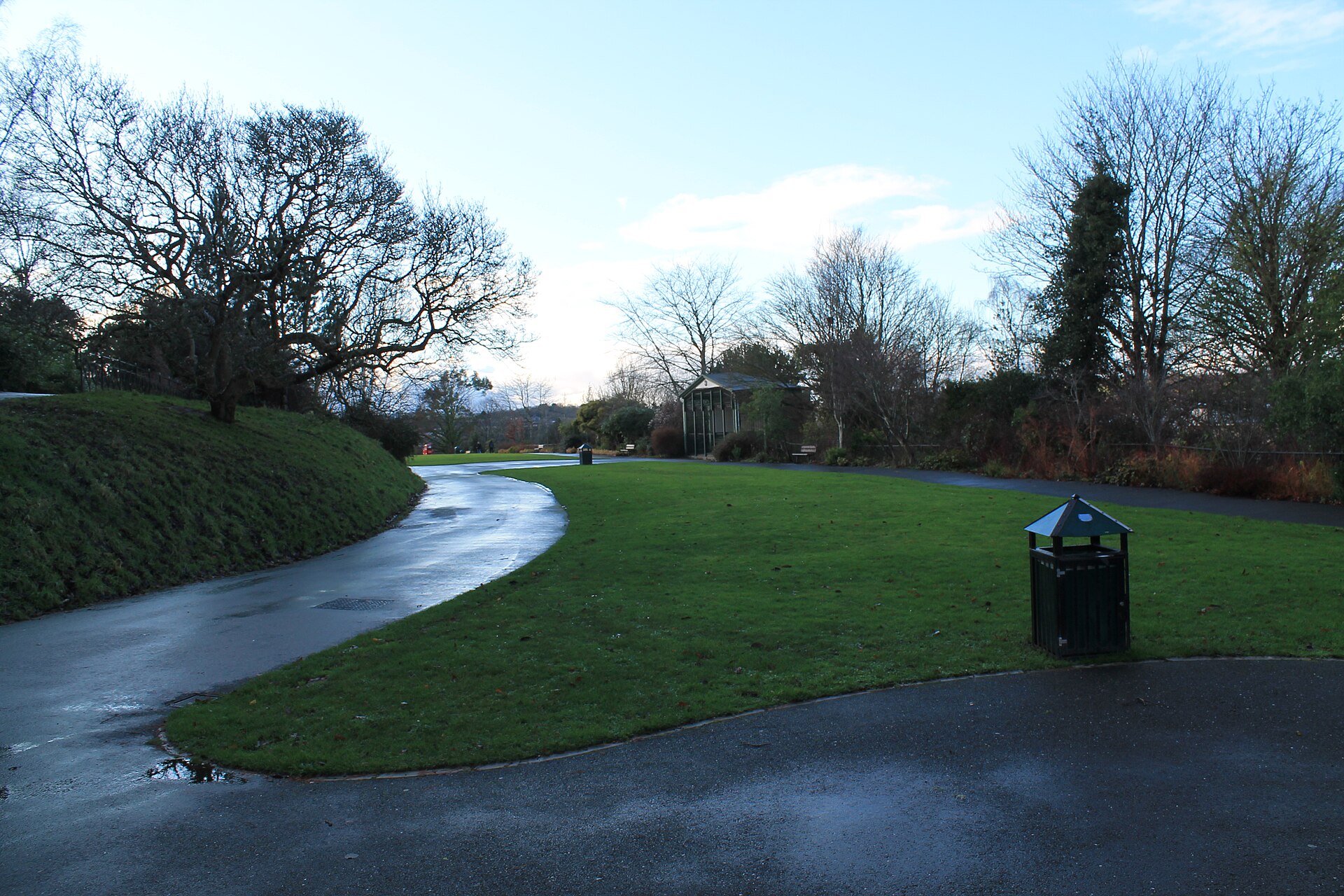
Northernhay Gardens is a historic public park in the centre of Exeter, Devon, in south-west England. It sits on the northern side of Rougemont Castle and is widely described as the oldest public open space in the country. Entry is free, the gardens are Grade II listed on the national Register of Historic Parks and Gardens, and Exeter City Council looks after them. How did Northernhay Gardens begin? The land was once a quarry. Stone for the city walls is said to have been taken from here as far back as Roman times, and the ground later formed part of the castle's Norman defences. In 1612 the city authorities laid it out as a pleasure walk for residents, which is the date usually given for the park's origin. The English Civil War wrecked that first layout, and in 1664 the city restored it with new elms and gravel paths. The next big change came in 1860, when the gardens were re-landscaped in Victorian style. Between 1860 and 1895 a group of monuments to leading figures of the age was added, and they still define the character of the place. What is there to see in Northernhay Gardens? The main draw is the sculpture and memorials along the paths: The Deerstalker (1875) by sculptor E. B. Stephens, shown at the Royal Academy in 1876. Statues of John Dinham and Sir Thomas Dyke Acland, also by Stephens. A statue of Stafford Northcote (1887) by Joseph Boehm. The Volunteer Memorial (1895), marking the formation of the 1st Rifle Volunteers in 1852. The Exeter War Memorial (1923) for the dead of the First World War: five symbolic bronze figures around a stone pedestal. There is also a bandstand. A century ago locals crowded in to hear concerts. In 1911 the landscape designer Thomas Mawson proposed a new bandstand and a better arrangement of the statues, but those plans were never carried out. What trees grow in the gardens? A stately avenue of elms once lined the central walk. In the mid twentieth century Dutch elm disease killed them and they had to be felled. Late in the century a stretch of the avenue was replanted with liquidambar, whose leaves turn vivid colours in autumn. Why visit Northernhay Gardens? It is a pleasant place to pause while exploring Exeter. The park lies right next to Rougemont Castle, so a stroll is easy to combine with seeing the remains of the Norman fortifications. For history lovers it works as an open-air gallery of Victorian sculpture, and for everyone else it is a green retreat in the heart of the city. Frequently asked questions Is Northernhay Gardens free to enter? Yes, it is a public park with free access. Where is it? In central Exeter, on the northern side of Rougemont Castle, in Devon. Is it really the oldest public park in England? That is the common claim, based on the pleasure walk laid out in 1612. The original layout was damaged in the Civil War and rebuilt in 1664. What are the highlights? The Victorian monuments, including The Deerstalker, the Stafford Northcote statue and the 1923 war memorial, plus the bandstand. Who manages the park? Exeter City Council.
-

Wanstead Park
Londyn
Wanstead Park is a municipal park of about 140 acres (57 hectares) in Wanstead, in the London Borough of Redbridge. Once a grand country estate, it is now a green retreat on London's north-eastern edge, managed by the Corporation of London as part of Epping Forest. What is Wanstead Park and where is it? The park lies in east London, in Redbridge, a borough that belonged to Essex until 1965. Wanstead is also the name of the surrounding district. Entry is free, and the grounds are open to walkers, runners and nature lovers. What is its history? A deer park was enclosed here from the royal forest of Epping in 1545. In 1673-74 Sir Josiah Child bought the estate of roughly 300 acres and began large-scale garden works. John Rocque's 1735 map shows a chain of ponds south of the house, including the Heronry, Perch and Great Lake ponds. John, the second Earl Tylney, inherited in 1750 and built the Temple and a grotto with a boathouse, completed by 1764 on the bank of the Ornamental Water. Humphry Repton worked on the grounds in the early 19th century, but the estate sank into debt. The house was auctioned in 1822 and demolished in 1824. In 1882 the Corporation of London bought part of the land and opened it to the public as part of Epping Forest. What is there to see? The Temple - an 18th-century building that escaped demolition because the estate's steward lived in it. It opens on selected weekends, at set hours, in summer and winter. The Grotto and boathouse - the grotto outlived the house but burned down in an accidental fire two years after the park opened to the public. The boathouse has since been restored. Ornamental Water - a decorative lake with an island that once held a sham fort. Heronry Pond - used for regattas and swimming galas from the 1920s to the 1940s. Can you fish here? Yes, seasonal fishing is available on Perch Pond and the Ornamental Waters. Frequently asked questions Is Wanstead Park free to enter? Yes, there is no entry charge. Is the original house still standing? No. It was demolished in 1824, but the Temple and the restored grotto boathouse survive. When did the park open to the public? In 1882, after the Corporation of London bought the land. How should I plan a visit? It suits a relaxed walk along the ponds. If you want to see inside the Temple, check opening times first, as it opens only on certain weekends. Who is it for? Anyone looking for quiet and history in London without paying: the lakes, the traces of the former estate and the closeness of Epping Forest make it a good half-day outing away from the centre. The managers favour conserving the existing landscape over restoring it, so some of the old layout is visible only in outline.
-

Beach House Park, Worthing
Worthing
Beach House Park in Worthing is a formal garden in West Sussex, on England's south coast, opened in the early 1920s. Covering about 9.57 acres (3.87 hectares), it has long been one of the town's most carefully kept green spaces. It is best known for its neat lawns, flowerbeds and bowling greens of international standard. How did Beach House Park come about? The land once belonged to the Beach House estate, whose centrepiece is a Regency villa designed by John Rebecca and built in 1820. Worthing Borough Council bought the grounds in December 1922, and the park opened in early 1924. It was conceived as a place for residents and seaside visitors to stroll and relax. What is there to see? The layout is formal, with manicured lawns and flowerbeds that make for easy, pleasant walking. The bowling greens are the park's real claim to fame. Sources differ on the number, from four to five, but all agree on their quality. The park began with two greens, and more were laid out in 1926, 1934 and 1967. The council describes Beach House Park as the home of flat green bowling in Worthing. The war pigeons memorial One of the park's more unusual features is a memorial to war pigeons. The original design was a circular mound planted with shrubs, with a rockery, streams and pools, two boulders carved with inscriptions and two stone pigeons. One inscription honours the warrior birds that gave their lives on active service in 1939-45. The pigeon sculptures were later stolen and have not been replaced, and a fence was added around the mound. The stones were refurbished and repainted in 1999, and the council continues to look after the memorial with help from the Scouts. The café and recent history A café in the grounds was destroyed by fire in 2009. If you plan to spend a longer time here, check the council's website beforehand for the facilities currently available. Frequently asked questions When did Beach House Park open? It opened in early 1924, after the council bought the land in December 1922. How big is the park? About 9.57 acres, or 3.87 hectares. Can I see bowling greens there? Yes, they are a main attraction. The greens are kept to an international standard, and the park is regarded as the home of flat green bowling in Worthing. What does the memorial commemorate? It honours war pigeons, including birds that gave their lives on active service in 1939-45. Is there a café? The former café burned down in 2009, so check current information before your visit. Who is it for? Beach House Park suits anyone who enjoys formal gardens, quiet seaside walks and local history. A visit does not take long, so it pairs well with a look at the nearby Regency Beach House and the seafront side of Worthing. Bowls enthusiasts will find some of the region's best-kept greens, and visitors interested in wartime history will find an unusual memorial dedicated to animals.
-

Bellahouston Park
Glasgow
Bellahouston Park is a large public park on the South Side of Glasgow, Scotland. It covers about 71 hectares and sits between the neighbourhoods of Craigton, Dumbreck, Ibrox and Mosspark. It combines open lawns, a golf course, views over the city and a few of the most notable episodes in Glasgow's modern history. Where is Bellahouston Park and how big is it? The park lies in the Bellahouston district, a few kilometres southwest of the city centre. Its 71 hectares make it one of the larger green spaces on this side of the city. It is bordered by residential districts, so it works as an everyday local park as well as a place visitors can reach on a day out in Glasgow. The address most often used for the house at its edge is Dumbreck Road, G41. How did the park come into being? Glasgow Corporation bought the main part of the land in 1895 for £50,000, and the park opened to the public in 1896. It was then enlarged in stages: 1899: the city's second municipal golf course was laid out here, after the earlier success of the course at Alexandra Park. 1901: part of the Dumbreck lands was added. It was bought from Sir John Stirling-Maxwell for £2,824. 1903: the lands of Ibroxhill were added at a cost of £40,222. This is the high ground that offers commanding views over the city. Today's layout is the result of those purchases, and the Ibroxhill rise remains a good spot to look back over Glasgow. What happened here in 1938? Bellahouston Park hosted the Empire Exhibition of 1938, a huge event with pavilions from across the British Empire. Sources quote visitor numbers in the region of 12 to 13 million over roughly four months. The 91-metre Tait Tower was built as a landmark of the exhibition, but it did not survive the outbreak of the Second World War. Of the exhibition buildings, only the Palace of Art is still standing. Papal Masses The park has also hosted open-air religious gatherings on a very large scale. Pope John Paul II celebrated Mass here on 1 June 1982, and estimates of the crowd range from around 250,000 to 280,000, often described as the biggest gathering ever seen in Scotland. Part of the ceremonial platform is still there. Pope Benedict XVI held a Mass in the park in September 2010. What is House for an Art Lover? At the edge of the park stands House for an Art Lover, built between 1989 and 1996 from a design Charles Rennie Mackintosh produced with Margaret MacDonald in 1901. The design was made for a competition and never built in his lifetime. The house now hosts exhibitions and events. It also runs the nearby Bellahouston Heritage Centre, which is included in the house ticket. Frequently asked questions Is Bellahouston Park free to enter? Yes, it is a public park. Tickets are only needed for attractions such as House for an Art Lover. Is there a golf course? Yes. Glasgow's second municipal golf course was established here in 1899. What is the best viewpoint? The higher ground of the former Ibroxhill lands offers the widest views over the city. What remains of the 1938 exhibition? The Palace of Art is the only surviving building.
-
Greenwich Park
Londyn
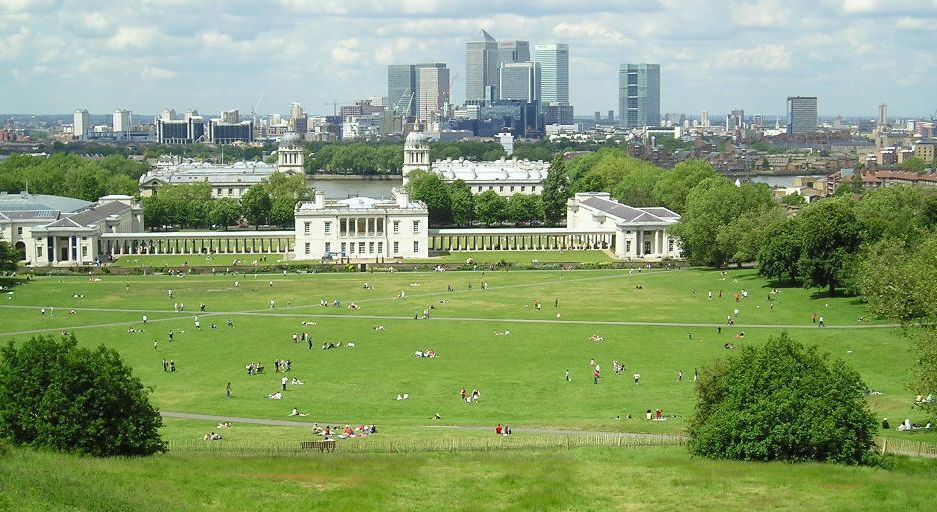
Greenwich Park is one of the eight Royal Parks of London and the first of them to be enclosed. Covering 74 hectares on a hill in the south-east of the city, it is a former hunting park and part of the Greenwich World Heritage Site. Why visit Greenwich Park? It is one of the largest single green spaces in south-east London. The park combines flower gardens, open grassy areas and wooded stretches with elevated views that the flatter parts of the city cannot offer. It is an easy place to rest after a day of museums and historic sights nearby. What is there to see? The hilltop is home to the Royal Observatory. It was commissioned by Charles II, and its foundation stone was laid on 10 August 1675. The site was chosen on the advice of Christopher Wren, and the building was meant for determining longitude, which mattered for navigation and astronomy. The Prime Meridian runs through the park. In the observatory courtyard it is marked by a stainless steel strip, and further markers sit on a path north of the building and on nearby streets: Chesterfield Walk to the south and Park Vista to the north. You can stand with one foot in the eastern hemisphere and the other in the western. Elsewhere in the park you will find: flower gardens, a children's playground, cafés, a bandstand, a boating lake and a pond, woodland and "The Wilderness", a wildlife habitat. What are the views like? From the higher parts of the park you can see the River Thames, the Isle of Dogs and the City of London. It is a classic spot for skyline photos, especially with the towers of the City in the distance. Why is the Prime Meridian at Greenwich? At a conference in Washington D.C. in October 1884, Greenwich was chosen as the location of the Prime Meridian. All but three of the 41 delegates voted in favour. As a result, the park and observatory became a reference point for maps and time zones around the world. Frequently asked questions How big is Greenwich Park? The park covers 74 hectares. Is Greenwich Park a Royal Park? Yes, it is one of the eight Royal Parks of London and the first to be enclosed. Where is the Prime Meridian in the park? It passes near the Royal Observatory. A stainless steel strip marks it in the courtyard, with further markers on a path north of the observatory and on nearby streets. Is it suitable for visiting with children? Yes. The park has a playground, cafés and a boating lake, and a walk through the flower gardens and woodland easily fills a few hours. Can you see central London from the park? Yes. From the hill you can see the Thames, the Isle of Dogs and the City of London. Planning your visit Set aside a few hours. A good route is to climb the hill to the observatory, take a photo on the meridian line, then wander through the flower gardens and wooded areas, stopping at a café or by the lake. The park pairs well with a day exploring the other Greenwich sights, which together form the UNESCO World Heritage Site.
-
Hove Park
Portslade by Sea
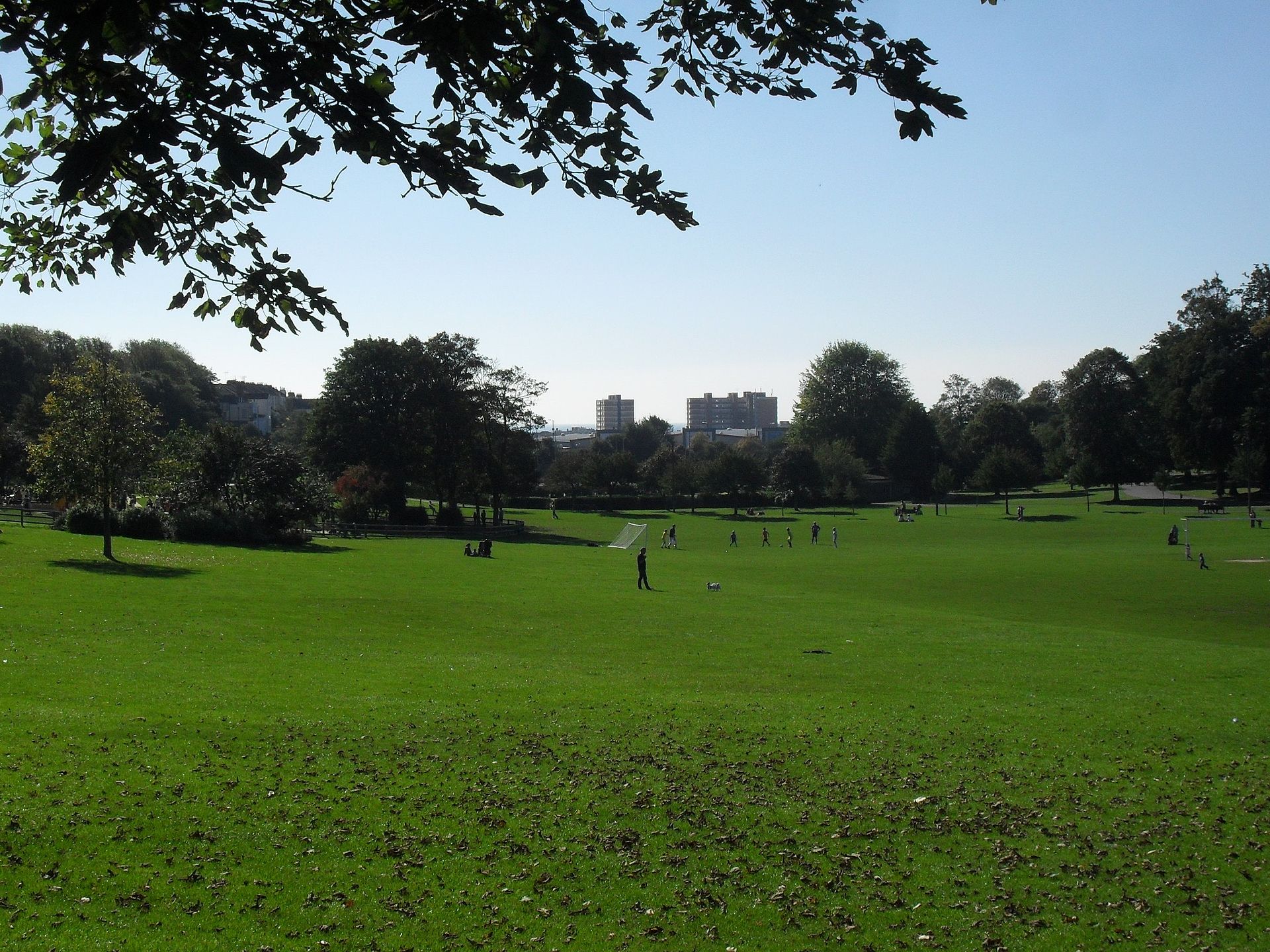
Hove Park is a large public park in the English seaside city of Brighton & Hove, on the Hove side of the city, a short distance inland from the coast. It is a local favourite for sport, family outings and weekend walks, and it holds one of the area's more curious landmarks: a 20-ton boulder known as the Goldstone. What is the history of Hove Park? The land once belonged to a larger estate owned by the Stanford family, who lived at Preston Manor. Hove Council bought the site, about 39 acres, in 1899. The Mayor of Hove opened the park to the public in May 1906, and by 1908 more sports facilities and a drinking fountain had been added. The pavilion dates from 1925. The miniature railway arrived in 1951, after being moved from the Withdean Olympic Stadium. What is the Goldstone? In the south-western corner of the park stands the Goldstone, a boulder weighing around 20 tons. Local tradition connects it with Druids and with a prehistoric stone circle, although this is a matter of belief rather than proof. According to the account usually told, a farmer buried the stone in the 1830s so that sightseers would stop trampling his crops. It was dug up again and set in its present position in 1900. A separate folk legend says the devil hurled it while digging Devil's Dyke, but that is a story, not history. What can you do in Hove Park? Play and sport: a fenced playground, a football pitch, a basketball court, a climbing boulder and several tennis courts. The old bowling green is no longer in use. Walking and running: a paved path circles the park and measures roughly 1.17 miles (about 1.9 km). The park is also home to the Brighton parkrun. Miniature railway: a 5-inch gauge line runs on occasional weekends and bank holidays in spring, summer and autumn. Food and drink: a café is open year-round, with public toilets nearby. Pavilion: the club pavilion and bowling green have been leased by Brighton and Hove City Council to a local health and fitness club. Where is it and how big is it? The park sits beside Old Shoreham Road in the Hove Park area, which is also the name of an electoral ward of Brighton and Hove. At the 2011 census the ward had a population of 10,602. The park's area is usually given as 39 or 40 acres, depending on the source. Frequently asked questions Is Hove Park free to enter? Yes, it is a public park open to everyone. Is there a café? Yes, a café operates throughout the year and public toilets are close by. Is it good for children? It has a fenced playground, a climbing boulder and a miniature railway that runs on selected days, so it suits families well. What is the big rock in the corner? It is the Goldstone, a boulder of about 20 tons that was moved to its present spot in 1900 and is linked in local tradition with Druids. Can I run here? Yes. A paved loop of about 1.17 miles goes round the park, and the Brighton parkrun is held here.
-

Queen Square
Londyn
Queen Square is a small garden square in London's Bloomsbury district, in the Borough of Camden. Laid out in the early 18th century, it keeps a quiet, intimate feel despite sitting in the heart of the city. It makes a good stop if you want a break from busy streets and a glimpse of Georgian London. How did Queen Square come about? The square was built between 1716 and 1725 on land that had been the garden of Sir John Cutler's house. Sources differ on its first name, but it ended up named for the reigning monarch, Queen Anne. The surrounding houses were originally residential, then gradually gave way to educational and, above all, medical institutions. What is there to see? At the northern end of the garden stands a lead statue of a queen. For a long time it was assumed to be Anne; today it is more often said to be Charlotte, wife of George III, though Anne or Mary II remain possibilities. It is a nice reminder that even well-known London monuments can be puzzles. Other things to look for on the square: a small plaque marking a bomb that fell here during a Zeppelin raid in the First World War, causing no deaths, benches in memory of 16 doctors from the homeopathic hospital who died in the 1972 Trident air disaster, a 2001 bronze called Mother and Child, a sculpture of a cat named Sam. Medicine and royal history The square has a strong medical identity. The National Hospital for Neurology and Neurosurgery and the Royal London Homeopathic Hospital are on or near it. It also features in the story of King George III, who was treated for mental illness in a house on the square. Local tradition says Queen Charlotte stored some of his food in the cellar of the building that now houses the Queen's Larder pub. The garden today The gardens are protected by an Act of Parliament from the 1830s, and trustees appointed under it still look after them. That is why the square remains a green place to sit rather than just a gap between buildings. Bring a coffee, take a bench and look at the brick facades around you. Frequently asked questions Where is Queen Square? In Bloomsbury, central London, in the Borough of Camden, close to the British Museum and many university buildings. Is it the same as Queen's Square in Belize? No. Belize has an electoral constituency with a similar name, but it is an entirely different place. This is a garden square in London. Who does the statue show? Traditionally Queen Anne, but it is now more often identified as Charlotte, wife of George III. Sources are not definitive. How long does a visit take? Fifteen to thirty minutes is enough. It pairs well with a walk through nearby Bloomsbury streets. Can I sit and rest here? Yes, the garden has benches, and the Queen's Larder pub, linked to the George III story, is next door.
-
Vauxhall Gardens
London
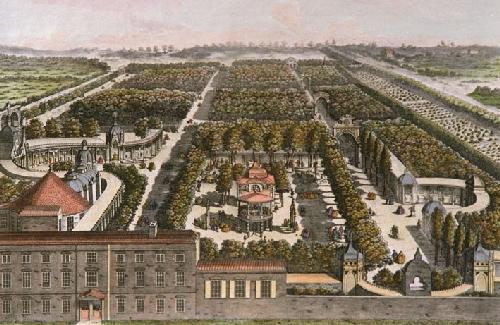
Vauxhall Gardens is a public park in Kennington, in the London Borough of Lambeth, on the south bank of the River Thames. It is a small green space in a dense urban neighbourhood, and its name points back to one of the most famous entertainment venues in the history of London. What is Vauxhall Gardens today? The park is a modest urban garden managed by the local council, covering roughly three hectares. It serves residents as a place for a walk, a break among trees and a bit of open space close to the river. Among its features are mature deciduous trees, allotments and Vauxhall City Farm, which makes the place popular with families and with people who like community-run green projects. It is not a grand landscaped estate, and visitors should treat it as a quiet local park with an interesting past rather than a major sightseeing stop. Why does the name matter? The present park occupies only part of the area once taken by the historic pleasure garden of the same name. That earlier garden began as the New Spring Gardens and is believed to have been open before the Restoration of 1660. The diarist Samuel Pepys mentioned it in 1662, and John Evelyn also wrote about "The Spring Gardens". The older name survived in official documents for a very long time, even though the public simply called the place Vauxhall Gardens. At first, entry was free and the owners earned money by selling food and drink. Later, admission was charged. Over the following two centuries the gardens became one of the leading venues for public entertainment in the capital, from the mid 17th century to the mid 19th century. What went on in the historic gardens? Visitors came for an unusual mix of attractions: concerts, fireworks, tightrope walkers and hot air balloon ascents. One of the best remembered spectacles was a re-enactment of the Battle of Waterloo in 1817, which involved about a thousand soldiers. The gardens offered crowds of very different social backgrounds a shared evening out, which was unusual for the period. How did the old gardens end? The business ran into financial trouble. The gardens closed in 1840 after the owners went bankrupt, reopened in 1841, changed hands in 1842 and closed for good in 1859. The land was built over in the following decades. How did the park come back? In the 20th century, slum clearance freed part of the former site, and a public green space was created there. It was first known as Spring Gardens, a nod to the original name, and was later renamed Vauxhall Pleasure Gardens in 2012. The name Vauxhall Gardens is still widely used for it. Frequently asked questions Where is Vauxhall Gardens? In Kennington, in the borough of Lambeth, on the south side of the Thames in London. Is it the same place as the historic pleasure garden? Partly. The park lies on a portion of the old site but is a much smaller, modern green space. What can I see there? Trees, allotments and Vauxhall City Farm. Is it worth a visit? It suits a short, relaxed stop, especially if you are interested in London's social history or are already exploring the area around the river. Do I need a ticket? The park is a public space run by the council, so you can enter it as you would any local park.
-
Wimbledon Park
Londyn
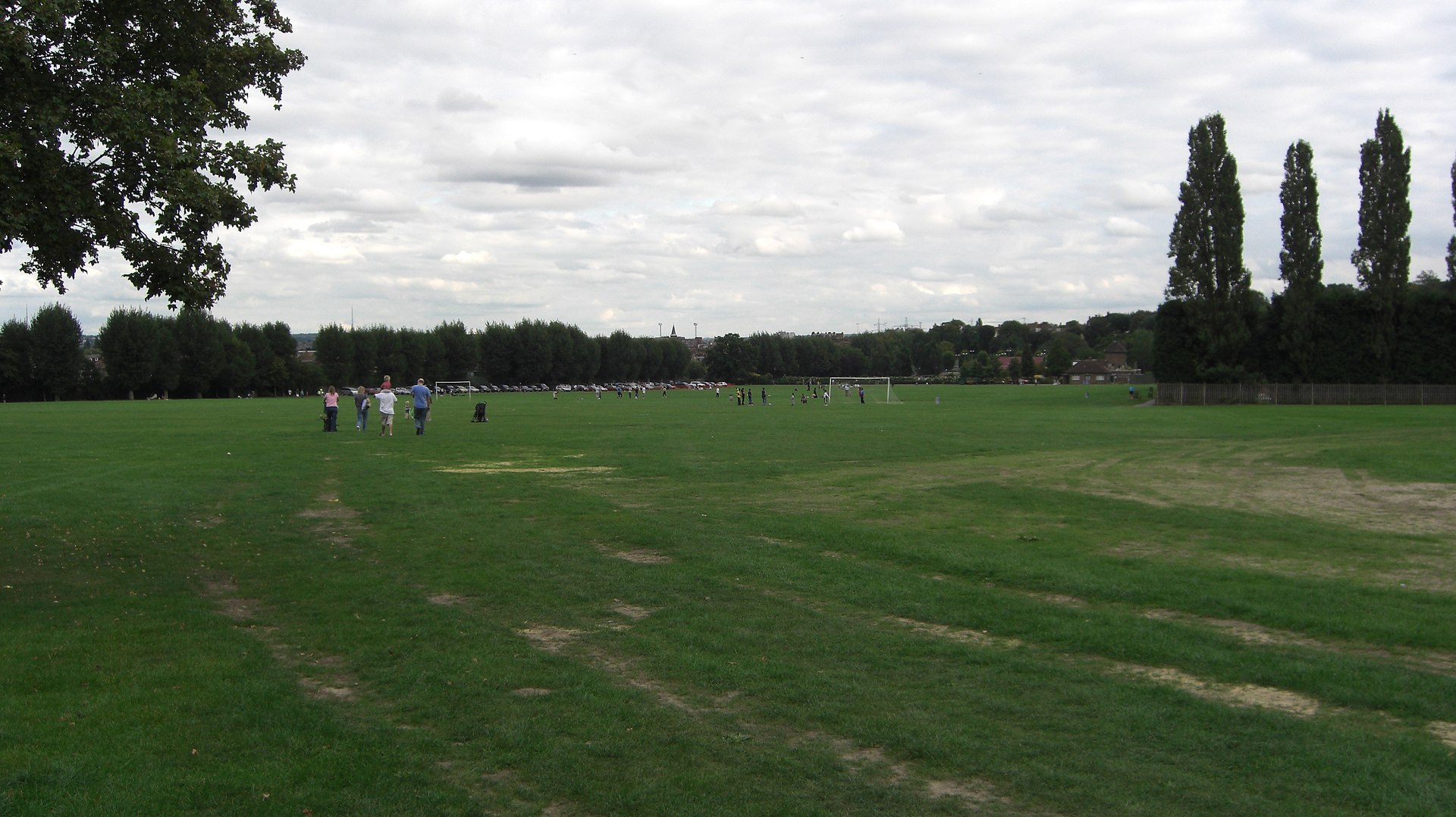
Wimbledon Park is a public park of about 27 hectares in south-west London, and it has given its name to the surrounding residential suburb as well. It is a good pick for a quiet walk away from the crowds of central London, and it sits right next to one of the most famous tennis venues in the world. Where is Wimbledon Park and what should you know about it? The park lies in the Wimbledon area. The name covers three things at once: the park itself, the suburb to the south and east of it, and Wimbledon Park tube station. Wikidata describes it as an area and park in the London Borough of Merton. It is not part of Wimbledon Common, the much larger stretch of open land further west up the hill. What is the history of the park? The landscape took shape in the 18th century. In 1764 the estate's owner, Earl Spencer, hired the celebrated landscape designer Capability Brown. Brown replaced the earlier formal Renaissance gardens with a more natural scene. His signature feature here is the lake, created by damming a brook that runs towards the River Wandle. The park still shows the gently rolling grassland and scattered trees typical of the English landscape style. In 1914 the authorities of the Borough of Wimbledon bought the northern part of the parkland, including the lake. A golf course was laid out on part of the remaining land, and in 1922 the All England Lawn Tennis and Croquet Club, host of the Wimbledon Championships, was established on its new grounds to the west. Today Merton Council looks after the public park and lake, while the former golf course land belongs to the tennis club. What can you do here? Walk around the lake – the most popular route, calm and easy for everyone. Relax on the grass – the open lawns suit picnics and children's games. Watch wildlife – the lake and mature trees attract waterbirds. Combine it with tennis – the club with the Wimbledon courts lies directly to the west of the park. Local sources mention that residents once swam in the lake in summer and skated on it in winter. That is no longer something to count on, so follow any signs posted on site. How do you get to Wimbledon Park? The easiest way is the Underground. Wimbledon Park station is on the District Line, between Southfields and Wimbledon, in fare zone 3. The station is on Arthur Road, near the junction with Melrose Avenue. From central London you can reach it on a District Line service without changing at the station itself. Frequently asked questions Is Wimbledon Park the same as the Wimbledon tennis courts? No. The courts belong to the All England Lawn Tennis and Croquet Club, just west of the park. The park is a separate public space. How big is the park? About 27 hectares, enough for a leisurely walk of a few hours. Is the park part of Wimbledon Common? No. Wimbledon Common lies further west up the hill and is a separate area. Which tube station should I use? Wimbledon Park, on the District Line in zone 3. Who designed the park's landscape? Capability Brown, who worked here for Earl Spencer from 1764.
-

Pymmes Park
Londyn
Pymmes Park is a public park in Edmonton, north London (in the borough of Enfield), bordered by the busy North Circular Road. Despite the traffic nearby, it is one of the area's major green spaces, with a history reaching back to the Middle Ages. What is the history of Pymmes Park? The land was once a country estate. According to records, the first house was built here in 1327 by William Pymme, who gave the place its name. In 1582 the estate was bought by William Cecil, Lord Burghley, Lord High Treasurer of England, and it stayed in the family until 1801. The old mansion no longer stands and was eventually demolished. At the turn of the 20th century the land passed to local authorities. The estate was purchased in the late 1890s. The northern part opened first, and the rest of the grounds were laid out and opened in 1906. Since then the park has served local residents for relaxation and sport. What is there to see? The most valuable historic feature is the walled garden. The surviving Grade II listed walls enclose the garden on three sides and are the only remnant of the original house and its outbuildings. Inside you will find an ornamental pond, herbaceous borders and bedding plants. The garden has been restored to its 1930s design. The park also has two lakes, which add charm to a stroll and attract waterfowl. Can you visit the walled garden at any time? Not always. Access is limited: the garden is open on summer afternoons or on request. Check the Enfield Council website for current hours before you go. What facilities does the park offer? It is geared towards active leisure. You will find: two children's playgrounds, tennis courts and a basketball court, a bowling green, football pitches and a multi-use games area, toilets and a visitor centre. A weekly parkrun, a free 5 km run, has taken place here since 2011. The Pymmes Brook Trail also passes through the park, following the brook. Who is Pymmes Park for? Families with children, runners, walkers and garden lovers. If you are exploring London beyond the usual centre and want to see an everyday city park in the northern districts, it makes a good stop for a quiet afternoon. Frequently asked questions Where is Pymmes Park? In Edmonton, north London, in the borough of Enfield, next to the North Circular Road. Is there an entry fee? It is a public municipal park. Check the Enfield Council website for the current rules on individual facilities. Is there anything for children? Yes, there are two playgrounds, plus pitches and courts. When can I visit the walled garden? Ideally on summer afternoons, after checking the current opening hours. Can I run here? Yes. A weekly parkrun takes place in the park, and the Pymmes Brook Trail follows the brook.
-

Grosvenor Square
City of Westminster
Grosvenor Square is a large garden square in Mayfair, in the City of Westminster, London. For generations it was a private garden for the wealthy, and in the 20th century it became one of the most "American" corners of the capital. Today the garden is open to everyone, and the buildings around it are mostly offices and other commercial uses. Where does Grosvenor Square come from? The square was laid out in the 18th century as part of a residential development on land belonging to the Duke of Westminster. Its name comes from the family surname, Grosvenor, and it is the centrepiece of the family's Mayfair estate. Sources disagree on the exact date of the first layout, ranging from the 1720s to the early 1730s. Fashionable townhouses rose around the garden for London's elite. Why was it called "Little America"? The American connection began in 1785, when John Adams, the first US Minister to the Court of St James's, rented a house at number 9. During the Second World War, General Eisenhower's headquarters were at number 20, and the square became informally known as "Little America" or "Eisenhowerplatz". The United States embassy was based here for much of the 20th century. The later building designed by Eero Saarinen served as the embassy from 1960 to 2018. After the embassy moved, it was converted into the Rosewood Chancery hotel. When did the garden open to the public? From 1835 an Act of Parliament reserved the garden for residents of the surrounding houses. That changed after the Second World War, when a memorial to President Franklin D. Roosevelt was proposed. Another Act in 1946 allowed the statue to be installed and opened the garden to the public at the same time. The re-landscaped garden opened in 1948, and Eleanor Roosevelt unveiled the memorial on 12 April 1948, the third anniversary of her husband's death. What is there to see? Franklin D. Roosevelt memorial – the focal point of the garden. September 11 Memorial Garden – opened in 2003 on the eastern side of the square. Monument to the Eagle Squadrons – on the south side, honouring American volunteer pilots. The former US embassy – Saarinen's distinctive building, now a hotel. The garden is being re-landscaped, with completion planned for summer 2026. The Roosevelt statue and the other memorials are due to stay in place. Frequently asked questions Where is Grosvenor Square? In Mayfair, in the City of Westminster, in central London. Is there an entrance fee? No. The garden has been public since 1948. Is the US embassy still here? No. Saarinen's building served as the embassy from 1960 to 2018 and is now a hotel. Why is it called Grosvenor Square? After the Grosvenor family name, held by the Dukes of Westminster, who owned the surrounding land. What can I combine with a visit? The square sits in the heart of Mayfair, so it pairs easily with a walk through the neighbouring streets and parks. Start at the Roosevelt memorial, loop round the garden and pause at the other memorials, then view the former embassy from outside. The whole visit usually takes about half an hour, though anyone interested in Second World War history may want to linger, since the square was an important focus of the American presence in London during that period.
-
Gladstone Park
Londyn
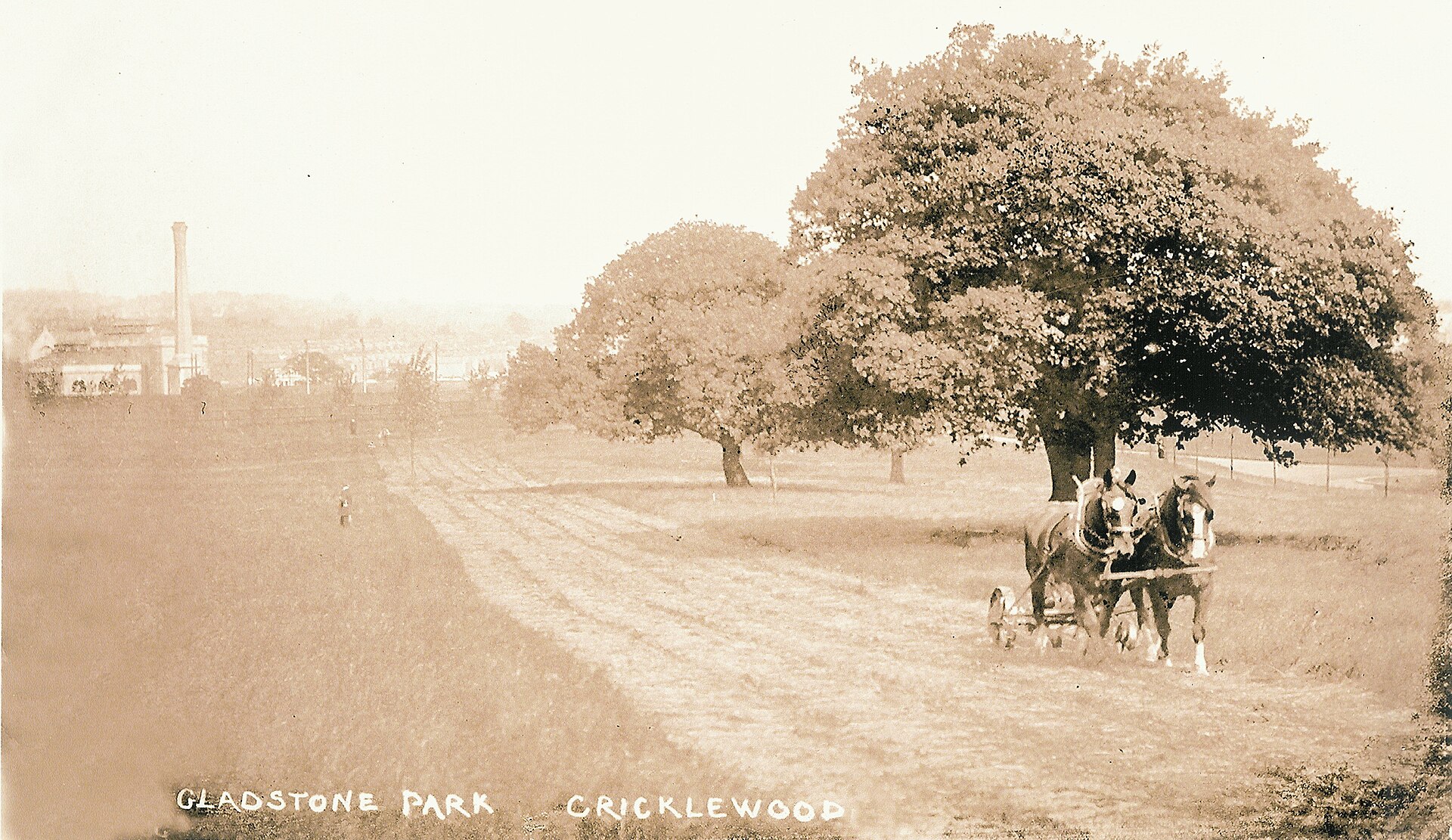
Gladstone Park is a public park in Dollis Hill, in the Brent borough of north-west London. Set on a hill, it grew out of the old Dollis Hill House estate and has been open to the public since 1901. It makes an easy escape from central London, with wide green spaces to explore at a relaxed pace. Who was the park named after? The park honours William Gladstone, the Liberal Prime Minister who spent many weekends at Dollis Hill House. The local authority, Willesden Rural District Council, bought the house and surrounding land in 1898 and laid out a public park. The Earl of Aberdeen opened it in May 1901. What happened to Dollis Hill House? The house dates from the 1820s and was first home to the Finch family. Over the years it served as a restaurant and, during the First World War, as a hospital. It later fell into disrepair and was badly damaged by fire in 1996, then demolished in 2012. Low brick walls from the original structure still remain on the site. What is there to see and do? According to Brent Council, the park has meadows, tree-lined avenues, a walled garden, a duck pond, sports pitches, tennis courts, an outdoor gym and children's playgrounds. You will also find a cafe, toilets and a car park. The Stables Arts Centre and Gallery operates in the former estate buildings, and the park hosts events such as a family fun day. Art is part of the visit too. A Holocaust memorial by the artist Fred Kormis stands here (sources date it to around 1968-1970), along with a wooden sculpture called the "Brentosaurus", commissioned by the borough in 1995. Has the park been restored? Yes. A Heritage Lottery Fund refurbishment programme in 2003-04 restored many of the park's historic features. Getting there and opening times The nearest Tube station is Dollis Hill on the Jubilee line, and several bus routes serve the area. The park has no restricted opening hours, although the walled garden is locked at dusk. Frequently asked questions Is Gladstone Park free to enter? Yes. It is a public park with unrestricted access. Only the walled garden is locked at dusk. Is it good for children? Yes. There are playgrounds, a duck pond, open meadows and family events. Where can I get a coffee? There is a cafe in the park, plus toilets and a car park. Can I play tennis or work out? Yes. The park has tennis courts, sports pitches and an outdoor gym. How do I get there by Tube? Take the Jubilee line to Dollis Hill station, a short distance from the park.
-

Hendon Park
Londyn
Hendon Park is a 12-hectare public park in Hendon, in the London Borough of Barnet, in the north-west of the capital. It lies about 11 km from the city centre, right by Hendon Central Underground station, so it is easy to reach. It is mainly a green space for local residents, but it is worth a visit during a longer stay in London if you want to see everyday life away from the main tourist areas. Where is Hendon Park and how do you get there? The park sits in north-west London, in the borough of Barnet. The simplest route is the Northern line to Hendon Central, which is a very short walk away. Several bus routes also serve the area. The park is open to everyone and there is no entry fee. What is the history of the park? The land was once part of a medieval estate and later belonged to the Kemp family, who owned it from 1868. The local council then bought it to create a public park. According to Barnet's own information, it opened to the public in 1903. Hendon became part of the larger London Borough of Barnet in 1965. In 1940, during the Second World War, the park hosted a large public rally that drew many thousands of people. What can you do in Hendon Park? The park caters for many kinds of activity. You will find: tennis courts, basketball and multi-sports courts, a seven-a-side football pitch, a bowls green, an outdoor gym, play areas for children of different ages, a café and a water feature. For families it is a practical place to spend a few hours: benches, playground and café are all in one spot. Walkers and runners can follow the paths between trees and lawns. Is there a memorial in the park? Yes. Hendon Park contains a Holocaust Memorial Garden, and an annual commemoration service for all those who perished in the Holocaust takes place here. It is a quiet, reflective corner that sets the park apart from an ordinary recreation ground. If you visit the garden, please keep noise down and show respect. What else is worth seeing? The park also has a Children's Millennium Wood, planted in 2000, and a large Japanese maple, said to be one of the biggest in Greater London. The park borders the Northern line, and the railway cutting beside it, together with the park, is designated a Site of Local Importance for Nature Conservation. That makes it a decent spot for noticing urban birds, insects and plants growing alongside the tracks. Frequently asked questions Is Hendon Park free to enter? Yes, it is a public park with no admission charge. Only some services, such as booking tennis courts, may cost money. Is it a good place for children? Yes. There are play areas for different age groups, a café and plenty of open space. How long should I plan for a visit? An hour is enough for a relaxed stroll. If you want to use the café, playground or sports courts, allow one and a half to two hours. Is it worth visiting as a tourist? It is a local park rather than a headline attraction. It works well as a rest stop when you are in north London, and for anyone interested in local history and Holocaust remembrance. How can I check what is currently available? Facilities change from time to time, so check Barnet Council's website for the current list before you go.
-

Woodhouse Moor
Leeds
Woodhouse Moor is the large urban park in north-west Leeds, about one mile (1.6 km) from the city centre in West Yorkshire, England. Locals and students treat it as the neighbourhood's green backyard, and many simply call it Hyde Park after the district beside it. Where is Woodhouse Moor and how do you get there? The park lies north-west of Leeds city centre, roughly a mile away. It is bordered by Woodhouse, Burley, Hyde Park and Headingley, as well as the University of Leeds campus. That makes it an easy walk from the centre, and the park works as both a shortcut and a meeting place for people living nearby. Its coordinates are about 53.81 N, 1.56 W. What does Woodhouse Moor consist of? The area is split into three parts. The formal park, around 26 hectares, sits on the west side of Woodhouse Lane. On the east side are two further open areas known as Monument Moor and Cinder Moor. These fields host events such as circuses and sporting matches, and are sometimes used for car parking. How did the park come about? Woodhouse Moor began as open moorland on the edge of the town. A reservoir was built here in 1837. In the middle of the 19th century the land passed into the hands of Leeds's civic authorities, and from 1857 it was developed as a park. The layout seen today dates mainly from the 1870s: mostly open grass, with gardens, avenues of trees and a bandstand. The Keeper's Lodge, built around 1901, also survives and is still used by park staff. What can you do here? The wide lawns and avenues of mature trees invite picnics, strolls and ball games. The park has a children's playground, a skate park, a multi-use games area and a bowling green. It also serves as a venue for community and sporting events, and its open space suits larger gatherings. Frequently asked questions Is Woodhouse Moor the same as Hyde Park in Leeds? In everyday speech, yes. The park sits next to the Hyde Park district and many people use that name, though the official name is Woodhouse Moor. How big is the park? The formal park covers about 26 hectares. Two more open fields lie on the east side of Woodhouse Lane. Is there an entrance fee? It is a public park run by Leeds's parks service, so you can walk in and stroll around freely. Are events held in the park? Yes. Monument Moor and Cinder Moor host circuses and sporting matches, among other things, and are sometimes used as car parks. Who is it for? Residents, students from the nearby university and visitors who want a break from the built-up centre of Leeds, a picnic spot or simply a walk among trees. In short Woodhouse Moor combines the history of a former moor with the role of a modern city park. If you are visiting Leeds and want a place to breathe close to the centre, a short walk along its paths is enough to feel the everyday rhythm of the city.
-
Preston Park
Brighton
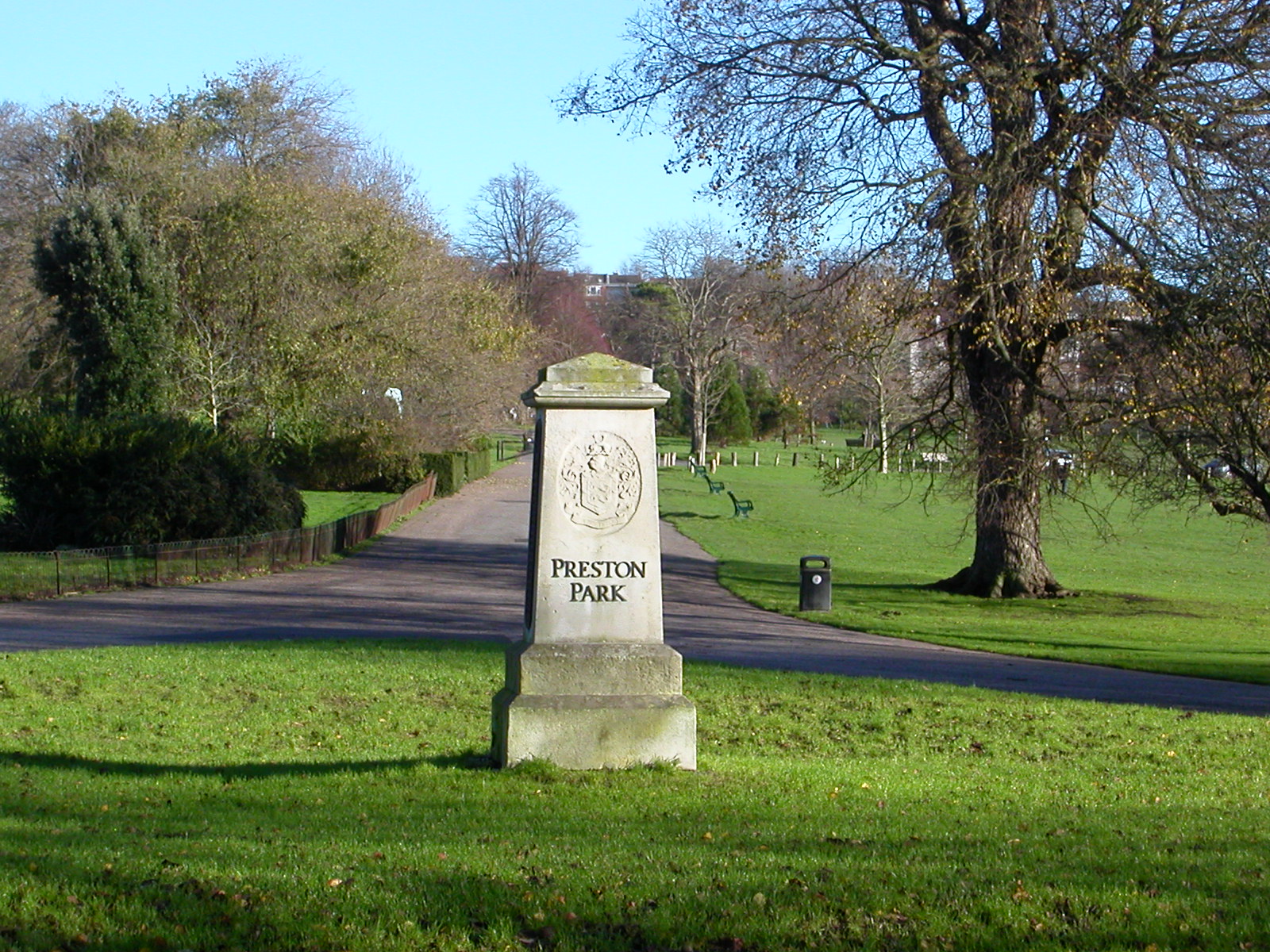
Preston Park is a municipal park in Brighton and Hove, on the northern edge of Brighton's city centre. It is described as the first and largest public park in the city, and it remains one of the most popular places for locals and visitors to spend a day outdoors. What is Preston Park? The park covers roughly 63 acres of open ground. Brighton Corporation acquired the land in the early 1880s, and the park opened to the public in that decade. Its layout is a classic Victorian one: wide lawns, formal flower borders, tree-lined paths and areas set aside for sport and play. What can you see and do there? The park offers a mix of gardens and sports facilities. Highlights include: Formal borders and rose gardens. The Rose Garden dates from 1929 and is a favourite spot for a slow walk in summer. Bowling greens and tennis courts. Both are in regular use, so the park feels lively rather than purely ornamental. A small pond. It adds a quiet, green corner to the open lawns. Wide lawns. They suit picnics, informal games, festivals and community events. Why is the velodrome famous? Preston Park is home to the Preston Park Velodrome, a cycling track built by hand by the British Army. The local cycling club calls it the oldest working velodrome in the world. The track has been repaired and upgraded, and racing returned there in 2016. Even if you are not a cyclist, watching an evening race meeting here is an unusual way to see Brighton. How do you get to Preston Park? The park sits beside the London Road area and shares its name with Preston Park railway station, which makes it easy to reach by train from central Brighton and from other towns along the line. Bus routes along London Road also stop close to the park. Walking from the city centre takes around twenty to thirty minutes, mostly uphill along the main road. Cyclists can ride in on the routes leading north from the seafront. Frequently asked questions Is Preston Park free to enter? Yes. It is a public municipal park and you can walk in at any time of day without a ticket. Some facilities, such as bowling greens and tennis courts, are run for their own users. Is Preston Park the same as Preston in Lancashire? No. Several places in England and the United States share the name. This park is in Brighton and Hove, on the south coast of England. Is it a good place for children? The wide lawns and open space make it a comfortable choice for families, and the gardens give children plenty to look at on a walk. When is the best time to visit? Late spring and summer show the borders and the Rose Garden at their best, and long days allow for picnics and an evening at the velodrome. Can I combine it with other Brighton sights? Yes. The park is a short journey from the seafront, the Lanes and the Royal Pavilion, so it fits easily into a day in the city. Preston Park is a good choice for anyone who wants green space and some history without leaving Brighton.
-
Friary Park
Londyn
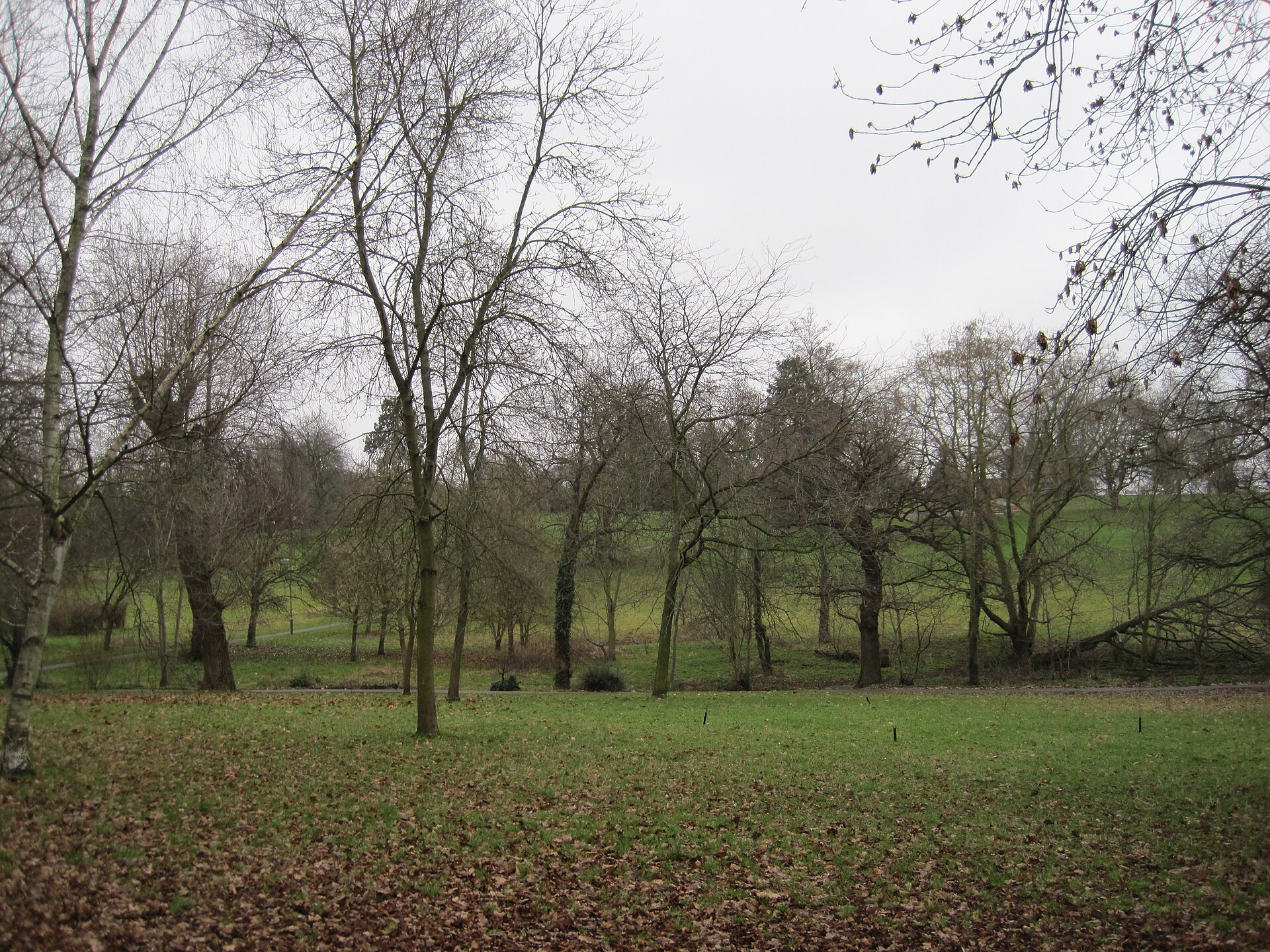
Friary Park is a nine-hectare formal Edwardian park in Friern Barnet, in the London Borough of Barnet in the north of the city. It is a calm green space with a cafe, a playground and plenty of room to stroll, well away from the usual tourist routes of central London. What is Friary Park? The park covers roughly 9 hectares (22 acres) and opened to the public in 1910. It was created on the grounds of Friary House. Its layout is formal in character: tidy paths, gardens around the former house and the kind of recreation facilities typical of an early twentieth-century municipal park. What is the history of the site? The land has a far longer past than the park itself. In the Middle Ages it belonged to the Knights Hospitaller, and from the sixteenth century it was home to Friern Barnet Manor House. The present house dates from around 1871, when it was built for Edmund William Richardson. Middlesex County Council later acquired the estate and laid it out as a public park, with the opening taking place in 1910. What can you do here? The park offers something for most ages: a children's playground and picnic areas, tennis courts and a football pitch, a bowling green and a pitch and putt course, a skatepark, a basketball hoop and an outdoor gym, a cafe in the former house, which also hosts local community groups, public toilets on site. Is there anything for nature lovers? Yes. Friary Park is classed as a Site of Local Importance for Nature Conservation. It has old oak trees, three redwoods and a small stream running through it. Next door is North Middlesex Golf Course, which contains the North Middlesex Golf Course Ponds nature reserve. The reserve is not open to the public, but the surrounding greenery gives the area a distinctly natural feel. Who is it for? Friary Park suits families with children, people who enjoy outdoor sport and visitors curious about everyday life in north London. It is not a must-see attraction, but a well-kept neighbourhood park with an interesting past. It pairs easily with a walk around Friern Barnet. Frequently asked questions Is entry free? Yes. It is a public park, open to everyone since 1910. Is there a cafe? Yes, in the former house. Opening hours can change, so check its current status before you go. Can I play tennis or bowls? The park has tennis courts, a bowling green and a pitch and putt course. Check Barnet Council's website for booking arrangements. Is it good for children? Yes. There is a playground, picnic areas, a stream and a skatepark for older kids. Can I visit the nature reserve by the golf course? No. North Middlesex Golf Course Ponds is closed to the public, but the park beside it is open. How do I get there? The park is in Friern Barnet, north London. Local public transport is the easiest option; search for the park's name in your navigation app.
-

Bedford Park, Bedford
Bedford
Bedford Park is a Victorian public park in the north of Bedford, Bedfordshire, England. It covers roughly 26 hectares and is the largest urban park in the town. It is Grade II listed on Historic England's Register of Parks and Gardens and is maintained by Bedford Borough Council. It suits a relaxed walk, a picnic or an active day outdoors. How did Bedford Park come about? The design was chosen through a competition held in 1882 at the Bedford Corn Exchange. Work began in the spring of 1883 and took about two years. The firm Barron & Son, which specialised in laying out gardens and public parks, carried out the scheme. The park opened in July 1888, with the Marquess of Tavistock performing the ceremony. Historic England describes it as a late Victorian public park, and it has been on the national heritage list since July 1995. What is there to see? The oldest and most distinctive feature of the layout is a lake of about one hectare in the south-east corner. A stroll around it is easy and relaxing, and the broad lawns invite you to linger. A metal railing and a yew hedge separate the park from the neighbouring cemetery, a small but telling detail of the historic design. At the heart of the park stands a restored pavilion that houses a café, a handy stop after a walk, especially on cooler days. Some sources also mention an original bandstand and cricket pavilion that remain in use. What facilities are available? Bedford Park is both a heritage site and a working recreation ground. According to the council, facilities include: football, cricket and rounders pitches, tennis courts, a basketball court, a bowling green, children's play areas, an outdoor gym, toilets (chargeable). The park has also earned a Green Flag Award, given to well-managed green spaces that welcome visitors. Frequently asked questions Is there an entrance fee for Bedford Park? No. The park is public and open to residents and visitors alike. Only the toilets are chargeable, according to the council. Is it a good place to visit with children? Yes. There are play areas, plenty of open space and a lake to look at. The café in the pavilion makes a longer visit easier. Who looks after the park? Bedford Borough Council owns and maintains it. How long should I plan for a visit? A relaxed walk around the lake plus a coffee at the pavilion usually takes one to two hours. If you plan to play sport or have a picnic, allow longer. What sets it apart from other parks in Bedford? It is the largest urban park in the town and keeps a clearly recognisable Victorian layout, confirmed by its Historic England listing. Who is it for? History lovers interested in park design, families, runners and anyone wanting a green break while exploring Bedford. It pairs well with a day in the town centre and along the river.
-

Sunny Hill Park
Londyn
Sunny Hill Park is a large, hilly park in Hendon, in the London Borough of Barnet, in north-west London. Covering around 22 hectares of mostly open grass, it offers wide views to the north and west from its higher ground. It is a good spot for a walk, a picnic or a break away from the busier parts of the capital. What is Sunny Hill Park like? The park's character comes from its landscape. Rather than a flat, manicured lawn, you get gentle but noticeable slopes with panoramic views across the surrounding area. Most of the space is grassed, ideal for strolling and outdoor play. Older features of the landscape survive too, including hedgerows that mark former field boundaries and mature trees. How did the park come about? The land was once known as Sunnyhill Fields and belonged to the neighbouring Church Farmhouse, which housed the Church Farmhouse Museum until 2011. In 1921 Hendon Council bought about 16 acres for a park, which opened in 1922. More land was added in 1929, enlarging it. In the 1930s it was a popular place to watch air displays at nearby Hendon Aerodrome, which later became an RAF base and is now home to the RAF Museum. What can you do here? The park has a cafe and a children's playground. For active visitors there are tennis courts, basketball courts and football pitches. Towards the southern end the more urban parkland gives way to wildflower meadow. The park is open to the public without restriction. Nature and heritage Together with the neighbouring Hendon Churchyard, Sunny Hill Park is designated a Site of Local Importance for Nature Conservation. Its south-east corner was once part of the churchyard of St Mary's, an important archaeological site with evidence of Roman and Anglo-Saxon occupation. Frequently asked questions Where is Sunny Hill Park? In Hendon, in the London Borough of Barnet, in north-west London. It is a short bus ride from Hendon Central tube station. How big is the park? About 22 hectares. Is there a cafe and a playground? Yes. The park has a cafe, a playground, tennis and basketball courts and football pitches. Is there an entry fee? No. The park is open to the public without restriction. When did the park open? It opened in 1922 and was enlarged in 1929. Is it good for wildlife? Yes. There is a wildflower meadow at the southern end, and the park and the neighbouring churchyard are protected as a local nature conservation site.
-
Avenue House Grounds
Londyn
Avenue House Grounds, now known as Stephens House & Gardens, is a Victorian park in Finchley, in the London Borough of Barnet. It covers roughly ten acres on East End Road in Church End and is classed as a Site of Local Importance for Nature Conservation. It is a quiet green pocket of north London, far from the crowds of the central sights. How did the garden come about? The villa, Avenue House, is Grade II listed and dates from 1859. It stands on land once known as Temple Croft Fields. In 1874 Henry Charles Stephens, nicknamed "Inky" Stephens, bought the property, extended the house and added a laboratory among other things. He hired the landscape gardener Robert Marnock to lay out the grounds, and in 1878 he took advice from William Robinson, editor of "The Garden", who recommended Marnock. When Stephens died in 1918 he left the house and grounds to Finchley Urban District Council on condition that they stayed open to the public. The house was first requisitioned as a hospital, and a long legal dispute followed between the council, the executors and local residents. The gardens opened as Avenue House Grounds on 3 May 1928. What is there to see? The layout includes lawns, ponds, mounds with rockwork, a network of informal paths and steps, a paddock and a kitchen garden called The Bothy. Today there is an ornamental pond with a fountain and a children's playground, which makes the park a good choice for a family stroll. Look out for the veteran black mulberry on the slope above the rockery and pond, which records date to around 1878. The grounds were also known for a fine collection of trees. A curiosity is The Bothy, built in the late 1870s in the shape of a small castle. It is described as one of the earliest non-Roman concrete structures in England. An ink museum The visitor centre houses the Stephens Collection, a small museum about ink and writing implements. It recalls the family fortune built on ink, hence the "Inky" nickname. Frequently asked questions Is entry to the park paid? The grounds were left to the public on condition that they stay open, and walking in the park is traditionally free for everyone. Check opening hours and any event charges before you visit. Is it suitable for children? Yes. There is a playground, and the ponds, fountain and winding paths suit a family walk. How long should I allow? One to two hours is usually enough for a relaxed walk and the main points of interest. Why did the name change? The estate now trades as Stephens House & Gardens, recalling the family that shaped it. The older name, Avenue House Grounds, still appears in many sources. Who is it for? We recommend it to garden-history fans, admirers of Victorian architecture, families with children and anyone seeking calm in London. The grounds are smaller than the original estate, but they still show what a private landscape garden of the later 19th century looked like.
-

St Pancras Gardens
Londyn
St Pancras Gardens is a public garden in the London Borough of Camden, a short walk from St Pancras and King's Cross stations. Covering roughly two hectares, it was created from a former churchyard. Today it is a quiet green space where history, literature and architecture sit side by side. What are St Pancras Gardens? The site combines the old churchyard of St Pancras Old Church with the neighbouring burial ground of St Giles-in-the-Fields. After the Burial Acts of the mid-nineteenth century ended interments, the land was gradually laid out as a public garden. Headstones, paths and mature trees remain, so the place keeps a strongly historic feel. What is worth seeing? The Soane family tomb The best-known monument is a Portland stone tomb designed by the architect Sir John Soane after his wife died in 1815. It was erected in 1816. Its distinctive dome is often linked to Giles Gilbert Scott's design for the red K2 telephone box, although that connection is described as a claim rather than established fact. The tomb was restored in the late 1990s and again in the early 2000s, as part of the restoration of the gardens. The Hardy Tree When a railway was built nearby, gravestones had to be moved. Around the roots of an ash tree, known as the Hardy Tree, old headstones are stacked in a circle. The name refers to Thomas Hardy, later a novelist and poet, who as a young man is said to have supervised the clearing of graves. Sources differ on the dates, and the tree itself has suffered from disease. Notable burials Johann Christian Bach, the youngest son of Johann Sebastian, was buried here after his death in 1782. William Godwin and his two wives are also interred here, including Mary Wollstonecraft, author of a pioneering work on women's rights. A popular story says Percy Shelley declared his feelings here to Godwin's daughter, Mary. Fountain and sundial A memorial fountain and sundial from 1877, given by the Burdett-Coutts family, is one of the Victorian features of the gardens. Planning a visit The gardens are a few minutes on foot from St Pancras International and King's Cross, so they fit easily into a walk around this part of London. Entry is free. A visit usually takes thirty minutes to an hour, depending on how long you linger by the tombs and plaques. Next door stands St Pancras Old Church, one of the oldest Christian sites in the area. Frequently asked questions Is admission free? Yes, the gardens are public and free to enter. What is the main attraction? The Soane tomb, the ring of gravestones around the Hardy Tree, and the graves of Bach, Godwin and Wollstonecraft. Is it still a working cemetery? No, burials ended in the nineteenth century and the site now serves as a garden. How long does a visit take? Usually 30 to 60 minutes. Is it convenient for the stations? Yes, it sits right beside St Pancras and King's Cross, making it a good short stop between trains.
-
Greyfriars Bobby Fountain
Edynburg
The Greyfriars Bobby Fountain in Edinburgh is a granite drinking fountain crowned with a bronze terrier, standing where George IV Bridge meets Candlemaker Row, opposite the gate of Greyfriars Kirkyard. It is one of the Old Town's most photographed small monuments and a Category A listed structure. What is this monument? The fountain was paid for by Baroness Burdett-Coutts, then connected with the RSPCA's ladies committee, and the dog was modelled from life by sculptor William Brodie. It went up in the early 1870s, soon after Bobby died in January 1872. Sources disagree on whether it was unveiled in 1872 or 1873, so "early 1870s" is the safe description. A plaque on the base honours the dog's loyalty to his master, John Gray. Historic Environment Scotland listed it in 1977. Who was Bobby? The popular story says a terrier guarded John Gray's grave for 14 years after Gray's death in 1858, until the dog died himself. Details are debated, even the breed: he is described both as a Skye terrier and as a Dandie Dinmont. The statue commemorates a local legend rather than proving every part of it. How do you get there, and how long do you need? The fountain is a few minutes' walk from the Royal Mile and the Grassmarket. There is no ticket and no queue, and a photo stop takes five minutes. Pair it with nearby sights: Greyfriars Kirkyard across the road, where Bobby is buried close to the entrance and visitors leave flowers and sticks, Greyfriars Kirk, which has a small exhibition, the Museum of Edinburgh, which holds Bobby's collar and bowl. When should you go? Early morning is quietest, as tour groups gather here during the day. The monument stands in the street, so you can see it at any hour. Should you rub the nose? Visitors rub the nose for luck, which has polished the bronze bright. Local authorities and caretakers have asked people to be gentle after costly repairs, so a photo is the better choice. Frequently asked questions Is there an entrance fee? No. It is a public street monument. Where is Bobby's grave? In Greyfriars Kirkyard, across the street, near the gate and not far from John Gray's grave. Who made the statue? William Brodie sculpted it, and Baroness Burdett-Coutts funded it. Is Bobby's story fully documented? Not in every detail. The monument and grave are real, but parts of the tale, including the dog's breed, remain disputed.
-
Armley Park fountain
Leeds
Armley Park fountain in Leeds is a Victorian-era monument standing in a public park in the west of the city. It holds Grade II status on the National Heritage List for England and is sometimes called the Jubilee Fountain. The park itself is also known as Gott's Park. What is the Armley Park fountain? The fountain dates from 1897 and is built of ashlar and carved stone. It was paid for by William Henry Gott of Armley House, who wanted to mark the sixtieth year of Queen Victoria's reign, as a plaque on the structure records. It was added to the heritage list on 11 September 1996. What will you see? The fountain sits in an octagonal pool enclosed by a stone retaining wall. At the centre, an octagonal fountain rises on fluted pilasters and a reeded stem, topped by a bowl whose rim is decorated with lions' heads. It is a good example of jubilee-year park ornament. Roughly 40 metres to the east and west of the fountain are two glazed terracotta plaques set into artificial stone mounds. Each is separately listed at Grade II. According to the listing text, they probably came from the Burmantofts works in Leeds and were installed around the time the park opened, about 1897. What is the surrounding park like? The park takes its name from the industrialist Benjamin Gott, whose former home, Gotts Park Mansion, stands nearby. The house was built in 1781, reworked in the 1810s and today serves as the clubhouse of a golf club. Leeds City Council lists a playground, a skate park, bowling greens, football pitches, tennis courts and wildflower meadow areas. The stone gate pillars at the entrance are also Grade II listed. Is it free, and when should you go? Armley Park is a council-run public park, so you can see the fountain on a walk through the grounds without a ticket. Choose a dry day, since the monument stands in open space with plenty of room to sit and linger. A volunteer group, the Friends of Armley and Gotts Park, helps look after the grounds and meets twice a month for gardening and conservation tasks. Frequently asked questions When was the fountain built? In 1897, funded by William Henry Gott to commemorate Queen Victoria's sixty years on the throne. Is the fountain a protected monument? Yes. It has been Grade II listed since 1996, as have the two nearby terracotta plaques and the stone entrance pillars. Do I need to pay to visit? No. The fountain is in a public park open to all visitors. What else is there to do in the park? You can walk the grounds, use the playground, skate park, pitches and courts, and look at the wildflower meadows.
-
Leonard Montefiore Drinking Fountain
Londyn
Leonard Montefiore Drinking Fountain is a Victorian memorial fountain on Stepney Green in Stepney, East London. A red marble monument topped with an obelisk, it commemorates a young Jewish philanthropist and works again as a public water refill point. Who was Leonard Montefiore? Leonard Montefiore was a relative of the better-known philanthropist Sir Moses Montefiore. He died at 26 in 1879, and the fountain went up in 1884, five years after his death. Local heritage writers describe it as his only memorial. East London had a large Jewish community at the time, and the Montefiore family's charitable work was well known there, so the fountain also marks a chapter in the neighbourhood's story. What does it look like and where is it? The fountain is built of red marble, with an obelisk on top and taps decorated with water lilies. It stands on Stepney Green close to the Stepney Clock Tower, in a green square surrounded by housing. The structure is Grade II listed. Why was it moved? It was first unveiled at Rutland Street School. In 1939 it was relocated to Stepney Green, where it stands today. It later fell into disrepair and was at risk of being lost, until the Heritage of London Trust restored it. The same charity looks after other historic fountains in London, including one in Altab Ali Park, Whitechapel. Today you can top up a water bottle here. How do you get there? Stepney Green is in East London, near Whitechapel and Mile End. The easiest route is the Tube to Stepney Green (District and Hammersmith & City lines) or Whitechapel, followed by a short walk. The fountain is freestanding and reachable at any hour, with no tickets or opening times. What else is nearby? Stepney Clock Tower, a few steps away. Altab Ali Park in Whitechapel, with another restored historic fountain. The streets of the former Jewish East End around Whitechapel and Spitalfields. When should you visit? Daytime in the warmer months suits best, when the square is green and a drink from the fountain is welcome on a walk. A stop takes about fifteen minutes and fits well into a longer East End route. Frequently asked questions Does the fountain work? Yes. After its restoration it serves as a drinking water refill point. Is there an admission fee? No. It stands in a public green space and is free to visit. Has it always been on Stepney Green? No. It was unveiled in 1884 at Rutland Street School and moved to its present site in 1939. How long should I allow? About 15 minutes, or up to an hour combined with a walk around the area.
Earn badges for the places you visit
Download NextOnTrip, discover new places and check off your trails.