About this place
Zmrzlík is a small but geologically remarkable nature reserve within the city limits of Prague, tucked away on the southwestern slopes of a hill at the western edge of the Zmrzlík settlement, northwest of Zadní Kopanina. Covering 16.35 hectares, the area has been protected since 1988 as a surviving remnant of a traditional agricultural landscape, where pastures, wooded ravines and wetland patches combine into a mosaic of habitats rarely found elsewhere in the city.
Why was this site protected?
The main reason behind the reserve's designation is a significant geological profile exposing Silurian deposits with numerous fossil sites typical of the region. Zmrzlík, together with the nearby Jirásek quarry in Zadní Kopanina and the Draská ravine, ranks among the classic paleontological localities known since the time of Joachim Barrande — the French-Czech geologist whose 19th-century research on Bohemian Silurian and Devonian fossils was foundational to the field. The rocks here contain fossils of brachiopods, bivalves, gastropods, cephalopods and trilobites — creatures that once inhabited the ancient sea covering what is now central Bohemia hundreds of millions of years ago.
What can visitors see on site?
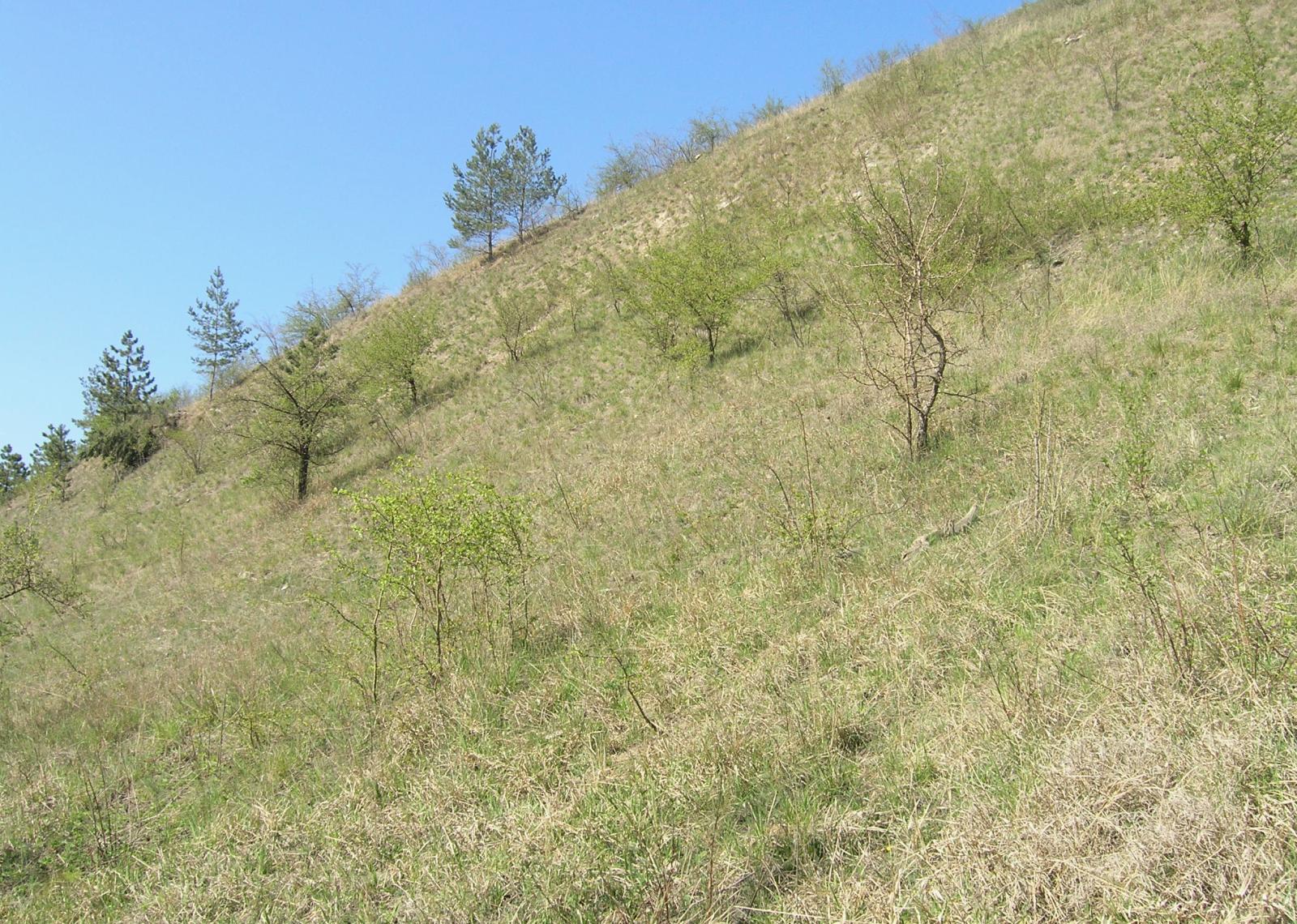
Beyond its scientific value, Zmrzlík is also notable for its natural beauty. On the steep slopes, particularly near the Zmrzlík settlement itself, well-preserved dry grassland communities stretch across the terrain — narrow-leaved dry meadows dominated by fescue grasses, mainly Festuca rupicola. Habitats like these have become increasingly rare, since they depend on specific conditions: poor, permeable soil, ample sunlight, and an absence of intensive farming. In the more humid valley sections of the reserve, wooded patches and damp corners add further variety to the habitat mosaic.
The reserve borders the valley of the Radotín Brook, one of the richer paleontological localities within the Daleje Shale formation — in the area around Radotín, Lochkov and Kosoř, geologists and fossil enthusiasts have long uncovered trilobites, brachiopods, tentaculites and graptolites, making this broader region one of the most important places in the Czech Republic for tracing its geological history.
Frequently asked questions
Is Zmrzlík open to visitors? Yes. From a nature and landscape protection standpoint, the reserve is freely accessible to hikers. Cyclists are advised to stay on designated paths to avoid damaging the sensitive dry grasslands.
What is the main attraction of this site? The combination of two distinct values: a unique geological exposure with Silurian fossils hundreds of millions of years old, and well-preserved dry grasslands supporting rare plant communities.
Is it worth combining with other nearby sites? Yes — Zmrzlík borders the Radotín Brook valley and lies close to areas of the Bohemian Karst, making it possible to plan a longer hiking route linking several natural and geological sites in one outing.
When is the best time to visit the reserve? Late spring and summer are ideal, when the dry grasslands are in bloom and the trails are dry and easy to access on foot.
Nearby places

Earn badges for the places you visit
Download NextOnTrip, discover new places and check off your trails.