About this place
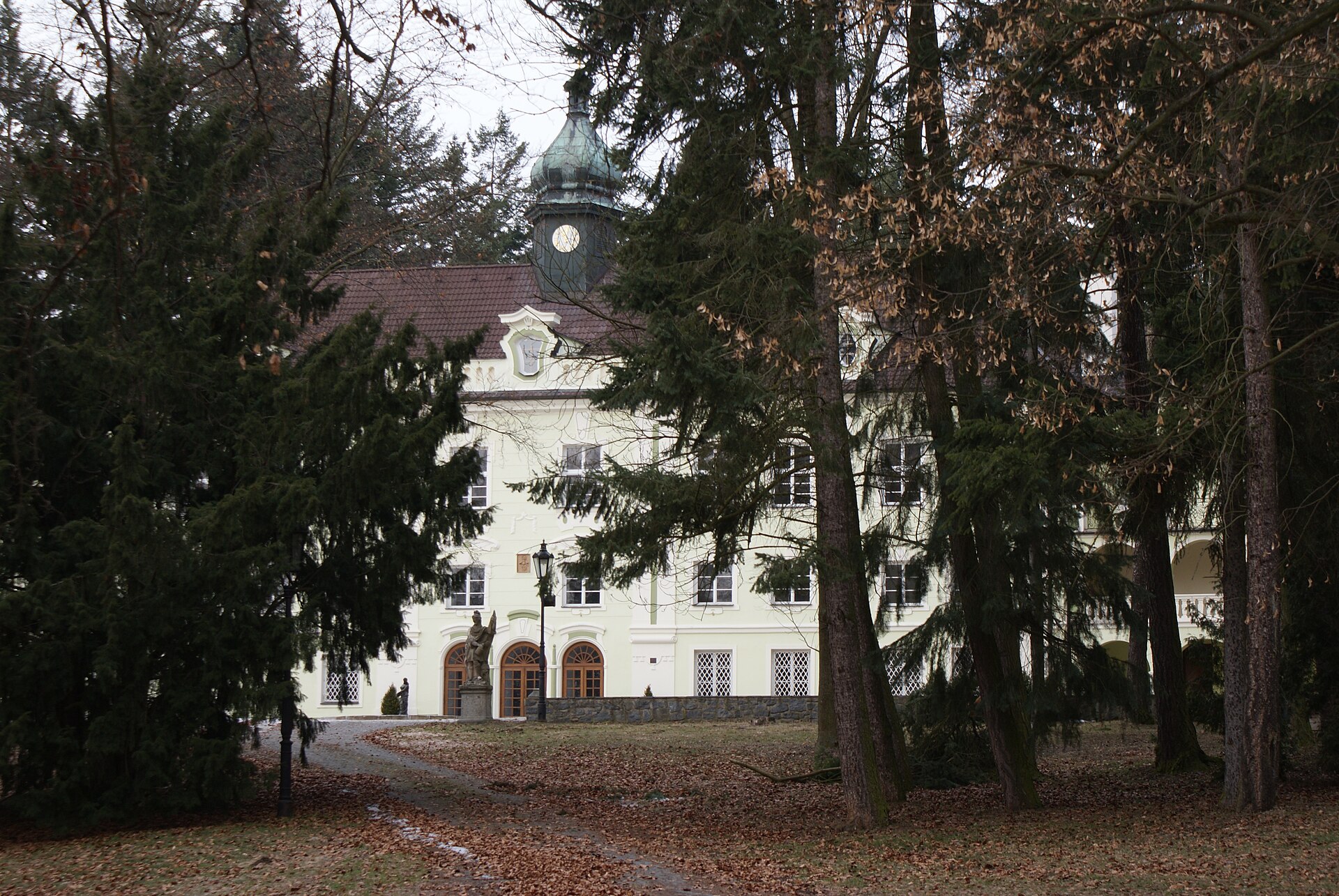
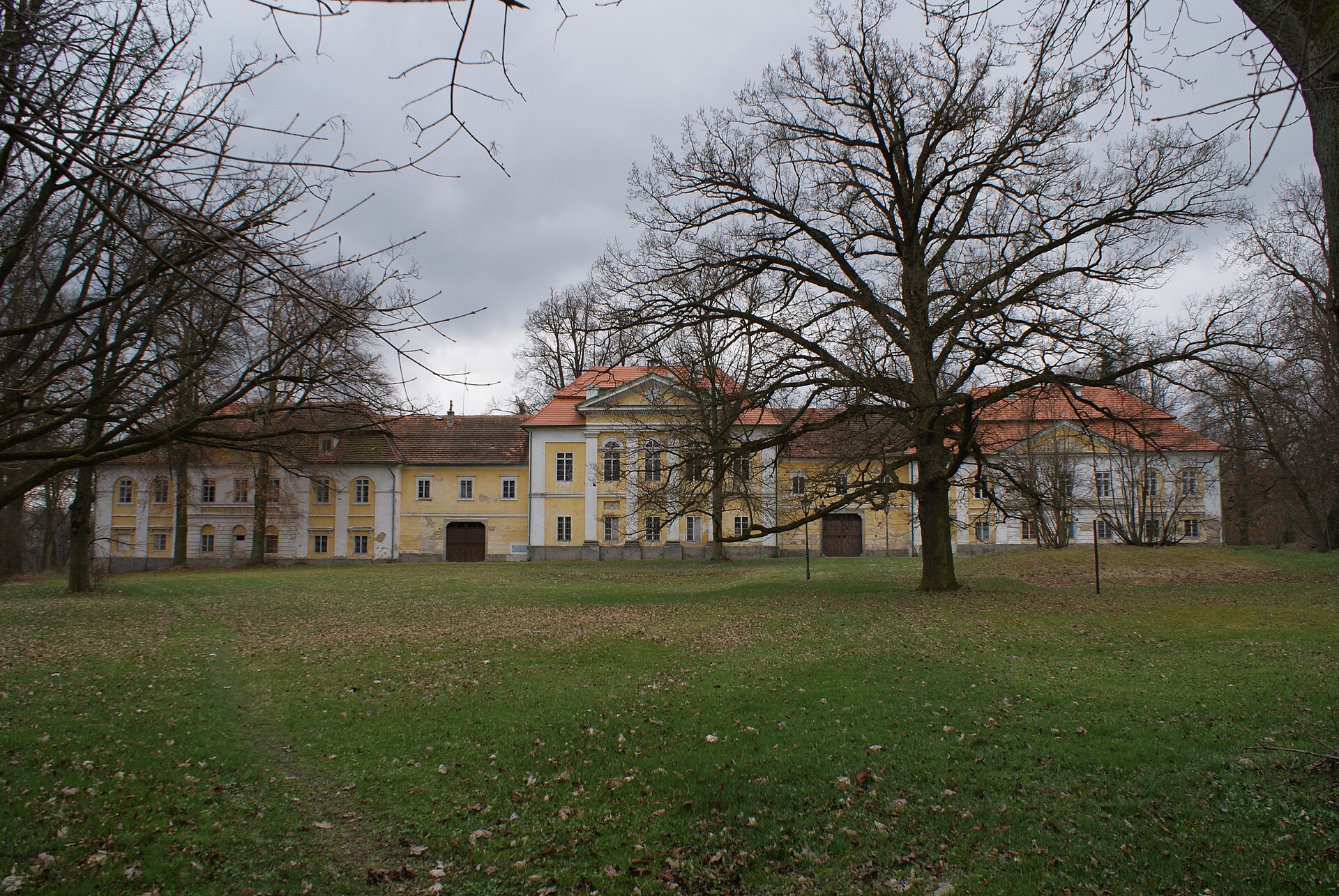
Zámek Horosedly is a modest, single-storey Baroque manor house standing at the southwestern corner of a former farmyard in the village of Horosedly, in South Bohemia between the towns of Písek and Strakonice. The building itself is closed to visitors, but its layered history traces a common Bohemian story: a Renaissance stronghold gradually turned into a landowning family's working residence.
How old is the village of Horosedly?
Horosedly is one of the older settlements in the region. Written records mention it as far back as 1234, when it belonged to the Bishop of Prague, Jan II, who had acquired it from Milevsko Monastery. The fortified house that would later become today's castle was built much later.
When was the original stronghold built?
The Renaissance fortress, or tvrz, was raised in 1584 by Kryštof Loubský z Lub. Like many rural strongholds of its time, it combined a defensive role with the everyday function of a manor house and an administrative center for the surrounding farmland. Over the following century its military purpose faded, and it increasingly served purely residential and agricultural needs.
How did the stronghold become a Baroque castle?
The turning point came in 1713, when the estate's owner at the time, Jan Josef Běšín, had the old fortress rebuilt into a modest single-storey Baroque castle. The result was a plain, flat-ceilinged, ground-floor building that still forms the southwestern corner of the farmyard complex today. A few years earlier, in 1711, another owner, Jan František z Talmberka, had a chapel dedicated to St. John of Nepomuk built nearby — a detail pointing to the religious life that shaped the estate at the time.
Who owned the estate next?
In 1802 the Horosedly estate passed to the Orlík branch of the Schwarzenberg family, one of the most powerful aristocratic houses in Bohemia, with extensive holdings across the south of the country. The Schwarzenbergs held the property throughout the 19th century, right up until the land reform of the interwar period.
What happened to the castle after the land reform?
During Czechoslovakia's land reform in 1924, the Schwarzenberg estate in Horosedly was taken over by František Mašek. After 1989, as part of post-communist restitution, the castle building itself was returned to the Schwarzenberg family — specifically to Jan Schwarzenberg, son of Karel Schwarzenberg. The farmyard, however, remained in the hands of Mašek's descendants. That split ownership — the castle and the farmyard belonging to two different families — still stands today.
What does the castle look like today?
Zámek Horosedly is a plain, single-storey Baroque building with no grand facade — its interest lies more in its layered history and setting than in architectural splendor. A metal Schwarzenberg coat of arms remains mounted on the facade, a reminder of the family that once owned the whole estate. Inside, flat ceilings are typical of 18th-century working manor houses of this kind. The building remains privately owned and is used mainly for agricultural purposes; it is not open to the public.
Frequently asked questions
Can you visit the castle in Horosedly? No. The building is privately owned and used for agricultural purposes, so it is not open to tourists.
Who built the original stronghold in Horosedly? The Renaissance fortress was built in 1584 by Kryštof Loubský z Lub.
When was the stronghold rebuilt into a Baroque castle? In 1713, under the ownership of Jan Josef Běšín.
Who owns the castle today? The castle building belongs to Jan Schwarzenberg, son of Karel Schwarzenberg, while the adjoining farmyard is owned by descendants of the Mašek family.
Where exactly is Horosedly located? In the village of Horosedly, in the Písek district of South Bohemia, between the towns of Písek and Strakonice.
Nearby places

Earn badges for the places you visit
Download NextOnTrip, discover new places and check off your trails.