About this place
Draheničky is a tiny village in the Mišovice municipality, Písek District, South Bohemian Region, best known for the small Renaissance fortress standing at its eastern edge. The hamlet sits in gently rolling farmland between the towns of Písek and Rožmitál pod Třemšínem, within the cadastral area of Svučice.
Where does Draheničky come from?
The village is first recorded in 1323, when King John of Luxembourg granted the estate to Peter I of Rožmberk. Before that, the land had belonged to the extensive holdings of the royal castle of Zvíkov, giving Draheničky roots that stretch back to the earliest chapters of Bohemian feudal history. Older sources sometimes referred to it as "little Draheničky" to set it apart from the larger, similarly named Drahenice - two separate places in South Bohemia that are easy to confuse but have no direct connection.
What is the local fortress like?
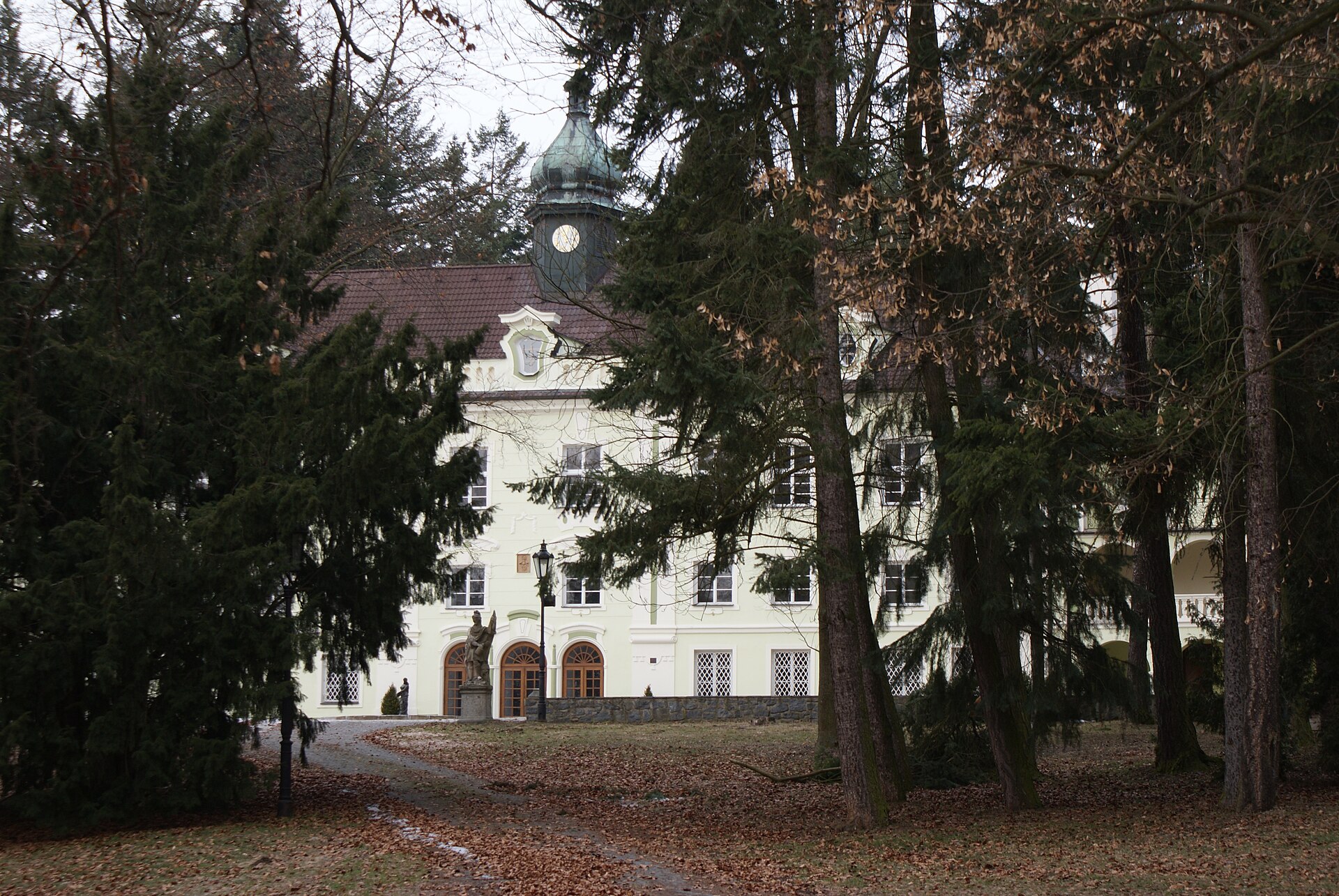
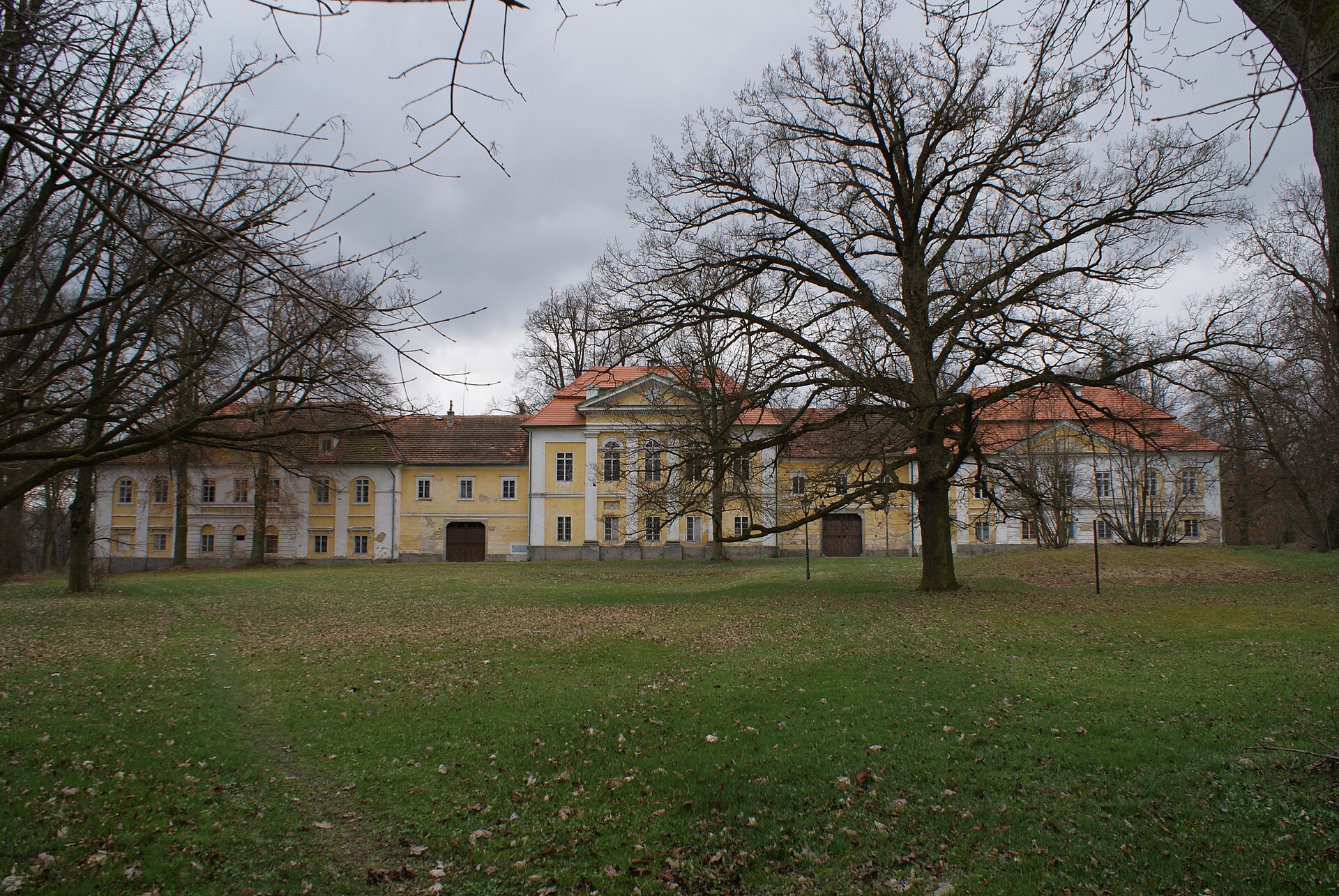
The village's main landmark is a modest two-storey Renaissance fortress, built of quarried stone, most likely around the mid-16th century. It stands in the corner of a roughly square complex about 70 metres on each side, gradually completed with lower farm buildings that now enclose a courtyard. Vaulted ceilings survive in the residential wing and part of the farm section, and the western corner still preserves older structural elements along with fragments of original painted decoration.
Ownership changed hands repeatedly over the centuries. In 1577, Christopher I of Švamberk sold the whole estate to Voršila Vrábská of Bukova. A date of 1717 carved into one of the barns points to Baroque-era farm alterations, and the mid-19th century saw the addition of a northern wing that finally closed the courtyard into the square shape seen today. The building has been listed as a protected cultural monument since 1963. Over time it shifted from a noble residence into a working farm, and it remains privately owned today, used for horse breeding and closed to visitors. As of 2018 it was reported in satisfactory condition, following partial repairs to the roofs, windows, doors and the north-western facade.
What else happened in Draheničky?
The village has a darker footnote in regional history: in 1623 it was the scene of the killing of Jan Jiří Gryspek of Gryspach, murdered by Jan Karel Příchovický. Administratively, Draheničky has changed hands several times too, having belonged at various points to Výšice, Svučice and Mirovice before rejoining Mišovice in 1990.
What is the village like today?
Draheničky remains one of the smallest settlements in the area - just 15 residents and 13 houses as of 2021, a sharp drop from the more than one hundred inhabitants recorded around 1900. The village still has a small brick bell tower and a stone cross bearing an inscription dated 1850. It suits travellers drawn to quiet countryside and old architecture rather than anyone expecting a built-up tourist site.
Frequently asked questions
Can the fortress in Draheničky be visited? No - it is privately owned and currently used for horse breeding, so the interior is closed to the public. Visitors can only view the building from outside.
How is Draheničky different from Drahenice? They are two separate South Bohemian villages with similar-sounding names - Draheničky is a small hamlet in the Mišovice municipality with a historic fortress, while Drahenice is its own separate municipality in the Příbram District.
How old is the history of Draheničky? The first written mention dates to 1323, while the surviving fortress was most likely built around the mid-16th century, on land that had earlier belonged to the royal castle of Zvíkov.
How many people live in Draheničky today? According to 2021 data, only 15 people live in the village across 13 houses, making it one of the smallest settlements in the region.
Nearby places

Earn badges for the places you visit
Download NextOnTrip, discover new places and check off your trails.