About this place
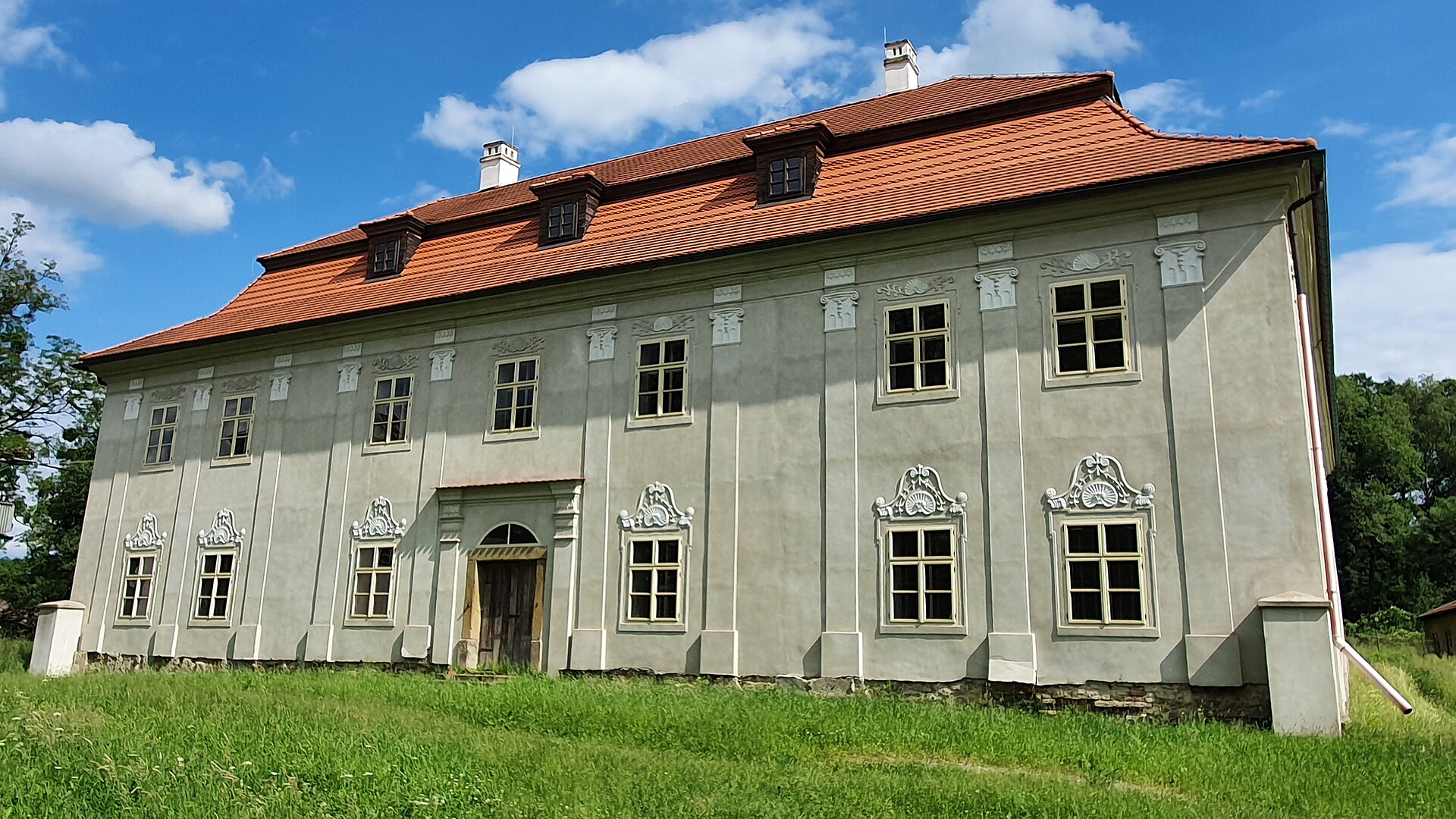
Gnojnik Castle stands in the village of Gnojnik (Hnojník) on the Stonávka River, in the Frýdek-Místek district of Czech Silesia. The building sits empty today while restoration work continues, but its story stretches back to the Middle Ages, moving through a Gothic manor, a Baroque residence, a Neoclassical rebuild, and a Communist-era farm headquarters before landing in its current, still-unfinished state.
How old is this place, really?
Written records mention Gnojnik as early as 1445, tied to a certain Stašek of Gnojnik, owner of a knightly seat on the site. By the 16th century the estate belonged to Václav Pelhřim of Třanovice, who became governor of the Duchy of Cieszyn in 1565. The building most visitors picture today, though, dates to the 18th century: in 1736 the estate was bought by Karel Václav Beess of Chrostina, who rebuilt the older manor into a Baroque residence between 1736 and 1753. That renovation set the core shape the castle still carries.
Why does the facade look part Baroque, part Neoclassical?
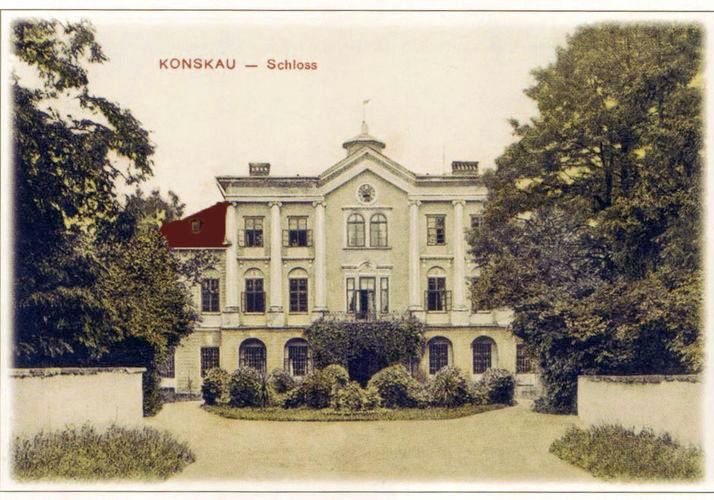
In the first half of the 19th century the palace was reworked again, this time in the Neoclassical style known regionally as Silesian Empire, following a design by Viennese architect Josef Kornhäusel. A second floor was added at the end of the 19th century, giving the building the layered profile seen in photographs today — Baroque bones under a Neoclassical skin, topped off decades later. Surrounding it is a park laid out in the mid-18th century, still holding Baroque statuary, including a figure of St. John of Nepomuk, traditionally invoked against flooding — a fitting choice given the castle's position right on the Stonávka.
What happened to the castle after World War II?
The Beess family's ownership ended in November 1945, when the estate was confiscated. In 1966 the property passed to the Gnojnik State Farm, which used it as its headquarters — a fate shared by many aristocratic residences across Czechoslovakia under socialist rule. The castle was listed as a protected cultural monument in 1964, which shielded it from demolition but not from decades of neglect; it currently appears on the register of endangered heritage sites. In 2019 the Beess Foundation bought the palace back and has been carrying out restoration work since, aiming to bring it back from disrepair.
Is it worth visiting?
Gnojnik sits in Zaolzie, the borderland region on the Czech side where a sizeable Polish minority still lives — reason enough on its own for visitors curious about the layered history of Cieszyn Silesia. The castle works best as one stop on a route through the region's other manor houses and heritage sites in the Beskids foothills; even mid-restoration, the palace and its park give a clear sense of the scale of Baroque-Neoclassical residential architecture built by the area's landed gentry. Because renovation is ongoing, it's worth checking locally or with the Gnojnik municipality on current access before planning a visit focused on the interior.
Frequently asked questions
Can you visit the inside of Gnojnik Castle? The building has been under restoration by the Beess Foundation since 2019, so interior access can be limited — check current status with local sources before visiting.
How old is Gnojnik Castle? A residence has stood on the site since at least the 15th century, but the building's present Baroque form dates to 1736–1753, when Karel Václav Beess of Chrostina rebuilt the earlier manor.
What architectural style is the castle? It combines 18th-century Baroque construction with a Neoclassical remodeling from the first half of the 19th century, designed by Viennese architect Josef Kornhäusel.
What is in the castle park? The mid-18th-century park still contains Baroque sculptures, including a statue of St. John of Nepomuk, traditionally placed near water as protection against flooding — a natural fit given the castle's riverside location.
Nearby places

Earn badges for the places you visit
Download NextOnTrip, discover new places and check off your trails.