About this place
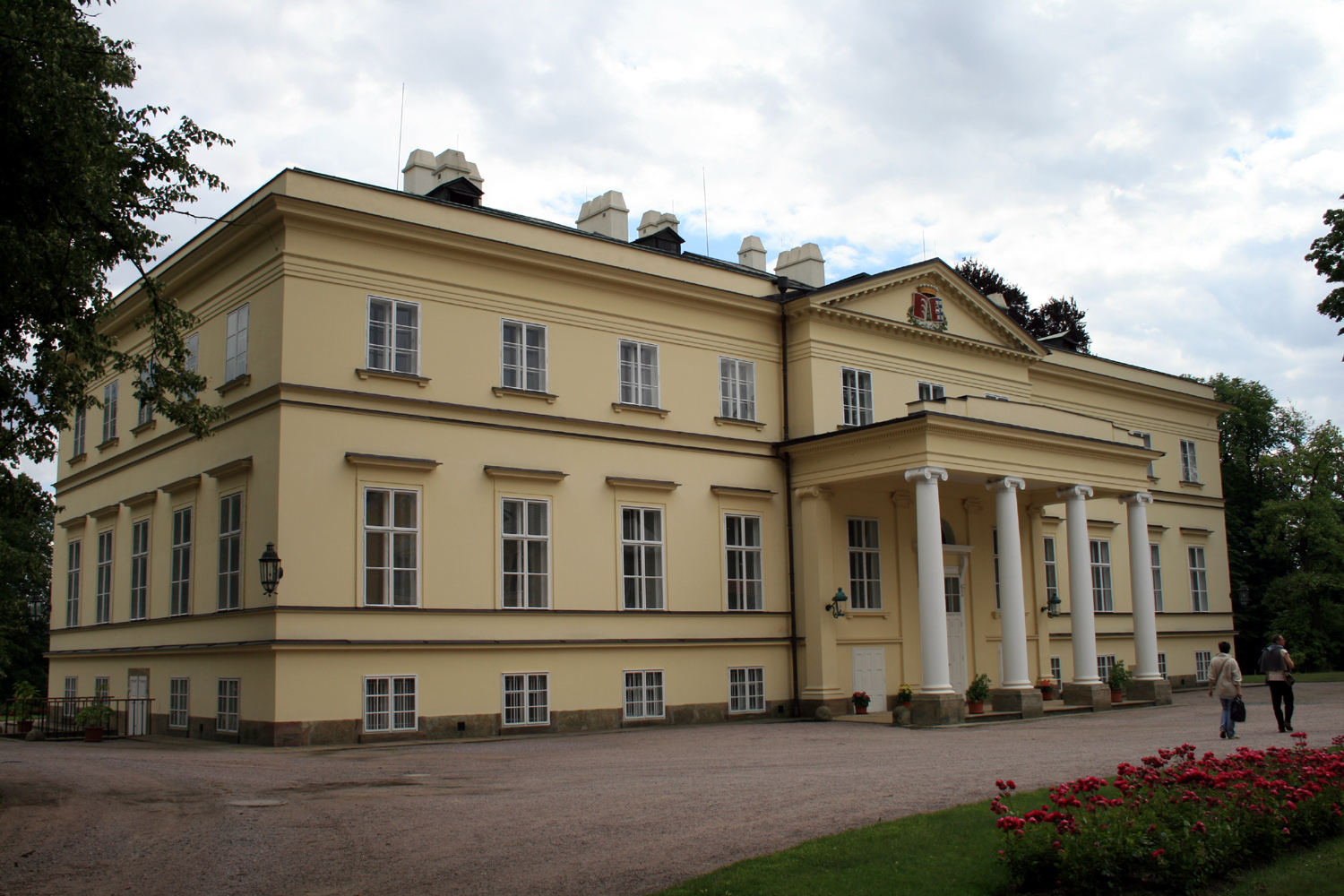
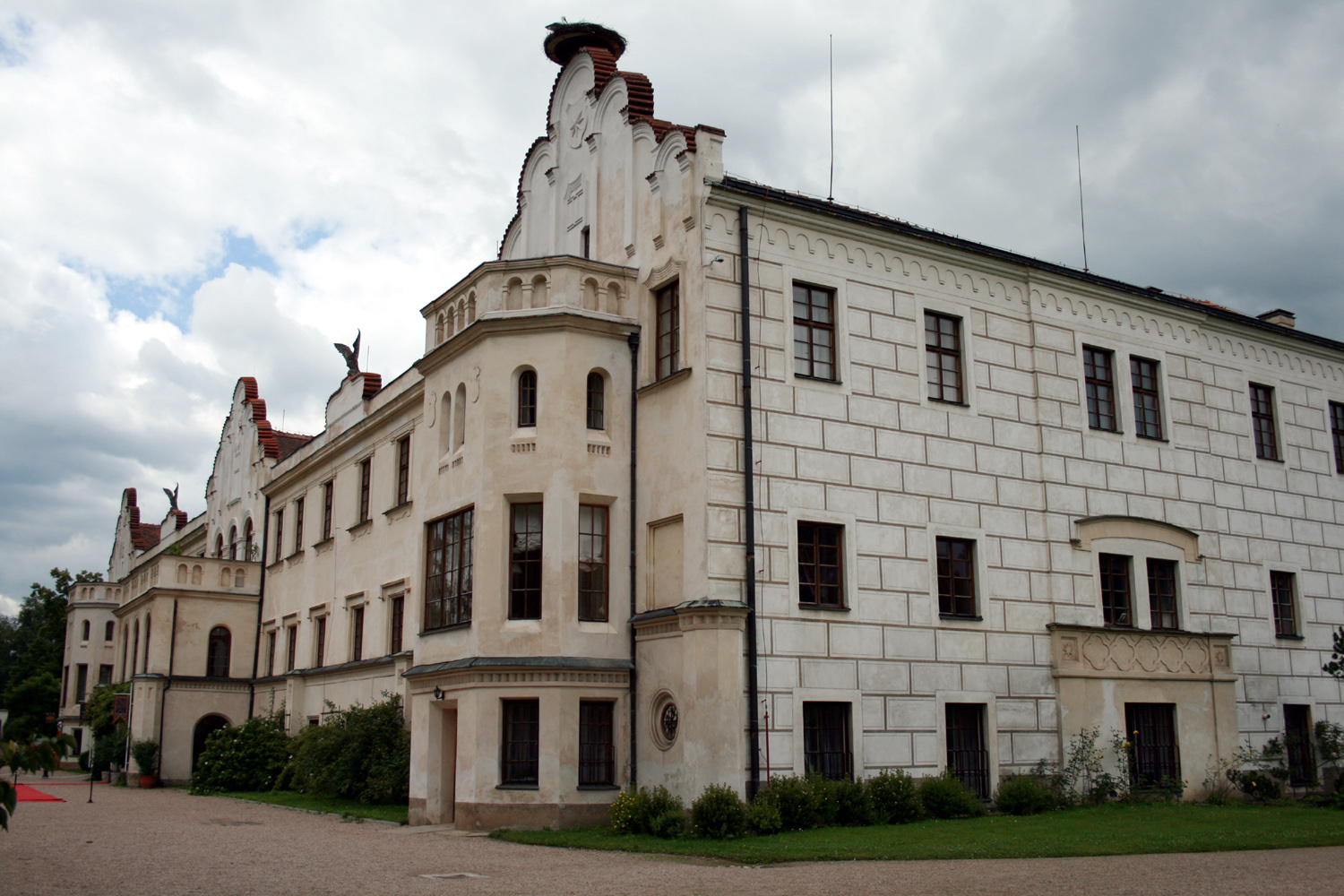
Doudleby nad Orlicí Chateau is a Renaissance-and-Baroque mansion in the village of Doudleby nad Orlicí, in the Rychnov nad Kněžnou District of the Hradec Králové Region in eastern Czechia. Compact and four-winged, it is not a large building, yet it counts among the most distinctive chateaux of the Podorlicko region thanks to a facade decoration rarely matched elsewhere in the country.
How did the chateau in Doudleby nad Orlicí come about?
The current structure was built between 1585 and 1590 as a hunting seat commissioned by Mikuláš the Elder of Bubna. It rose on the site of an older Gothic stronghold known as the Stone Fortress, of which almost nothing survived once the Renaissance builders took over the ground. From that point on, the Bubna of Litice family stayed connected to the estate for generations, and it was successive family members who shaped the chateau into what visitors see today.
What makes the facades so distinctive?
The chateau's signature feature is its so-called carpet sgraffito — a dense, geometric pattern that covers not only the outer walls but also the courtyard walls and even the chimneys. Decoration on this scale and consistency is uncommon even by Czech standards, which is why the building draws visitors specifically interested in Renaissance architecture.
How did the chateau change over the centuries?
Around 1630, under Jindřich Jan of Bubna, brick arcades were added around the courtyard, partly covering the earlier 1590 sgraffito decoration underneath. The stone entrance portal also dates from this period. A further major remodeling took place between 1670 and 1690, when František Adam of Bubna gave the building an early Baroque character: Baroque gables were added above the dormers and projecting bays, sculptural ornamentation appeared on the staircase, and the interiors were enriched with stucco work and painted decoration. These layered changes are why the chateau today combines a Renaissance footprint with a Baroque finish.
Who owned the chateau?
For nearly its entire history, the estate remained in the hands of the Bubna of Litice family, with one major interruption. In 1948, following the communist takeover, the chateau was nationalized and stayed in state hands for the next four decades. After 1989, as part of post-communist restitution, ownership returned to the family — the chateau was handed back to Adam Bubna of Litice.
What can visitors see inside?
Guided tours lead through historic rooms furnished with period pieces alongside collections of porcelain and paintings. Highlights include Renaissance sgraffito visible on interior surfaces as well, ceiling paintings featuring hidden heraldic riddles known as emblems, a massive early Baroque stove, a wax figure representing Ferdinand of Bubna Litice, the chateau chapel, and the so-called Mirror Hall. A small museum of natural history and rural life also operates on the grounds. Behind the building lies an English-style park with rare tree species, which regularly hosts family-oriented events such as craft fairs and local produce markets.
Frequently asked questions
Where exactly is Doudleby nad Orlicí Chateau located? In the village of Doudleby nad Orlicí, within the Rychnov nad Kněžnou District of the Hradec Králové Region, in northeastern Czechia.
Can the interior be visited? Yes, the chateau offers several guided tour routes through its historic rooms; the last tour of the day typically begins one hour before closing.
What is the chateau's architectural trademark? Its carpet sgraffito covering the facades, courtyard walls and chimneys, combined with later Baroque additions such as ornamental gables and stucco interiors.
Is the surrounding area worth visiting too? Yes, the adjoining English park with mature, rare trees is an attraction in its own right and occasionally hosts outdoor events.
Nearby places

Earn badges for the places you visit
Download NextOnTrip, discover new places and check off your trails.