Save this place and discover nearby attractions with NextOnTrip
In the app you can add it to your favorites, see what else is worth visiting nearby on the map, and earn a badge for your visit.
The app is available for iPhone and Android.
About this place
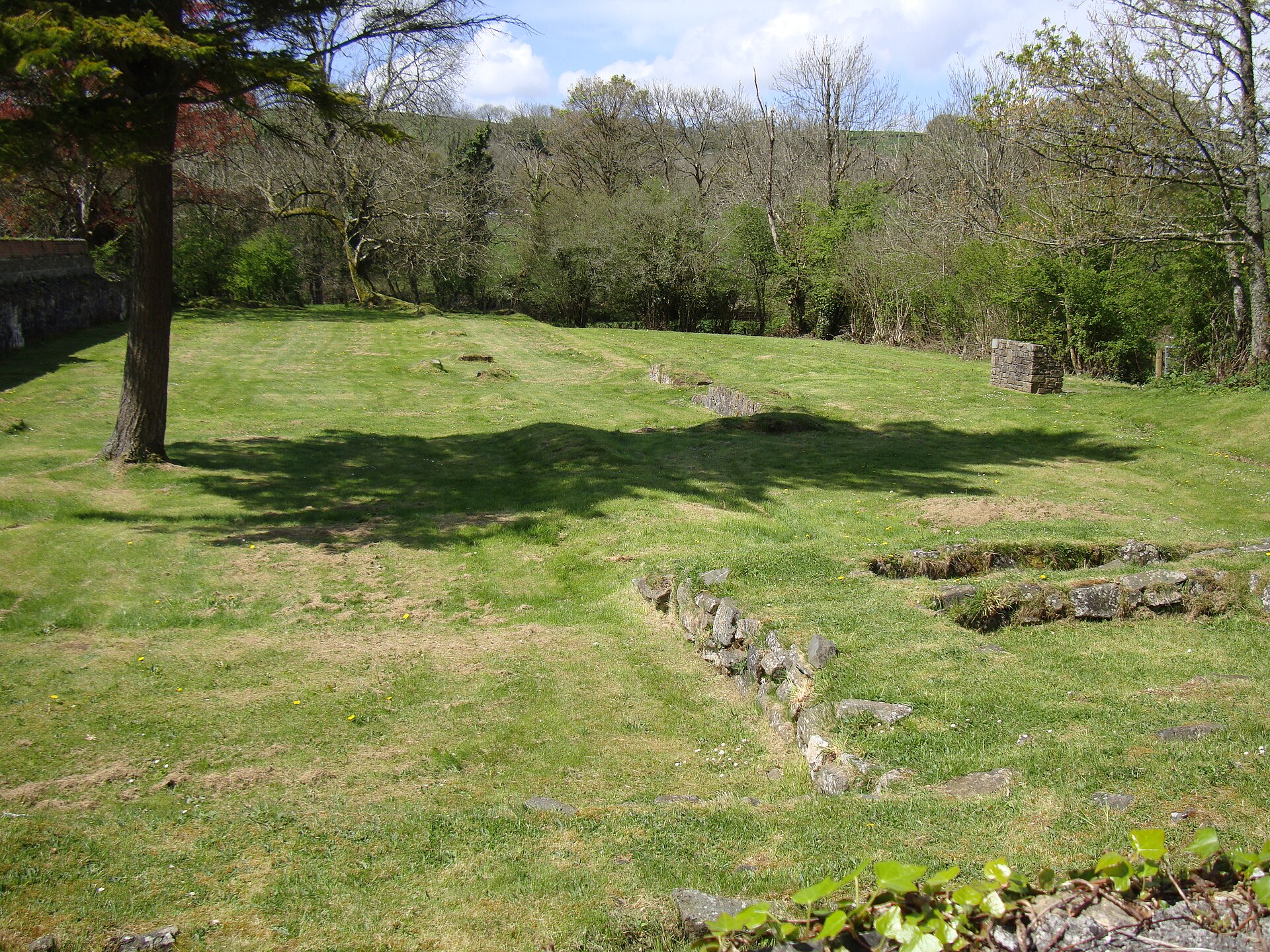
Whitland Abbey (Welsh: Ty Gwyn ar Daf, "the White House on the Taf") was a Cistercian monastery in south-west Wales. Only ruins remain today, yet the site is one of the more significant places in the country's medieval story, and the nearby town of Whitland takes its name from the abbey.
What was Whitland Abbey?
It was a Cistercian house that functioned from the 12th to the 16th century. It is generally said to have been founded in 1140 by Bernard, Bishop of St Davids, as the first Welsh monastery colonised directly from Clairvaux in France. The monks first settled at Little Trefgarn near Haverfordwest, then moved to the banks of the River Taf at Whitland around the middle of the 12th century.
What is the link to Hywel Dda?
Before the monastery existed, the spot was home to a residence called Ty Gwyn ar Daf. Tradition ties it to Hywel Dda, a tenth-century ruler of much of Wales. According to that tradition, a council held here around 940 drew up the laws later named after him. It is worth remembering that this is a traditional account rather than a firmly documented fact, but it explains why Whitland carries such symbolic weight in Welsh history.
A distinctly Welsh house
Although the foundation had Cambro-Norman roots, the abbey soon came under the patronage of Rhys ap Gruffudd, ruler of Deheubarth, and many Welsh monks joined the community. This gave the monastery a strongly Welsh character, and it supported the country's independence.
Daughter houses
Whitland became the starting point for further foundations. Monks from here established communities at Strata Florida and Strata Marcella in Wales, and at Comber and Tracton in Ireland, so the abbey's influence reached well beyond its immediate surroundings.
Turbulent times
In 1257, monks sympathetic to the Welsh cause were attacked when Anglo-Norman lords invaded the abbey. The monastery also suffered during Edward I's wars in Wales. It was finally dissolved in 1539 during the Dissolution of the Monasteries.
Frequently asked questions
What is left of the abbey? Only ruins survive, so the site is valued mainly for its history and its setting.
Where does the name of the town Whitland come from? The town grew up near the monastery and took its name from it.
Where is Whitland Abbey? Near the town of Whitland in south-west Wales, on the River Taf, at roughly 51.83 N, 4.60 W.
Who is it for? Anyone interested in medieval history, Welsh history and monastic architecture, as well as those curious about the origins of Welsh law.
Nearby places

Earn badges for the places you visit
Download NextOnTrip, discover new places and check off your trails.