About this place
The Vukovar Water Tower is one of the strongest symbols of Croatia's memory of the war. The concrete structure stands in Vukovar, on the Danube in eastern Croatia, and it has watched over the town through some of its hardest years. Today it works as both a memorial site and a lookout point.
When and why was it built?
The tower went up in 1968, when Croatia was a socialist republic inside Yugoslavia. It was a practical piece of infrastructure, a reservoir supplying the town with water, with no architectural ambitions. Nothing suggested it would become one of the best-known landmarks in the country.
Why is it so significant?
In 1991, during the Croatian War of Independence, Vukovar was besieged by the Yugoslav People's Army and Serbian paramilitary forces. The tower stood in the line of fire and was hit more than 600 times. It still did not fall. For residents and for the whole country, it became a sign of resistance and of the survival of a town that suffered enormous losses.
What does it look like today?
After the war the tower was rebuilt, but the traces of the shelling were not erased. The shell holes were kept as testimony to what happened, and the openings are protected by a glass wall. The interior was turned into a memorial space. The tower opened to visitors on 30 October 2020.
What can you see inside?
- A lift that takes you to the top.
- A memorial room with an exhibition about the siege and the fate of the town, where the war damage is visible.
- An observation deck at the very top, with views over Vukovar, the Danube and the surrounding plains.
Is it a popular stop?
Yes. Since opening, the tower has drawn more than 570,000 visitors from Croatia and abroad. In 2025 it recorded 133,219 visitors, about 12% more than the year before.
What else is nearby?
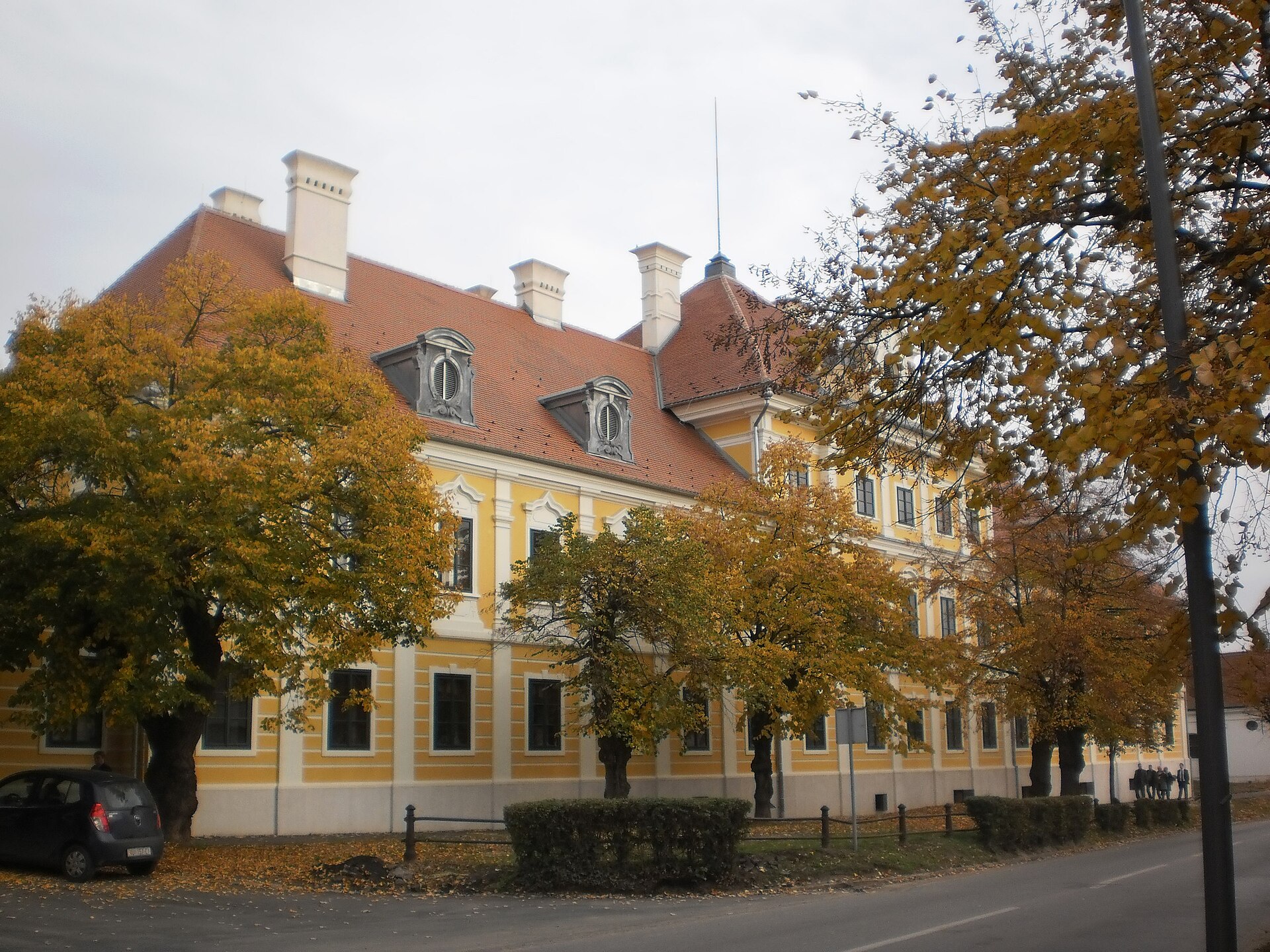
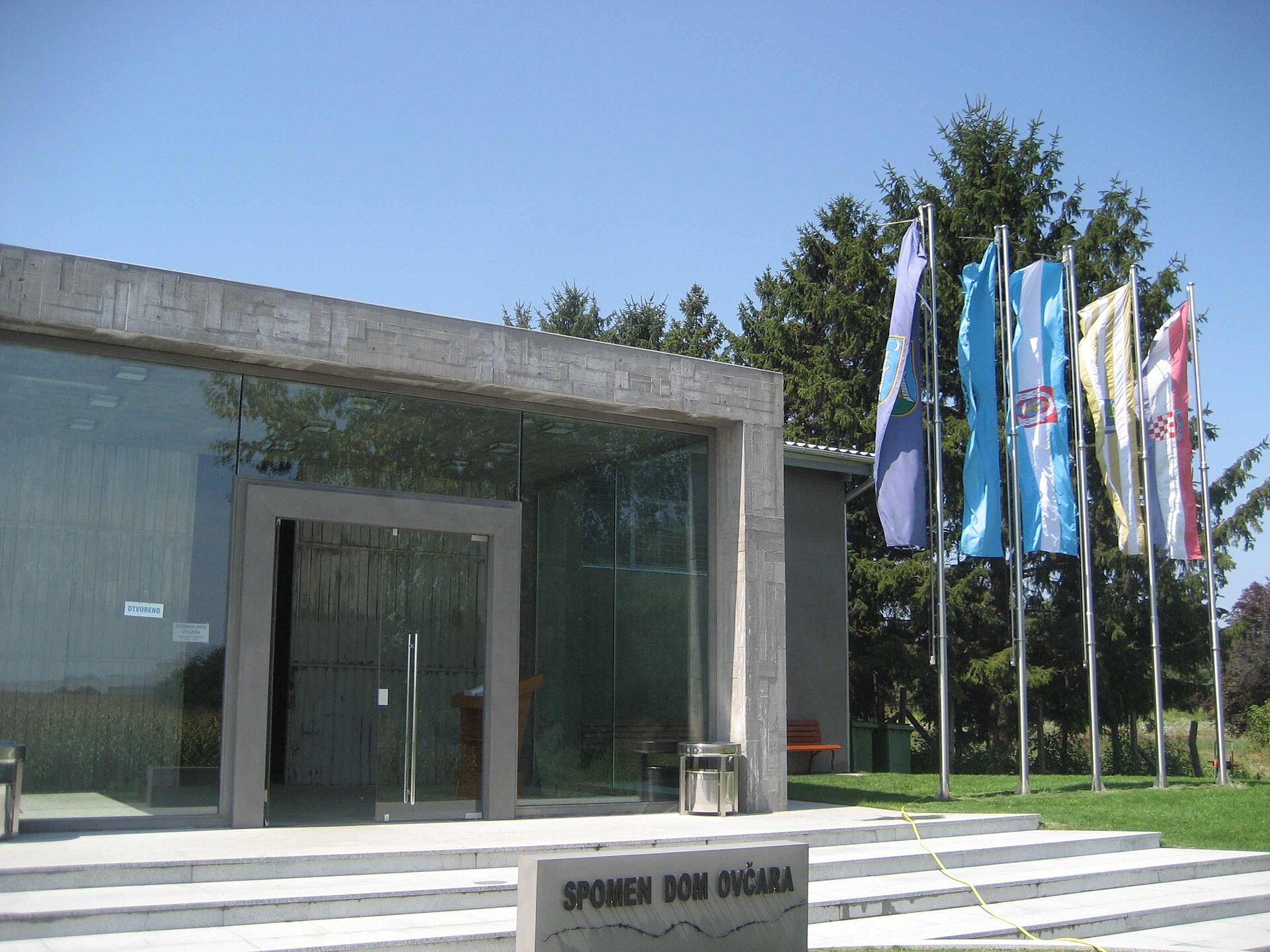
The tower pairs well with other sites tied to the town's history: the memorial cemetery for the victims of the war, the Memorial Centre of the Homeland War, the museum in Eltz Manor, and the place of remembrance at the former Vukovar hospital. Together they give a coherent picture of what the town went through in 1991 and how it is remembered today.
Frequently asked questions
When was the Vukovar water tower built? In 1968, in the Yugoslav era.
Why did it become a symbol? It survived more than 600 hits during the 1991 siege and was preserved with the scars of war left visible.
Can you go up? Yes. The tower has been open to visitors since 30 October 2020, and an observation deck waits at the top.
Are the shell holes still visible? Yes. They were kept on purpose, and the openings are shielded with glass.
Is it worth visiting during a stay in Vukovar? Absolutely. It is the best starting point for understanding the town's history, and the view from above makes sense of its layout on the Danube.
Nearby places

Earn badges for the places you visit
Download NextOnTrip, discover new places and check off your trails.