About this place
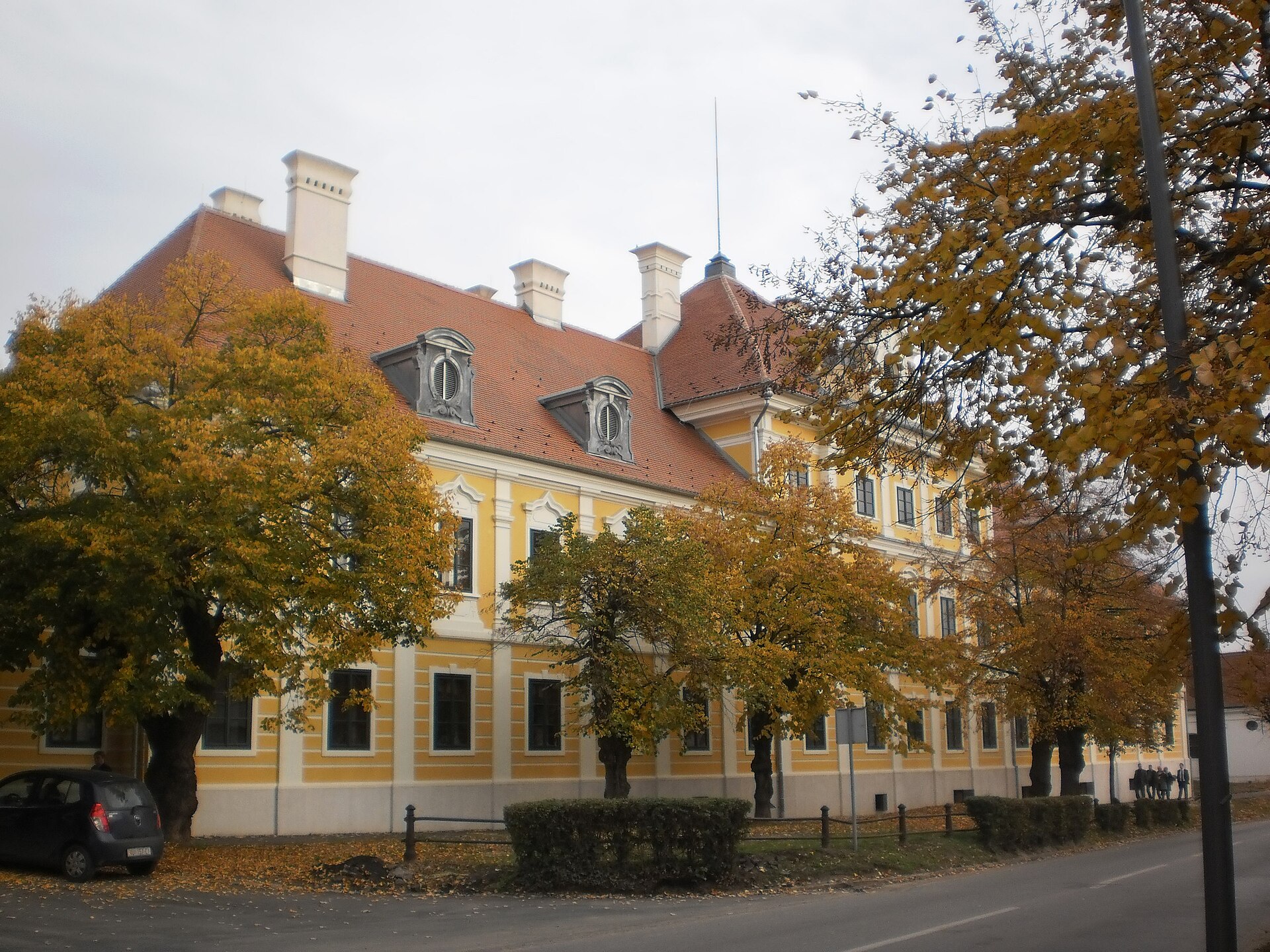
Erdut Castle (Croatian: Erdutska utvrda) is a medieval fortress overlooking the Danube in the village of Erdut, in Osijek-Baranja County, eastern Croatia. Its ruins sit on a steep bluff roughly 70 metres above the river — a location chosen for a reason, since the flat land stretching out below gave defenders a clear view of anyone approaching from the east.
Where does the castle's history begin?
The settlement and the fortress first appear in written sources in 1335 under the name Ardud. By 1472 the place had gained town status as Castellum Erdeed — a name rooted in a Hungarian word for a forest path or track, a fitting description of the wooded terrain around it in medieval times.
Ownership passed through several noble families over the centuries. Fifteenth-century records link the site to the provostry of Titel and the Bánffy family, while documents from 1552 and 1687 — the years bracketing renewed waves of Ottoman incursions — record the Erdődy family as holders of the estate. During the early phase of the Ottoman wars, the fortress served as an important border stronghold guarding the southern frontier of the Kingdom of Hungary, with the Danube forming a natural defensive line against invaders from the east.
The most recent chapter is far grimmer: in July 1991, during the Croatian War of Independence, the castle was damaged in an artillery attack by the Yugoslav People's Army. It remains a picturesque ruin today rather than a restored monument.
What will you see on site?
The site now functions mainly as a scenic overlook — Erdutska utvrda doubles as a Vidikovac, a viewpoint terrace above the Danube valley. From the bluff, the view opens onto the river and the surrounding wetlands, making it a popular short walking destination and a good stop for landscape photography.
Right around the castle, additional observation points face out toward the Danube: Razgledište kod čaplje dangube (by a heron habitat) and Razgledište kod ćubastog gnjurca (by a great crested grebe habitat). That's a clear sign the area is also valued by birdwatchers — the riverside bluffs and Danube backwaters here favour waterfowl.
A stairway called Stepenice zdravlja, or "health stairs," with 226 steps, connects the riverside to the top of the bluff where the ruins and viewpoints sit. It's the most direct way up from the river and doubles as a bit of a workout for visitors.
When is the best time to visit?
Since the main draw is the view and the walk along the bluff, warmer months are the best choice, when the Danube valley is green and birdwatching conditions are at their best. The site works well as a stop of a few hours, combined with a visit to Erdut itself and its riverside promenade.
Frequently asked questions
What is Erdutska utvrda? It's the ruin of a medieval fortress in Erdut on the Danube, known today mainly as a riverside viewpoint.
When was Erdut Castle built? The settlement and fortress are first recorded in 1335, and the town status followed in 1472.
Is the castle in ruins? Yes. The structure was damaged by artillery fire in July 1991 during the Croatian War of Independence and remains a ruin today.
How do you reach the viewpoint? A 226-step stairway called Stepenice zdravlja ("health stairs") leads up the bluff to the ruins and the viewpoint terraces.
Nearby places


Earn badges for the places you visit
Download NextOnTrip, discover new places and check off your trails.