About this place
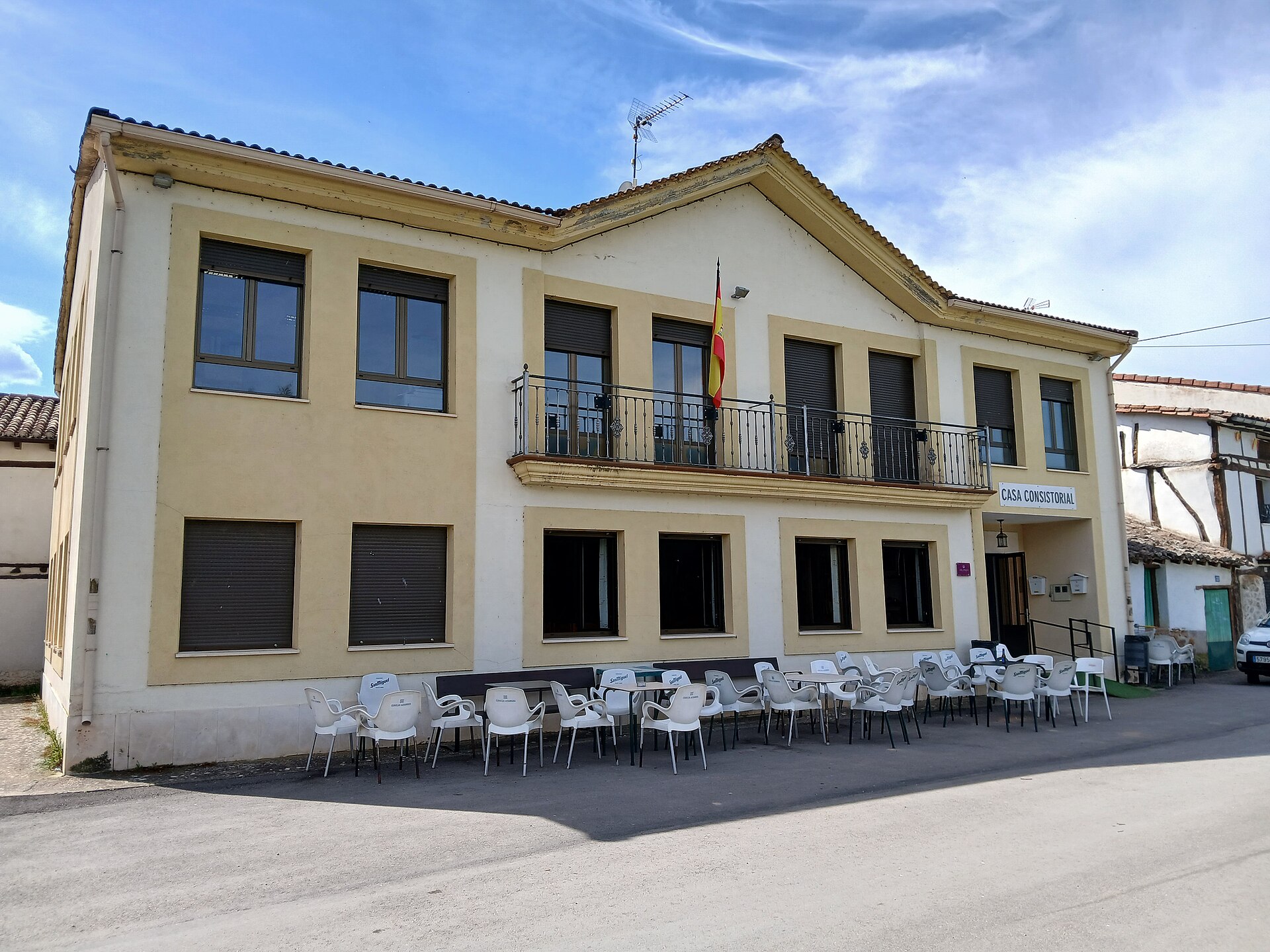
Villalmanzo town hall sits at the heart of this small Castilian village in the province of Burgos, roughly 35 km from the provincial capital. The building houses the local municipal government and works as a natural landmark for anyone passing through Villalmanzo, even briefly.
Where is Villalmanzo and how do you get there?
The village lies in the Arlanza comarca, in the central part of Burgos province, at an elevation above 850 metres. Driving is by far the easiest option: the trip from Burgos city takes under an hour along the Arlanza river valley, an area known for its vineyards and stone-built hamlets. The town hall stands within the village's compact core, just a short walk from the parish church, making it a convenient starting point for a walk around town.
What's the story behind the village?
Villalmanzo was established during the medieval Christian resettlement of the Arlanza valley after the year 912. Sitting close to the frontier of the emerging Kingdom of Castile, it endured a turbulent early history — chronicles record the village being destroyed three separate times, in 933, 953 and 955. Centuries later, on 2 August 1812, retreating French troops burned the village during the Peninsular War. Given that history, the town hall carries extra weight locally: it stands as a marker of the community's continuity through repeated setbacks.
What else sits near the town hall?
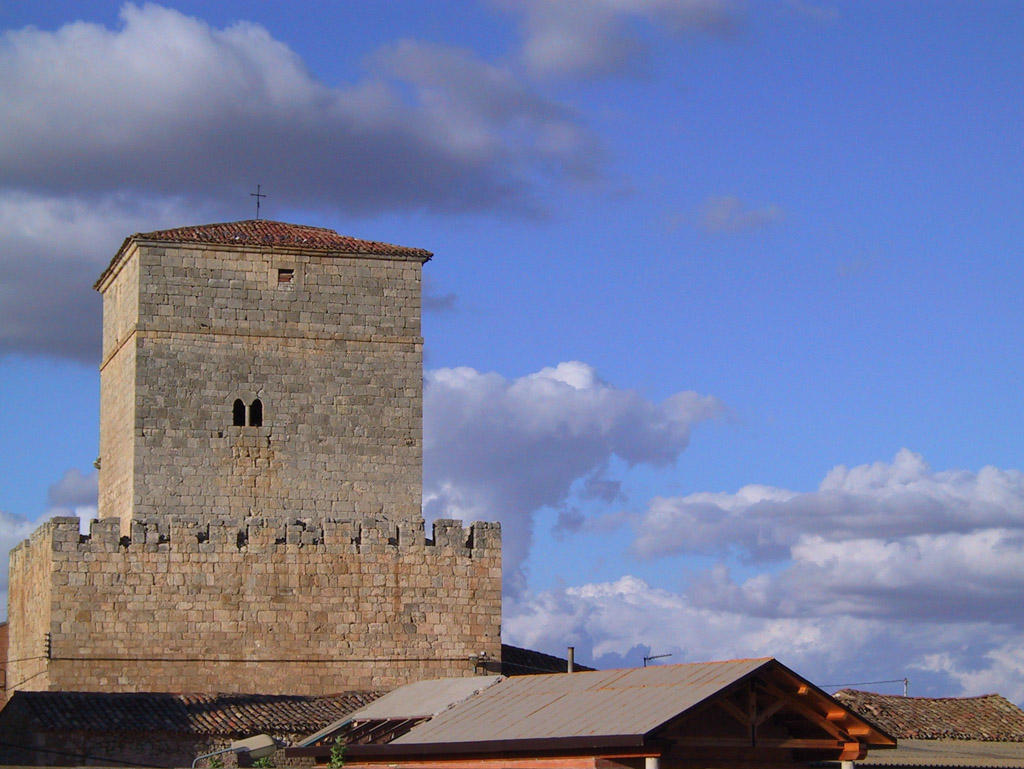
Right beside it rises the church of Nuestra Señora de la Asunción, an 18th-century neoclassical building with three naves and Gothic vaulting. Its square Herrerian-style tower, 25 metres tall, is visible from most of the village and, together with the town hall, forms the visual anchor of the centre. Inside the tower there's a small interpretation centre with video and audio displays on local history. Villalmanzo also falls within the Ribera de Arlanza Denominación de Origen wine route, one of Castile and León's wine-growing areas, so a stroll through the village pairs naturally with a stop for local wine.
What does the village offer besides the sights?
Villalmanzo has kept its traditional Castilian look: stone houses, narrow streets, and a small square where the town hall stands. The village still runs a few bars, a bakery and a butcher's shop, plus some overnight accommodation, so staying longer isn't a logistical problem. This is a living, inhabited village rather than a museum piece — the town hall handles day-to-day municipal business, visible in the notice boards and foot traffic at its entrance.
When is the best time to visit?
Given the elevation and the continental climate typical of inland Castile, summers run hot and winters cold. Spring and autumn offer the most comfortable conditions for exploring, and autumn also coincides with the grape harvest across the Arlanza wine region, when the surrounding vineyards look their best.
Frequently asked questions
Can you go inside Villalmanzo town hall? It's an active municipal building, so public access is limited to office hours and depends on the town hall's own schedule.
How long does it take to drive from Burgos? About 45 to 60 minutes by car, depending on the route taken through the Arlanza valley.
What else is worth seeing besides the town hall? The church of Nuestra Señora de la Asunción, with its Herrerian tower and small interpretation centre, is the main sight right next to the town hall.
Are there places to eat or stay in Villalmanzo? Yes — the village has bars, a bakery, a butcher's shop and some accommodation, enough for a relaxed, longer stop.
Nearby places

Earn badges for the places you visit
Download NextOnTrip, discover new places and check off your trails.