About this place
The Town Hall of Viana (Ayuntamiento de Viana) stands on Plaza de los Fueros, right at the heart of this small town in Navarre, on the French Way of the Camino de Santiago, just a short drive from the border with La Rioja. Alongside the collegiate church of Santa María, it's one of the town's defining landmarks, and the square in front of it is a natural resting point for pilgrims and visitors passing through.
What's the history behind the building?
The current town hall was designed by the French architect Juan de Raón, with construction completed in 1688. The façade follows a restrained, classicist strand of French Baroque — no excessive ornamentation, but a monumental coat of arms of Spain, topped with a royal crown, placed prominently above the entrance. The ground floor opens onto an arcaded gallery of round arches, giving the building a distinctive, open lower section.
Viana itself is far older than its town hall. The town was refounded in 1219 by King Sancho VII "the Strong" of Navarre, and it was granted city status in 1630. The municipal archive still holds a document known as the Fuero del Privilegio del Águila, which records the circumstances of the town's founding under Sancho VII — one of the most significant pieces of local historical evidence, kept inside the town hall itself.
What will you see inside and outside?
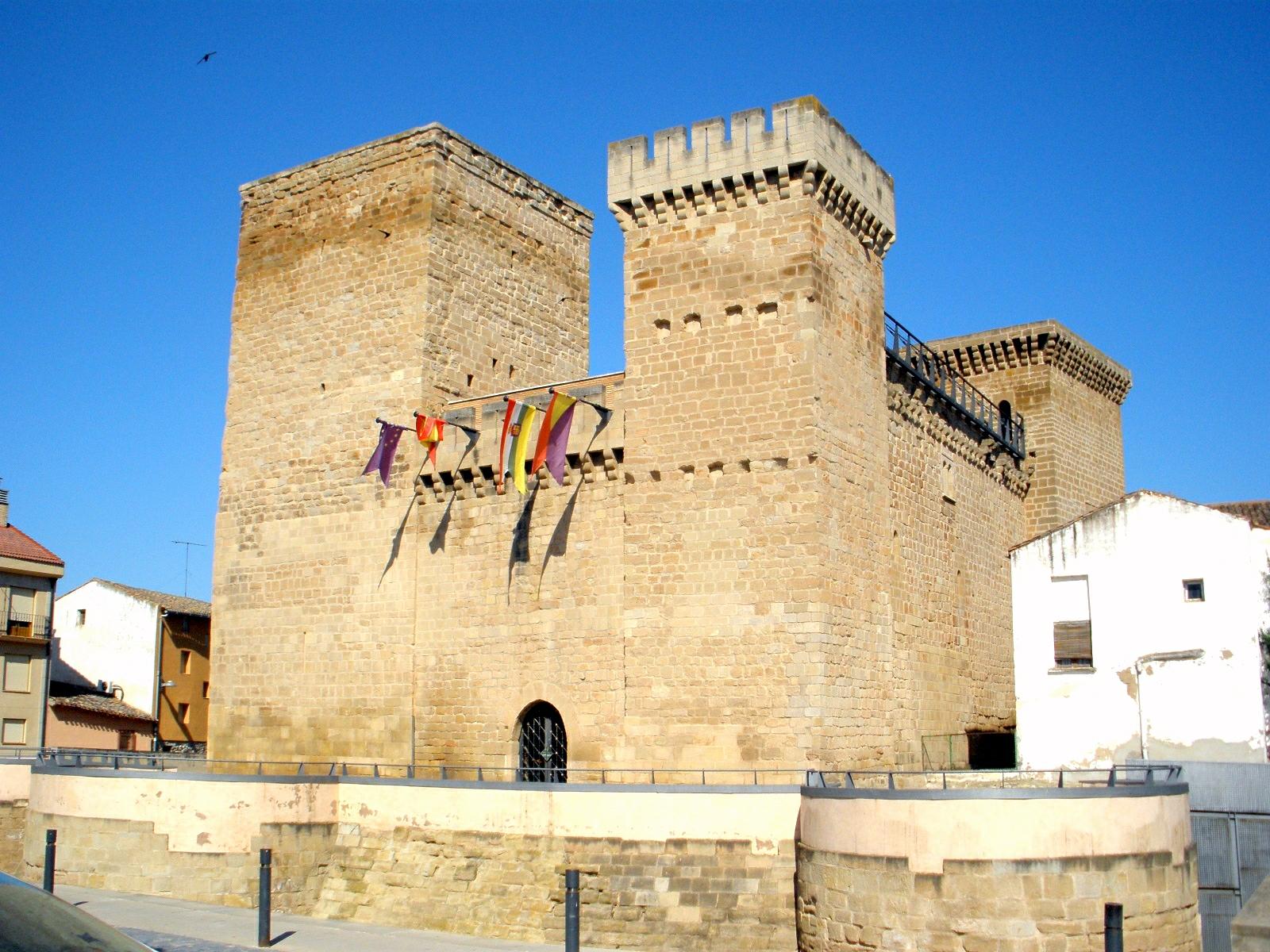
From the outside, the most striking feature is the two-tower façade with seven decorated arches — a layout rarely seen in small towns of the region, which makes the Viana town hall a notable example of municipal Baroque architecture. Inside, the main council chamber houses a statue depicting the torso of Saint Mary Magdalene, the town's patron saint, a figure carrying real symbolic weight for the local community.
Plaza de los Fueros, where the town hall sits, takes its name from events in 1893, when Viana and other Navarrese towns saw protests against a budget law seen as undermining local rights (the historic fueros). The square sits at the crossing point of the town's main streets and surrounds the church of Santa María; historically, gates on each side gave access to the town from every cardinal direction.
How do you get there, and when's the best time to visit?
Viana lies on the A-12 motorway and the N-111 road, about 10 km from Logroño and close to the border between Navarre and La Rioja, making it an easy stop for anyone driving between Pamplona and Logroño. It's also one of the stages on the walking Camino de Santiago (French Way), so many visitors arrive at Plaza de los Fueros as part of a multi-day pilgrimage rather than a dedicated day trip.
Spring and autumn are the most comfortable seasons, when temperatures in Navarre are mild and the square isn't baking in summer sun. In summer, mornings and evenings are the better choice for sightseeing — midday heat can be intense, typical of Spain's interior.
Frequently asked questions
Who designed the Viana town hall? The building was designed by the French architect Juan de Raón, with construction finished in 1688.
Can you go inside the town hall? As a working administrative building, it primarily serves official functions, but access to the main chamber with the statue of Saint Mary Magdalene is sometimes possible during set hours — it's worth checking current details locally or at the tourist office.
What does the coat of arms on the façade represent? It's a monumental coat of arms of Spain topped with a royal crown, underlining Viana's historical status as a city with its own charter rights (fueros).
Why is the square in front of the town hall called Plaza de los Fueros? The name dates back to 1893, tied to protests by residents of Viana and other Navarrese towns against a budget law that threatened local charter rights, for which the region was historically known.
Nearby places

Earn badges for the places you visit
Download NextOnTrip, discover new places and check off your trails.