About this place
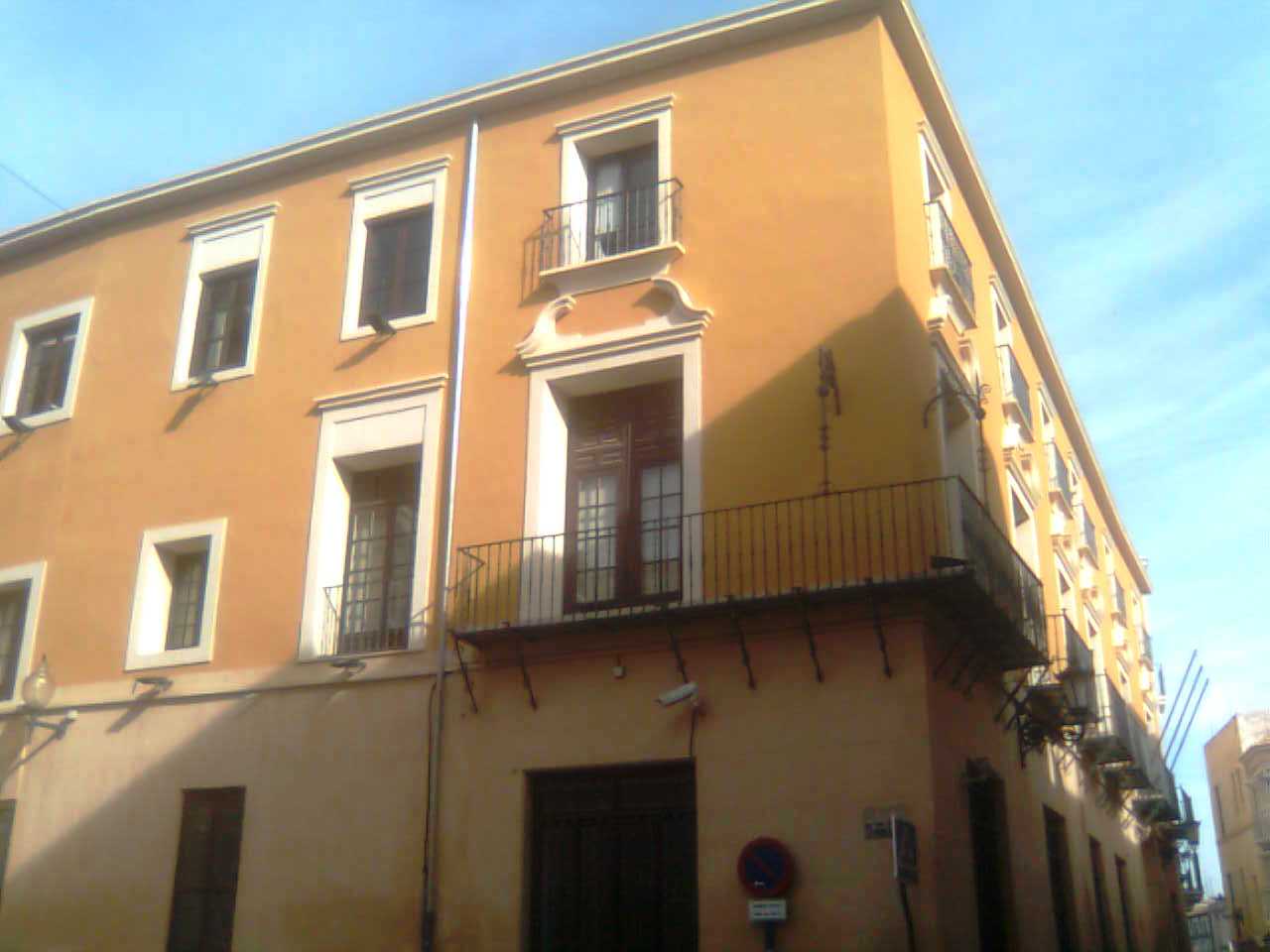
The Town Hall of Cox sits on Plaza de la Glorieta 1, right at the heart of this small town in the Vega Baja del Segura area of Alicante province, Spain.
What is this building, exactly?
The seat of the local government wasn't always a town hall. The structure was originally part of a Carmelite convent complex. In the early 20th century, those same walls housed an orphan school run by a local priest remembered affectionately as Padre Antonio, known throughout Cox for his charitable work with children. Only in a later phase did the building change purpose again, this time becoming the administrative headquarters it is today. Convent, orphanage, town hall — that sequence makes the building one of the more unusual examples in the region of religious architecture repurposed for civic use.
Is it worth stopping here?
Cox won't compete with the Costa Blanca coastline for tourist numbers, but it has a genuine small-town character, and the town hall works as a natural landmark for orienting yourself in the centre. Plaza de la Glorieta, where the building stands, doubles as a gathering spot for residents and a starting point for exploring the rest of the old town. No guide is really necessary — a basic street map is enough to string together a short walking loop past the main sights.
What else is there to see nearby?
A handful of other landmarks round out the picture of a town shaped by both Muslim and Christian layers of history:
- Santa Bárbara Castle — a fortification of Muslim origin, considered one of the oldest of its kind in the entire Valencian Community, now restored.
- Church of San Juan Bautista — the parish church, a solid example of the religious architecture typical of the Vega Baja area.
- Sanctuary of Nuestra Señora del Carmen — a devotional site tied to the town's religious traditions.
Evidence of settlement around Cox goes back to the 4th century BC, with surviving Iberian wall fragments and fortifications from that period. Romans and Arabs later passed through the area, and during the medieval period it fell under the rule of Jaime I and Jaime II of Aragon. Cox gained administrative independence from neighbouring Orihuela in the 16th century, a turning point that let the town develop as its own municipal entity.
How do you get to the town hall in Cox?
Cox lies inland, within the Vega Baja del Segura district, a short distance from larger regional hubs like Orihuela and Alicante. Driving is the most practical option — the town connects easily to the regional road network, and since the town hall sits in the centre, parking nearby is rarely an issue. Travellers without a car can rely on local bus links from Orihuela.
When is the best time to visit?
Like the rest of southeastern Spain, the Vega Baja del Segura area has a Mediterranean climate — hot summers and mild winters. Spring (March to May) and autumn (September to November) are the most comfortable windows for walking around Cox and taking in the castle or the church without the summer heat working against you.
Frequently asked questions
Can you go inside the Cox town hall? The building is a working administrative office, so visitor access is generally limited to office hours and public-facing areas. It's worth checking current opening times before planning a visit.
Why is the town hall housed in a former convent? The building had already been repurposed once, as an orphan school run by Padre Antonio, before local authorities converted it into the town hall — a fairly common pattern of reusing convent buildings for civic functions.
What else should I see in Cox besides the town hall? Santa Bárbara Castle is the standout, one of the oldest Muslim-era fortifications in the region, alongside the Church of San Juan Bautista and the Sanctuary of Nuestra Señora del Carmen.
What's the best way to reach Cox? Driving is easiest, since Cox sits close to Orihuela with good regional road connections; local buses from Orihuela are also an option for those without a car.
Nearby places

Earn badges for the places you visit
Download NextOnTrip, discover new places and check off your trails.