About this place
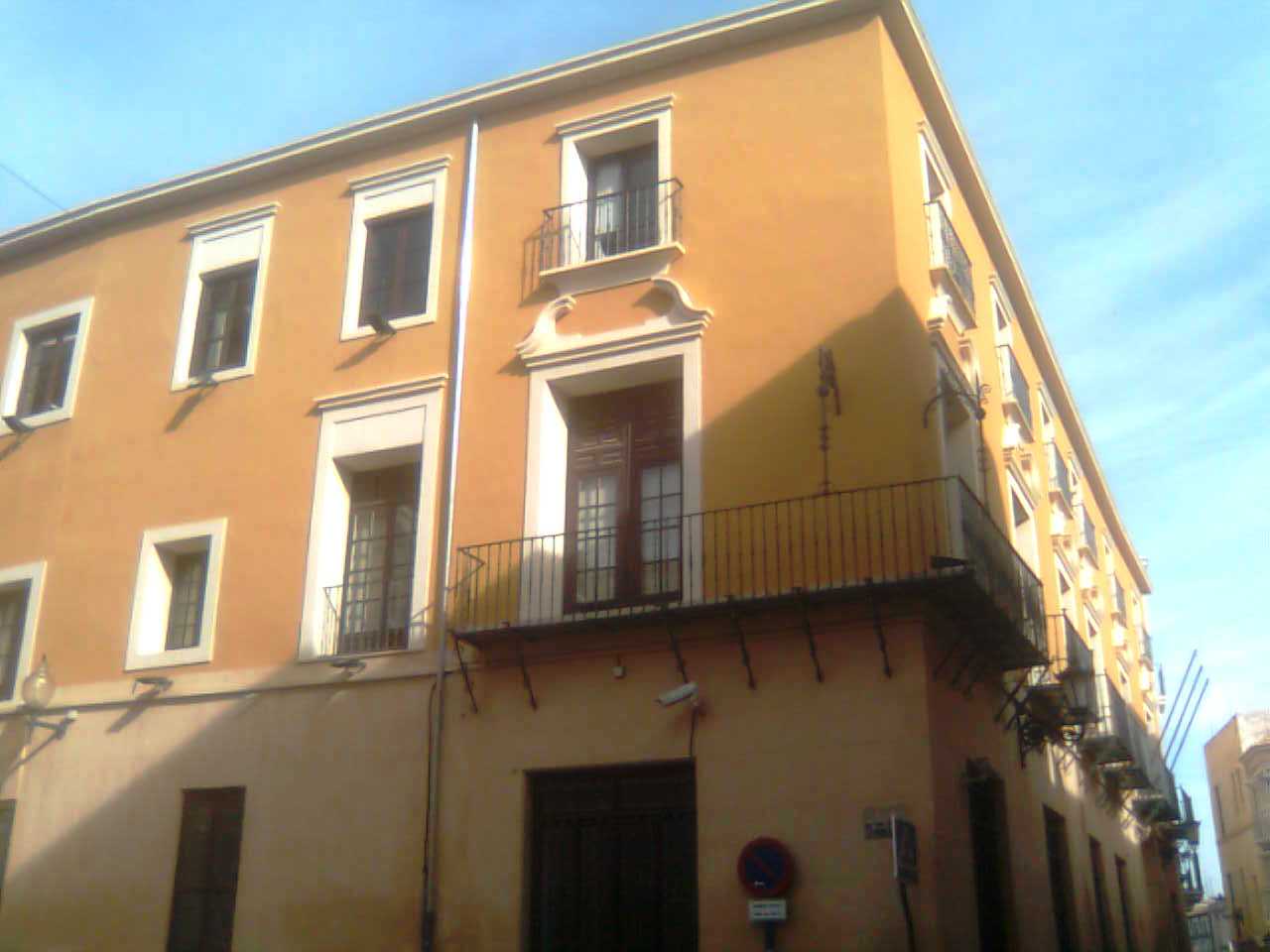
The Episcopal Palace of Orihuela is the largest palace building in this town in the Alicante province and, for centuries, the residence of the bishops of the Orihuela-Alicante diocese. It sits right in the historic centre, a short walk from the cathedral, and has been protected as a Bien de Interés Cultural (a nationally listed cultural asset) since 1975.
What is the history behind the palace?
The building rose on the site of the old Corpus Christi hospital, a medieval charitable institution. Construction most likely began in the early 16th century, shortly after Orihuela was established as its own bishopric. In 1558, under Bishop Esteban Almeyda, the hospital was relocated to the parish of Santiago, freeing the plot for the growing episcopal residence. The palace acquired its current Baroque appearance through a major 18th-century remodelling ordered by bishops José Flores Osorio and Pedro Albornoz Tapia — most of the decoration and interior layout visitors see today dates from that phase.
What will you see inside?
The floor plan is rectangular, arranged around three courtyards, a layout typical of large ecclesiastical residences of the period. The main floor, once the bishop's private quarters, held the most important rooms: an audience hall, a throne room, the grand staircase, a chapel and the Gallery of Bishops, lined with portraits of the diocese's successive leaders. The upper floor housed priests and household staff, while the ground floor was given over to kitchens, stables, coach houses and other service rooms grouped around the main courtyard. A smaller highlight is the compact Baroque-classical cloister, decorated with substantial pilasters.
The palace now hosts the Diocesan Museum of Religious Art (Museo Diocesano de Arte Sacro), bringing together liturgical objects, sculpture and paintings drawn from churches across the region. Among the works on display is Diego Velázquez's "The Temptation of St Thomas Aquinas," a rare chance to see one of the painter's works outside a major national gallery. The visit route takes in two cloisters, a church, and an interactive exhibition on the building's own history.
How do you get there, and when's the best time to visit?
The palace stands in Orihuela's historic quarter, within walking distance of the cathedral and the main squares of the old town, so it pairs easily with a visit to the rest of the centre. Arriving on foot or by local bus is more practical than driving, since parking in the narrow old-town streets is limited. Mornings tend to be the quietest time to explore, and the light falls well on the courtyards' architectural detail at that hour. It's worth checking the museum's current opening hours before setting off, as they can vary with the season and local holidays.
Frequently asked questions
Can you visit the Episcopal Palace of Orihuela? Yes — the building is open to the public as the Diocesan Museum of Religious Art, with a paid entrance.
How much does admission cost? The fee is modest, around 2 euros, though it's worth confirming the current price on site or at the local tourist office.
What's the highlight of the interior? Diego Velázquez's painting "The Temptation of St Thomas Aquinas" and the Baroque cloister with its pilasters are the two most frequently mentioned reasons to visit.
How long does a visit take? A relaxed walk through the two cloisters, the church and the museum exhibition usually takes 45 minutes to an hour.
Nearby places

Earn badges for the places you visit
Download NextOnTrip, discover new places and check off your trails.