About this place
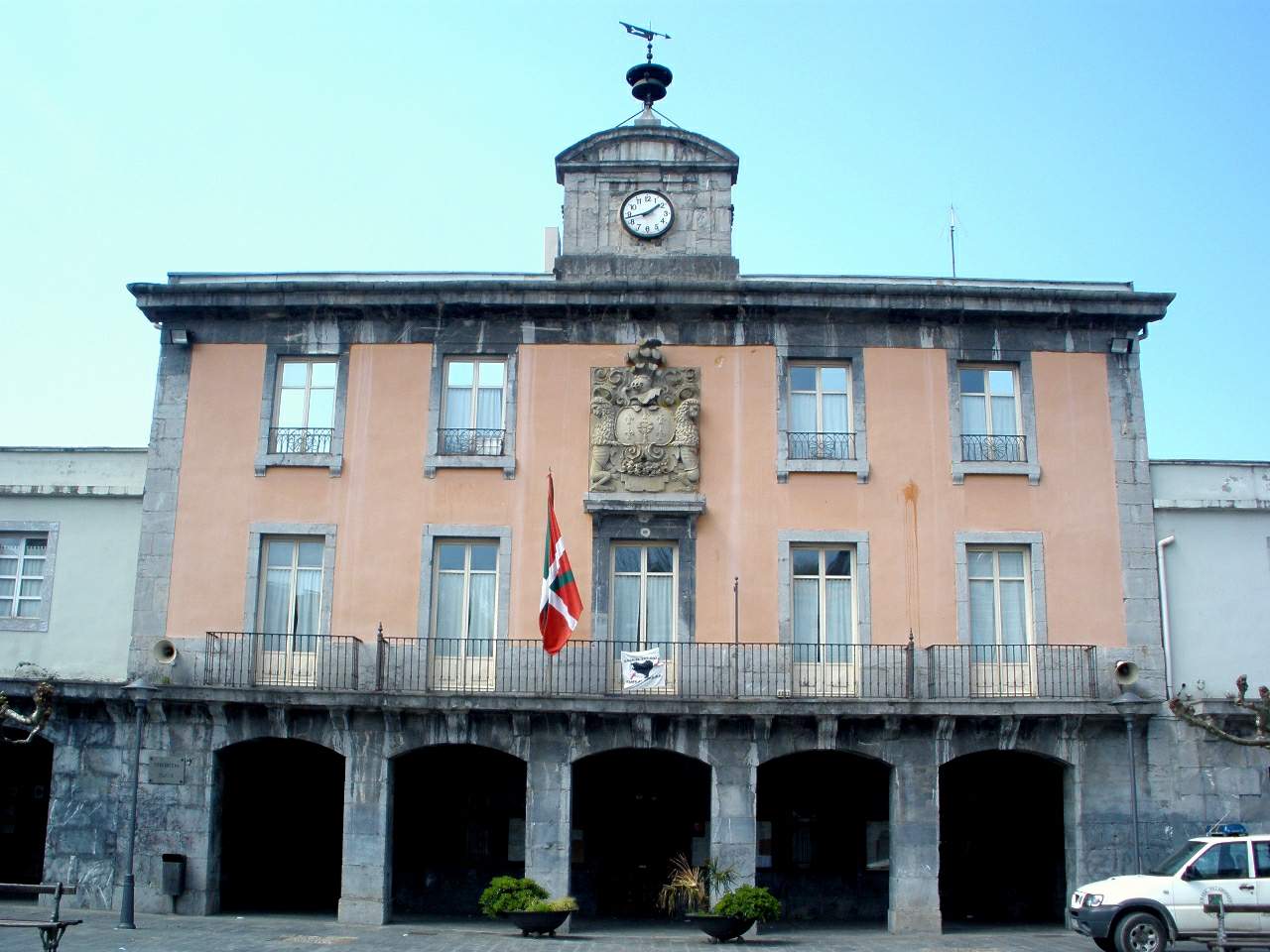
The town hall of Alkiza is the seat of local government for a small municipality in the Basque Country, in the province of Gipuzkoa. The building sits right at the heart of Alkiza, a village tucked into the green hills of the Tolosaldea region, at the foot of Mount Ernio (1,075 m). For travelers exploring the Basque interior, it's a handy landmark and a good excuse to stop in one of the villages that mass tourism tends to skip — the kind of place that shows the real rhythm of rural Basque life.
Where is Alkiza, and why visit?
Alkiza lies in the northern part of Gipuzkoa, within easy reach of both Tolosa and Donostia-San Sebastián. Pastures, beech woods and steep local roads surround the village, typical of the countryside behind the Basque coast. The settlement itself is small but compact: a church, the town hall and a scattering of farmhouses form its historic core. It's a destination for travelers who want to see the Basque Country without the crowds — a quiet village where local administration has been concentrated in one spot for centuries.
Getting there
Alkiza is an easy drive from Donostia-San Sebastián and Tolosa, which makes it a convenient stop on a longer route through Gipuzkoa — for instance on the way to Mount Ernio or to neighboring towns in the Tolosaldea region.
What is the history behind the village?
The earliest written records of Alkiza date back to the 14th century (around 1348–1386), although the area was inhabited before then. During this period, local landowners entered a relationship of vassalage with the city of Tolosa. That changed in 1450, when the community of Alkiza broke away and sought the protection of Donostia instead — a decision that reflects how small Basque communities actively chose their allies amid medieval power struggles.
The fire that reshaped local administration
In 1561, a farmhouse known as Litxaso (Liazasoro) burned down. The event pushed residents to organize something resembling an early home-insurance system: buildings across the municipality were catalogued, listed and assessed for condition. It's one of the lesser-known but telling episodes in the region's local administrative history.
A new church and a village divided into quarters
The year 1600 marked the completion of the new San Martin parish church, still one of the village's most recognizable landmarks today. Later, in 1775, the town council divided the municipality into four districts — Azaldegi, Aldapa, Arana Behea and Arana Goikoa — for the purpose of collecting local taxes. That administrative split has left its mark on neighborhood names still used today.
What should you know before visiting the town hall and village?
The town hall of Alkiza isn't a monumental building — it's a modest civic structure, typical of small Basque municipalities, but significant as a symbol of local self-government dating back to the Middle Ages. It's worth pairing a visit with a short walk through the village and a stop at the San Martin church, and hikers can extend the trip with a climb up nearby Mount Ernio, which offers sweeping views over the surrounding countryside.
Frequently asked questions
Where is the town hall of Alkiza located? In the center of the village of Alkiza, in the province of Gipuzkoa, Basque Country, at the foot of Mount Ernio.
Is Alkiza worth a longer stop? It's a small village, so visiting the town hall and its surroundings usually takes anywhere from a few dozen minutes to an hour — it pairs well with a broader trip through the Tolosaldea region.
What are the key dates in Alkiza's history? The main milestones are the first historical mention (1348–1386), the shift in vassalage in 1450, the fire and reorganization of farmhouses in 1561, the completion of the parish church in 1600, and the division into districts in 1775.
Are there other sights near the town hall? Yes — the San Martin parish church and the trails leading up Mount Ernio, a popular hiking destination in the region.
Nearby places

Earn badges for the places you visit
Download NextOnTrip, discover new places and check off your trails.