About this place
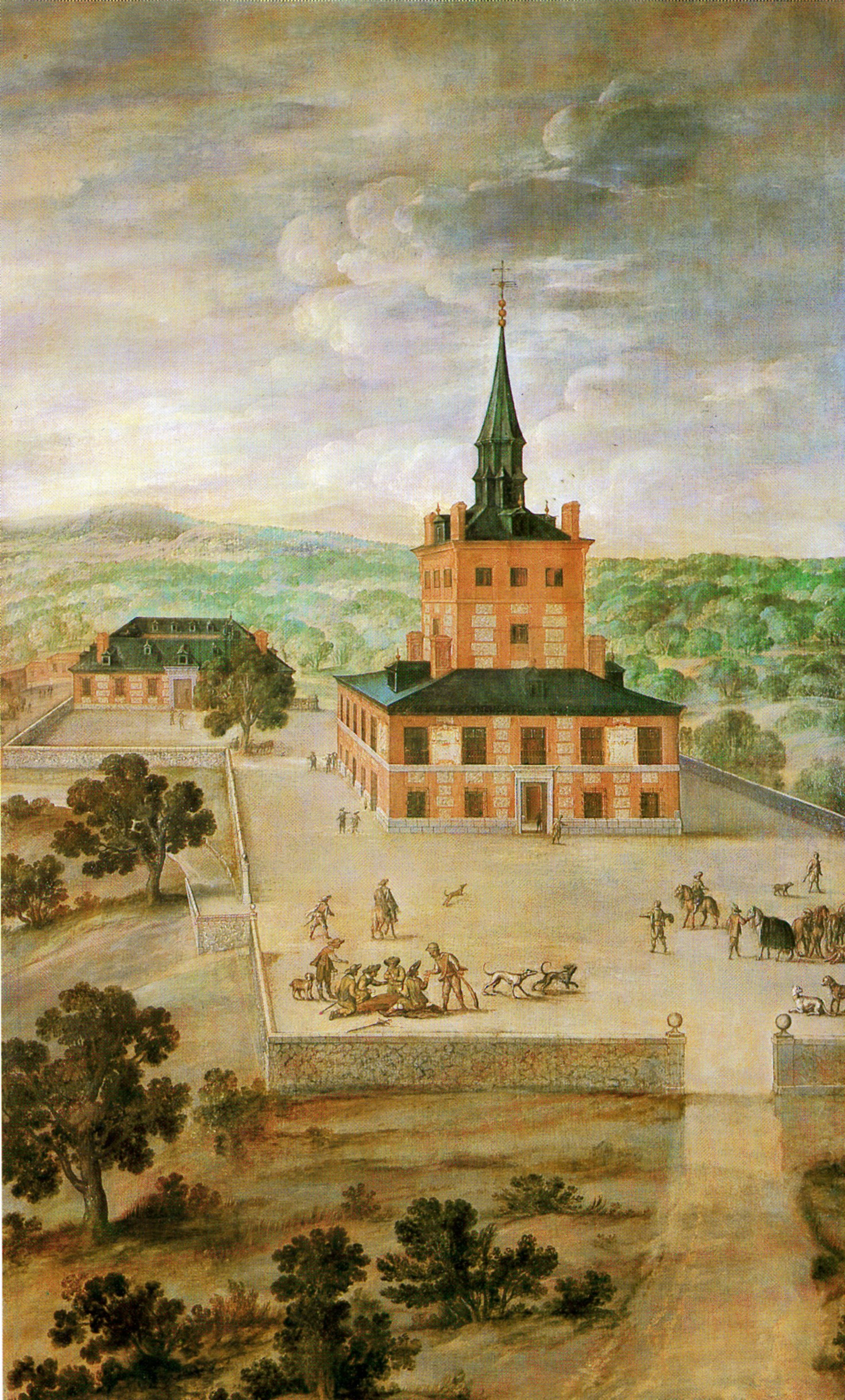
Torre de la Parada is a former royal hunting lodge whose ruins lie today in the forests on the outskirts of Madrid, in the Fuencarral-El Pardo district.
What was Torre de la Parada?
Built as a 16th-century baroque pavilion with a tower — the Spanish word "torre" simply means tower — the building served the kings of Spain and their retinue as a resting point during hunts in the woodlands surrounding the Royal Palace of El Pardo, at the foot of the Sierra de Guadarrama. Its rooms were once hung with numerous paintings by Spanish and Flemish artists. Most of these works now hang in Madrid's Prado Museum, which makes Torre de la Parada a small but significant chapter in the story of one of the world's greatest painting collections.
How do you get there?
The ruins stand within present-day Monte de El Pardo, a large forested estate in the Fuencarral-El Pardo district, a few kilometres northwest of central Madrid. The Royal Palace of El Pardo is the easiest landmark to use when planning a route, whether on foot or by car, into the surrounding woods. Because the area functions partly as protected woodland and former royal hunting ground, it is worth checking current access rules before setting out.
What is the history behind it?
Torre de la Parada did not survive intact. During the War of the Spanish Succession the lodge was first plundered, and in 1714, when Austrian troops took the area, it was largely destroyed by fire. Only ruins remain today, a quiet trace of what was once a hunting residence of the Spanish Habsburgs. The war itself (1701–1714) reshaped the Spanish crown, ending with the Bourbon dynasty on the throne — a conflict whose reach extended even into the woods of El Pardo, consuming a royal pavilion that had once witnessed the court at its height.
What is left to see today?
Visitors today will mainly find the ruins of the old pavilion — remnants of walls and the outline of the tower, set among the dense oak forest typical of Monte de El Pardo. This is a site for those drawn to art history and the residential architecture of the Spanish Habsburgs rather than a polished tourist stop with visitor facilities. The real complement to a visit is a trip to the Prado, where the paintings that once decorated Torre de la Parada now hang — the best way to picture the lodge in its heyday.
When is the best time to visit?
Given the forested setting, spring and autumn are the most comfortable seasons, avoiding Madrid's peak summer heat. Morning visits are recommended, when the woods of El Pardo are quietest and the light falls well on the ruins and surrounding landscape.
Frequently Asked Questions
What was Torre de la Parada used for? It was a baroque hunting lodge built for the kings of Spain, used as a resting place during hunts in the forests around El Pardo.
Why does Torre de la Parada matter for art history? Because the paintings by Spanish and Flemish masters that once decorated it are now mostly held in the Prado Museum, forming part of one of the world's most important art collections.
What happened to the original building? It was plundered during the War of the Spanish Succession and largely destroyed by fire in 1714 after Austrian troops occupied the area. Only ruins survive today.
Can you visit the ruins today? The site lies within the Monte de El Pardo woodland, an area with partial access restrictions, so it is worth confirming current entry rules before planning a visit.
Nearby places

Earn badges for the places you visit
Download NextOnTrip, discover new places and check off your trails.