About this place
Tito Bustillo Cave is one of Spain's most significant painted caves, tucked at the edge of Ribadesella on the Asturian coast, right beside the Sella river. Inside, faded but still striking prehistoric artwork survives from thousands of years ago, protected as part of the region's celebrated group of Paleolithic caves in northern Spain.
What's inside the cave?
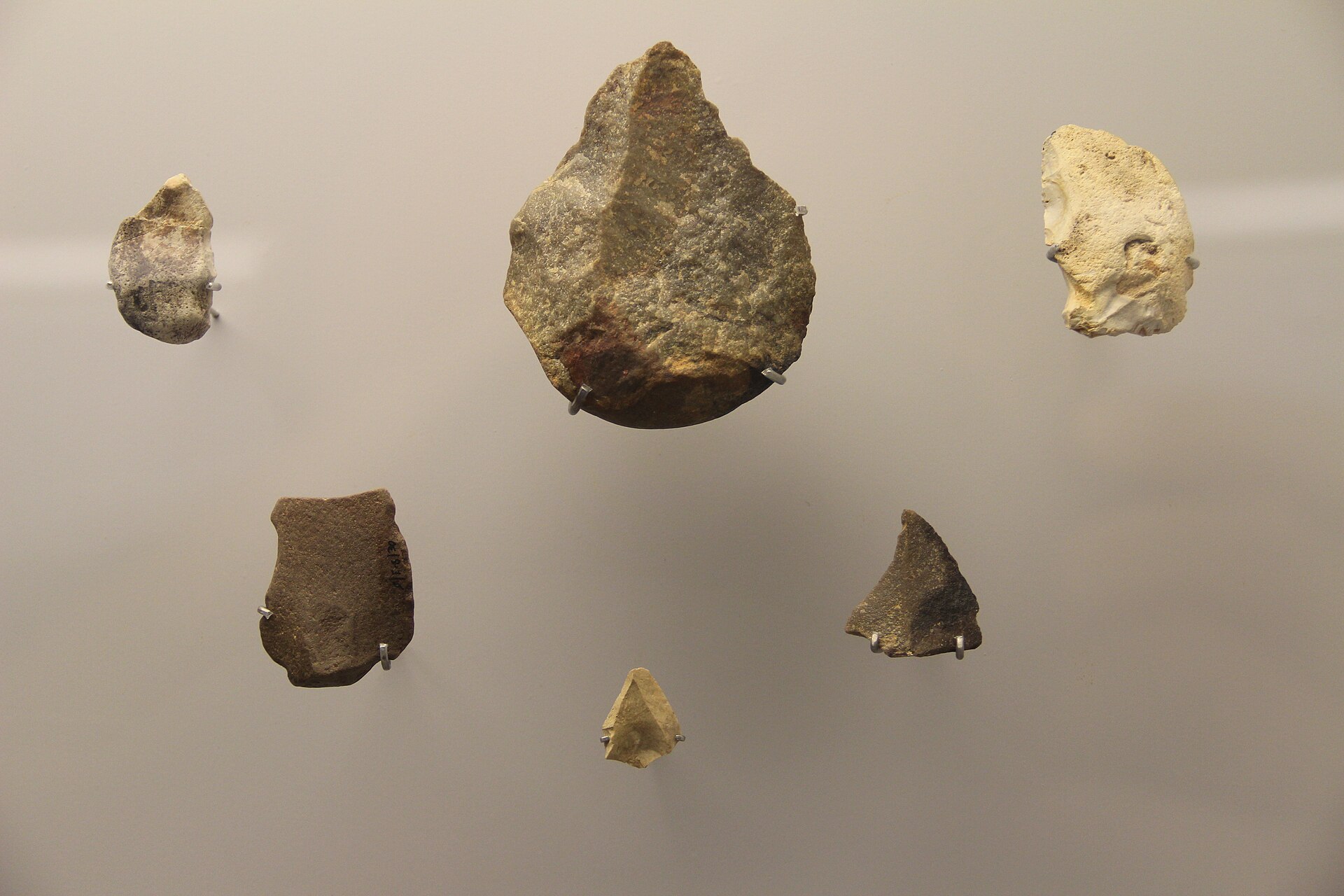
People sheltered here well before 10,000 BC. At some point thousands of years later, a rockfall sealed the cave's original entrance, and that collapse turned out to be a stroke of luck: it kept the tools, everyday objects, and wall paintings inside untouched until they were rediscovered in 1968. Most of the evidence of human presence points to the Magdalenian culture of the Upper Paleolithic, though the cave may have been used even earlier. Among the standout images are horses and other animals, drawn with techniques that cleverly use the natural contours of the rock to add volume and movement to the figures.
How do you get to Tito Bustillo Cave?
The cave sits right on the edge of Ribadesella, an easy stop just off the main Asturian coastal road. By car, the N-632 connects Ribadesella with Gijón, Oviedo, and other coastal towns. The regional FEVE train also stops in the town center, a short walk from the cave entrance. The nearest airport is Asturias Airport (OVD), roughly an hour's drive away.
What should you know before visiting?
Because the paintings are extremely sensitive to humidity, temperature, and light, only a limited number of visitors are allowed inside each day, and access is guided, in small groups only. A typical visit lasts about an hour and covers the main galleries where the paintings survive. Next to the cave, an interpretation center displays reconstructions, painting replicas, and background material on the discovery — a useful stop before heading into the cave itself.
When's the best time to visit?
The cave is open to visitors most of the year, aside from occasional closures for conservation work. Daily visitor numbers are capped, so booking ahead is worthwhile, especially in the busy summer months of July and August. Spring and early autumn are a good compromise if you'd rather skip the crowds while still enjoying Ribadesella's beaches and cliffs.
What else is worth seeing nearby?
Ribadesella itself is a well-liked seaside town, with a beach, a working fishing harbor, and an old quarter on the far bank of the Sella estuary. The wider area also holds other regional archaeological sites, plus the stretch of the Sella river famous for kayak descents and the annual Descenso del Sella canoe race.
Frequently asked questions
Can you visit Tito Bustillo Cave without a guide? No. Visits run only in small, guided groups with a capped number of visitors per day, to protect the paintings.
How long does a visit take? A standard visit lasts about an hour and covers the galleries with the preserved cave paintings.
Do you need to book tickets in advance? Yes — daily capacity is limited, particularly in summer, so booking ahead is strongly recommended.
What's the easiest way to reach the cave from Oviedo or Gijón? Driving along the N-632 coastal road is the most convenient option; the regional FEVE train to Ribadesella is a good alternative, with a short walk from the station to the cave.
Nearby places

Earn badges for the places you visit
Download NextOnTrip, discover new places and check off your trails.