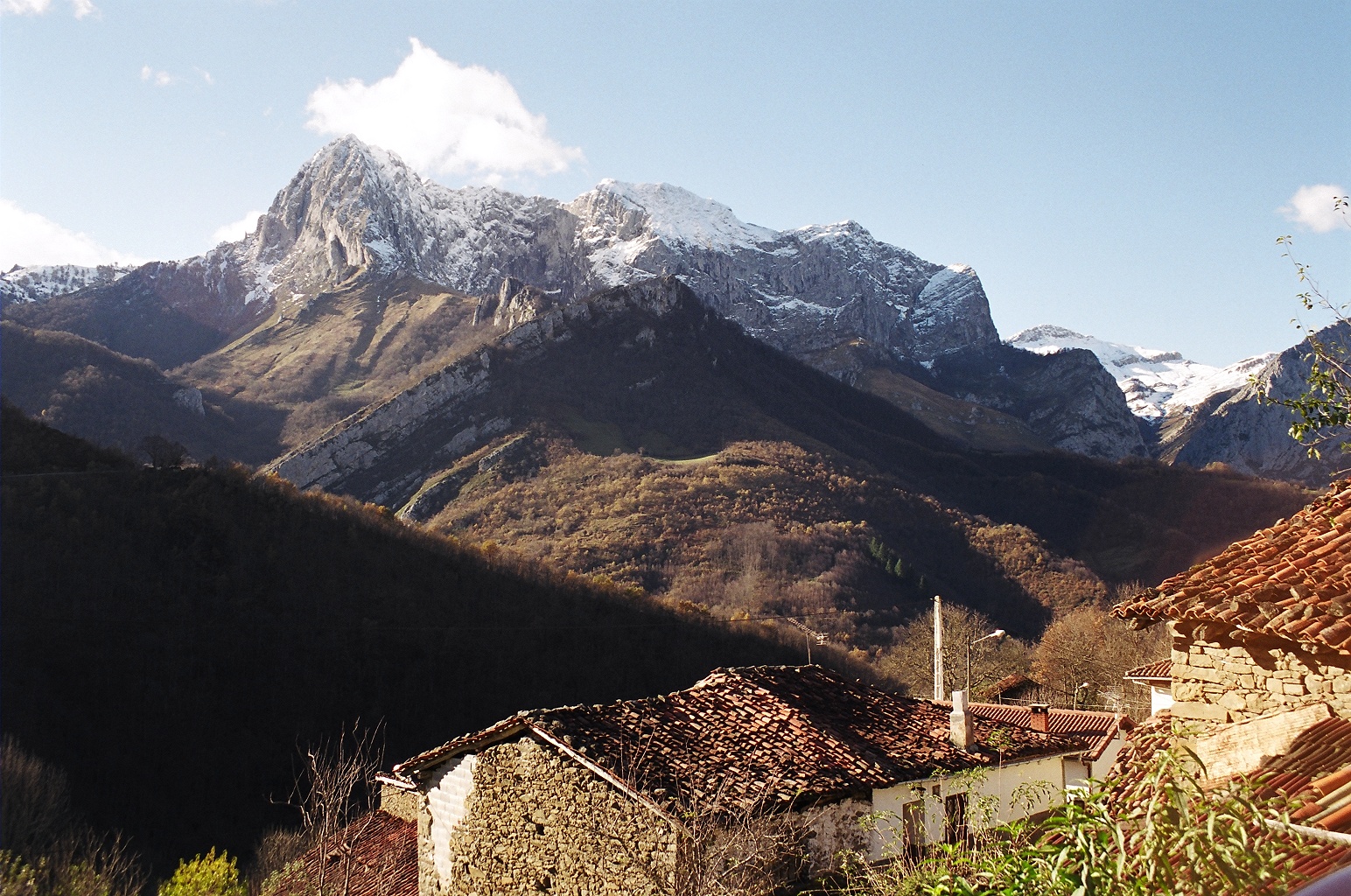
About this place
Ponga Nature Park is one of the best-preserved natural areas in Asturias, Spain, covering more than 20,500 hectares in the central-eastern section of the Cantabrian Mountains. The park's terrain is remarkably varied, with elevations ranging from just 300 metres in the river valleys to over 2,100 metres at the summit of Peña Ten. This contrast between deep, narrow gorges and high mountain ridges gives Ponga's landscape its distinctive, rugged character.
What landscapes define the park?
The most striking landscape features are two gorges: the Desfiladero del Ponga and the Desfiladero de los Beyos. These are narrow, deep river passes with very steep slopes that have long attracted hikers and landscape photographers. Most of the river valleys throughout the park are narrow, with sharply inclined slopes, making the terrain demanding but exceptionally scenic.
What grows and lives here?
As much as 37% of Ponga Nature Park's surface is covered by broadleaf forest — oak, birch, ash and alder grow here, but beech trees dominate above all. Ponga's beech forests are considered among the best preserved on the entire Iberian Peninsula. Within the park lies the Peloño Partial Nature Reserve, home to one of the largest continuous beech forest complexes in Asturias. This rich plant cover provides a natural refuge for numerous animal species, with red deer holding a special place among them — often described as the "king of the deciduous forest" — finding ideal conditions for life within the park's extensive woodlands.
Why does the park hold international recognition?
The high degree of conservation of the park's natural resources — geological, botanical and animal — led UNESCO to designate the Ponga area a Biosphere Reserve in 2018. This recognition confirms the exceptional environmental diversity of the region, representative of the central-eastern mountains of Asturias.
What is there to see and do in Ponga?
Nature, high-quality regional cheeses and thermal waters stand out as the park's three main attractions. Among the key points of interest are emblematic peaks such as Tiatordos and Pierzu, the aforementioned Peloño forest, the eco-museum in the village of San Juan de Beleño, and picturesque villages such as Viegu and Tarañes. Fast-flowing mountain rivers cross the park's territory and are popular for white-water activities.
Visitors planning a trip can start at the park's visitor centre, located in San Juan de Beleño. It houses a permanent exhibition offering an ideal introduction to the reserve's natural values and resources before heading out onto the trails. The rugged terrain and network of routes make Ponga particularly well suited to active tourism, from mountain hiking to wildlife watching and mountain biking.
Frequently asked questions
How large is Ponga Nature Park? The park covers more than 20,500 hectares in the central-eastern section of the Cantabrian Mountains.
What are the park's main natural attractions? The most distinctive features are the Desfiladero del Ponga and Desfiladero de los Beyos gorges, along with extensive, well-preserved beech forests, including the Peloño reserve.
Does the park have international protection status? Yes — in 2018 UNESCO designated the Ponga area a Biosphere Reserve.
What animals can be found in the park? The park is important habitat for red deer and numerous other species associated with broadleaf forests.
Nearby places

Earn badges for the places you visit
Download NextOnTrip, discover new places and check off your trails.