About this place
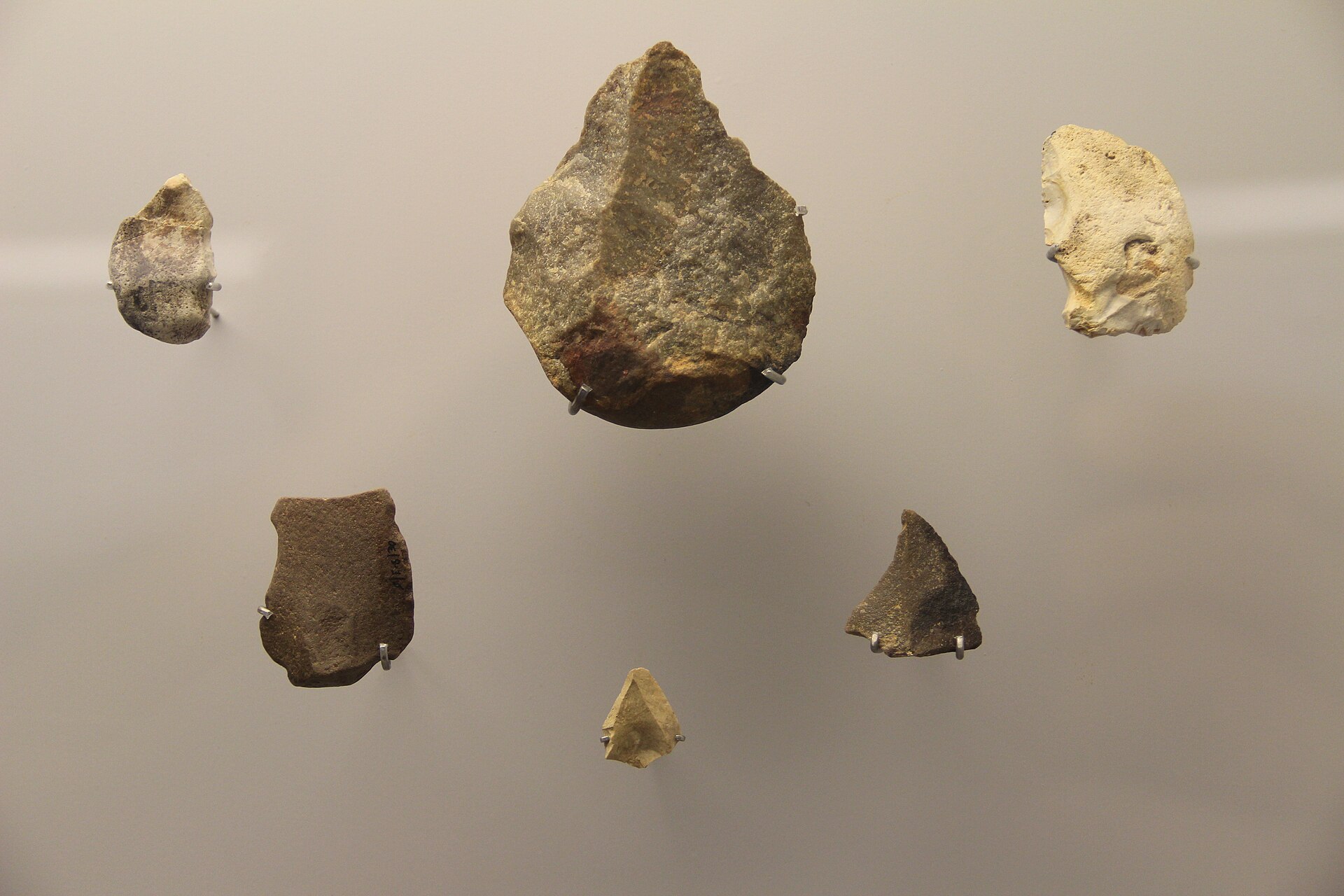
Sidrón Cave is a karst cave system in the municipality of Piloña, in Asturias, northwestern Spain. The site is best known as one of the world's most significant paleoanthropological locations — the resting place of fossilized remains from more than a dozen Neanderthal individuals, which made it a key reference point for research into this ancient human relative.
What makes this cave scientifically important?
Sidrón Cave formed within non-carbonate limestone rock, part of the karst landscape typical of the Asturian highlands. Traces of Paleolithic rock art survive inside, and decades of excavation work have produced one of the richest Neanderthal fossil collections on record — material that has allowed scientists to run DNA analyses and reconstruct family relationships and behaviors within this Neanderthal group. Because of its scientific and natural value, the surrounding area was granted Partial Natural Reserve status in 1995.
The cave also functions as a shelter for five species of bats, and researchers have described two beetle species previously unknown to science from within it. This combination shows that Sidrón Cave matters not only for archaeology but also as a microhabitat with real significance for local biodiversity.
Can visitors go inside the cave?
Given its protected-area status and the ongoing nature of scientific research at the site, the cave interior is not a general-access tourist attraction in the way a typical show cave would be. Visitors should approach Sidrón Cave primarily as a place of scientific and natural interest, and plan a trip around the surrounding landscape instead — the hills and villages of the Piloña municipality, characteristic of inland Asturias.
How do you get there?
Piloña sits in central Asturias, within easy reach of Oviedo and the Cantabrian coast. The most practical way to reach the area is by car, following local roads that run into the valley and connect to the main routes linking Oviedo with the eastern part of the region. The surrounding area has several small towns that make good starting points for exploring the hills around the reserve on foot.
When is the best time to visit?
Asturias has an oceanic climate — mild but humid, with rainfall spread across the year. Spring and early autumn offer the most comfortable conditions for exploring the area and hiking near the reserve, with moderate temperatures and Piloña's green hills at their best. Summer brings warmer weather but also busier trails across the wider region.
What else is worth seeing nearby?
The Piloña municipality and central Asturias more broadly showcase the classic foothill landscape of the Cantabrian Mountains — meadows, deciduous woodland, and river valleys. It makes a solid base for exploring the region's natural and cultural character, away from the busier spots along the coast.
Frequently asked questions
Can you go inside Sidrón Cave? Access to the interior is restricted because of its natural reserve status and ongoing scientific excavation — it is not set up for casual public visits the way a standard show cave would be.
Why is Sidrón Cave so important scientifically? It's one of the key sites where fossilized remains of more than a dozen Neanderthals were found, giving researchers material for detailed genetic and anthropological studies of the species.
What wildlife lives around the cave? The cave shelters five species of bats, and two beetle species previously unknown to science were first described from specimens found inside it.
Where exactly is the cave located? Sidrón Cave is in the Piloña municipality in central Asturias, northwestern Spain, within an area protected since 1995 as a Partial Natural Reserve.
Nearby places

Earn badges for the places you visit
Download NextOnTrip, discover new places and check off your trails.