About this place
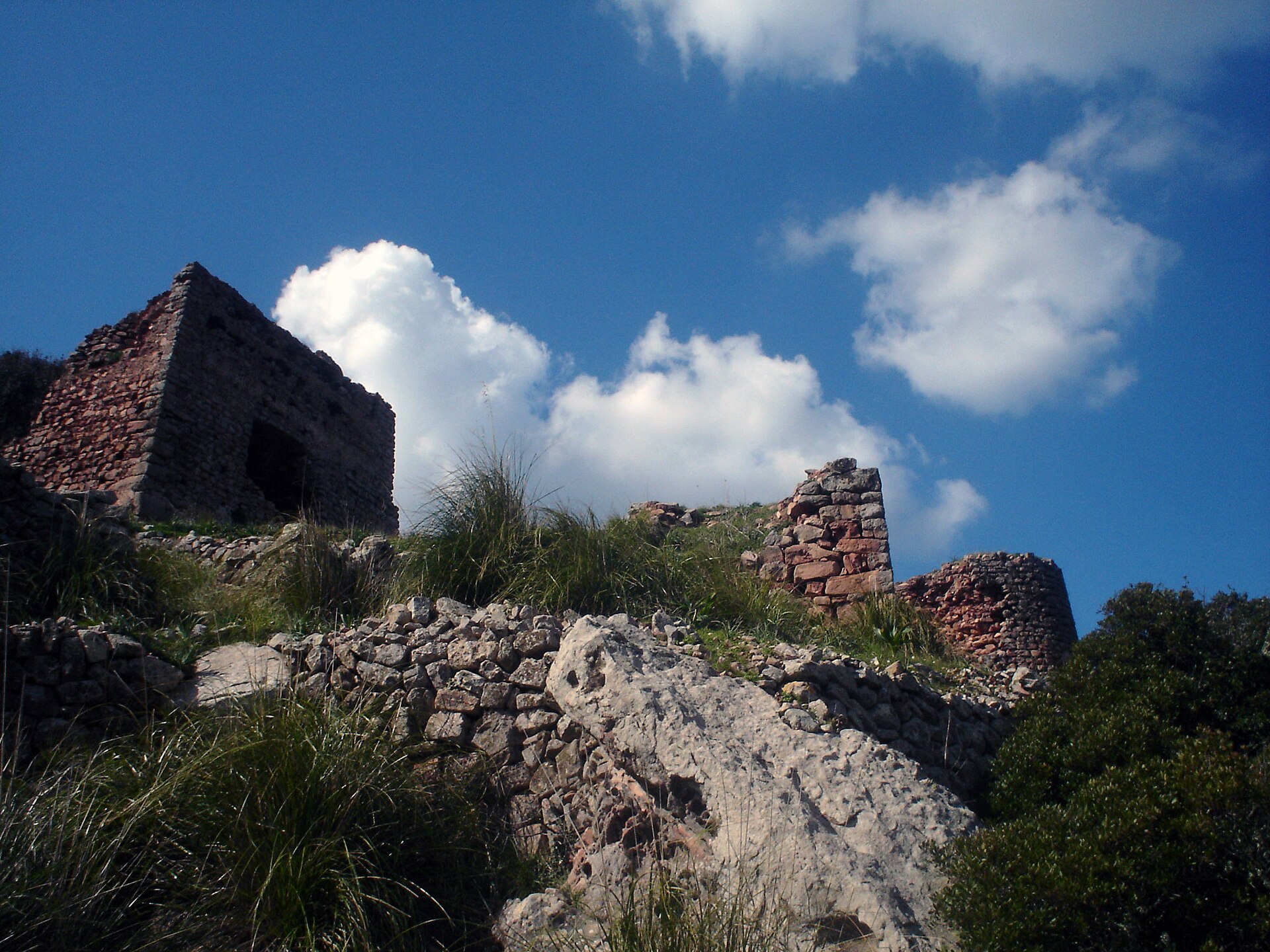
Son Mercer de Baix is one of the most significant archaeological sites on Menorca, located in the municipality of Ferreries on the edge of the Son Fideu ravine. It is widely regarded as the island's most representative naviform settlement — a cluster of dwellings with a distinctive boat-shaped floor plan, built from massive, roughly hewn stone blocks using cyclopean construction techniques.
What is a naviform settlement?
The term "naviform" describes a building shape resembling an upturned boat: an elongated structure, rounded at one end, with a single entrance. These constructions served both residential and functional purposes, and their walls of huge boulders, partly set into the bedrock, have survived for millennia thanks to the sheer mass of the material used. Son Mercer de Baix brings together several such dwellings standing side by side, offering a rare view into the layout of a small, tightly organized community that predates the full Talayotic period.
How long was the settlement in use?
The site's occupation spans from the Early Bronze Age, around 1400 BC, through to the beginnings of the Talayotic culture, roughly 1000 BC. This means the settlement was inhabited across several centuries, during the transition from pre-Talayotic society to the fully developed Talayotic civilization that would later come to define Menorca's landscape with its characteristic stone towers (talayots) and other monumental structures.
Why is the location so distinctive?
The settlement sits above the edge of the Son Fideu ravine, an area of notable scenic beauty where the greenery of the valley floor contrasts with the dry, stony plateau typical of the island's interior. This cliff-edge position was no accident: it gave the inhabitants natural shelter and a vantage point over the surrounding land, while still granting access to water and the more fertile ground below.
What is its significance for Menorcan archaeology?
Son Mercer de Baix is frequently cited in academic literature as a key reference point for reconstructing the evolution of Menorca's pre-Talayotic culture, alongside another major site, Morellet. Research carried out at both locations has allowed scholars to trace how simpler forms of settlement gradually gave way to more complex social and architectural organization, a process that eventually culminated in the monumental talayots.
The site forms part of the broader Talayotic heritage of Menorca — across a surface of only around 700 km², the island preserves more than 1,500 sites from this era, an extraordinary concentration by European standards. This density and the state of preservation of the monuments led to the inscription of Talayotic Menorca on the UNESCO World Heritage List.
What should visitors know before going?
Son Mercer de Baix stands on private land but is open to visitors, reached via a walking route through the countryside near Ferreries, amid a landscape of dry-stone walls and grazing pastures typical of rural Menorca. Visitors can get close to the surviving foundations and walls of the naviform dwellings and take in views over the Son Fideu ravine, making it a rewarding stop for both history enthusiasts and anyone looking for a quiet inland walk away from the busier coastal spots.
Frequently asked questions
What is a naviform settlement? It is a type of prehistoric dwelling typical of Menorca, with a floor plan resembling an upturned boat, built from massive stone blocks.
What period does Son Mercer de Baix date from? The settlement was occupied from around 1400 BC until the early Talayotic period, roughly 1000 BC.
Why is this site important to researchers? It helps trace the transition from pre-Talayotic to Talayotic culture and is one of the key reference sites alongside Morellet.
Can the site be visited? Yes, although it lies on private land, it is accessible to visitors via footpaths in the Ferreries countryside.
Nearby places

Earn badges for the places you visit
Download NextOnTrip, discover new places and check off your trails.