Save this place and discover nearby attractions with NextOnTrip
In the app you can add it to your favorites, see what else is worth visiting nearby on the map, and earn a badge for your visit.
The app is available for iPhone and Android.
About this place
São Cucufate Archaeological Site (Sítio Arqueológico de São Cucufate) sits in Vila de Frades, in the municipality of Vidigueira, Beja District, Alentejo. It preserves the ruins of a large Roman agricultural estate, ranks among Portugal's most significant Roman remains, and has been a National Monument since 1947.
What is São Cucufate?
The site is a group of Roman villas, meaning big farming estates that doubled as the owner's showpiece residence. The first building phase dates to the 1st century AD, yet most of the walls standing today belong to the 3rd or 4th century. By the 5th century the complex had been abandoned entirely. People used the spot far earlier, though: traces of occupation go back to the end of the 4th millennium BC.
A Portuguese-French team excavated the site between 1997 and 2004. Academic publications describe it as the only Roman villa in Portugal investigated in its entirety, and one of its buildings counts among the best-preserved examples of a palatial-style villa.
Where does the name come from?
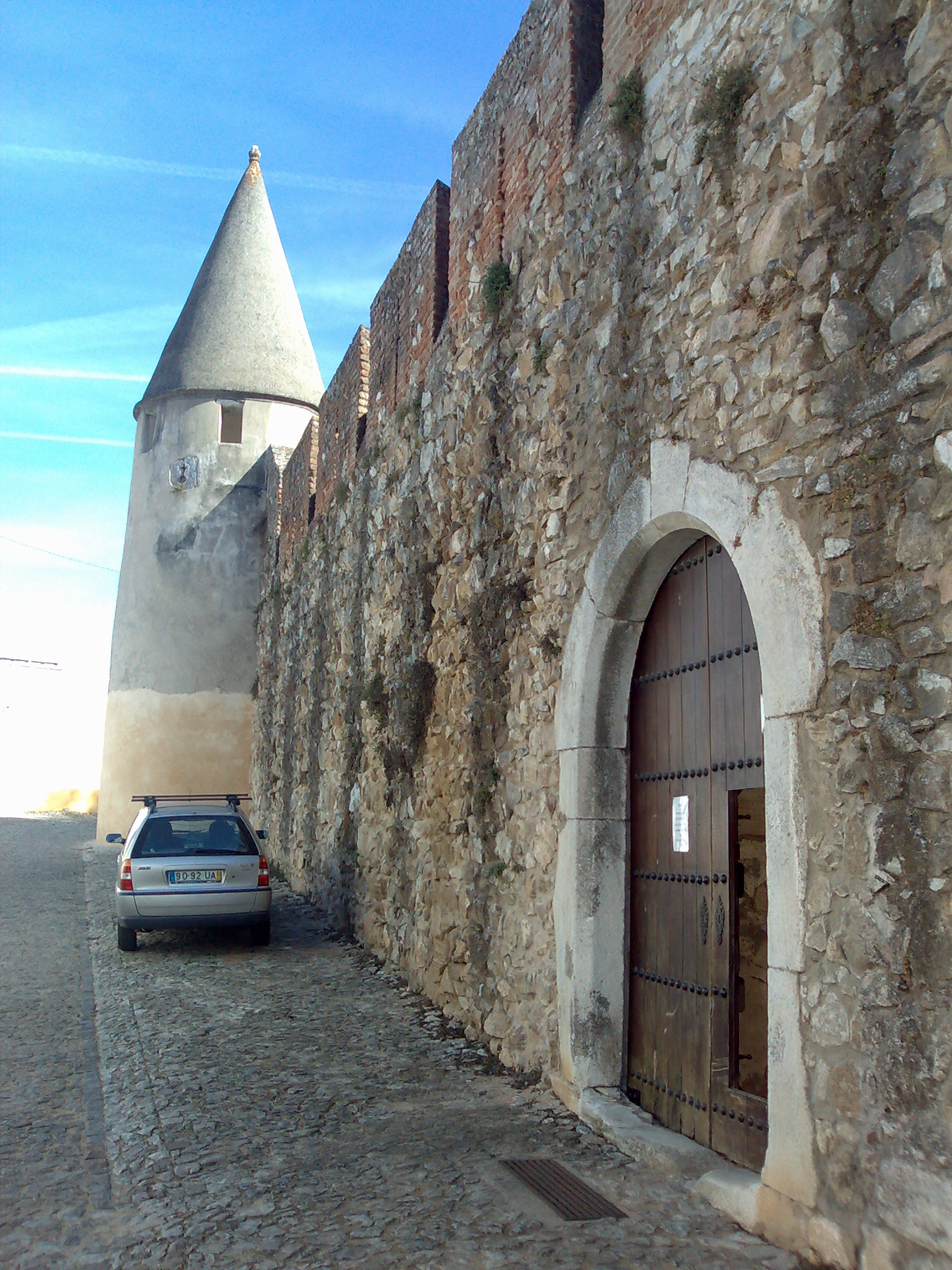
A monastery later rose over the Roman remains and gave the place its name. Augustinian canons lived there first, followed by Benedictines, and the community left in the 17th century. The former monastery is also known as the Ruínas de Santiago, and its medieval walls form part of the site you walk through today.
What can you see?
Tall brick-and-stone walls reveal the layout of a working villa: residential quarters, farm buildings and fragments of the later monastic structures. The surroundings of Vidigueira have been known for wine, grain and olive oil since Roman times, so the ruins fit the local farming story well. In Vila de Frades itself, winemakers still ferment in clay amphorae (vinho de talha), a method with ancient roots.
When to visit and how does it work?
The site is run by Portugal's national heritage authority. According to its official ticketing page, from 2 May to 15 September it opens Tuesday to Saturday (closing at 6:30 pm), and from 16 September to 30 April Tuesday to Sunday (closing at 5:30 pm). It is closed on Mondays and on several public holidays. The same page notes free admission while the archaeological area is being upgraded, so check hours and fees shortly before you go. Summers in the Alentejo are very hot; spring, autumn or early-morning visits are more comfortable.
Frequently asked questions
Where is São Cucufate?
In Vila de Frades, municipality of Vidigueira, Beja District, in the Alentejo region.
How old are the ruins?
The first villa dates to the 1st century AD, and most surviving walls come from the 3rd to 4th century. A monastery was added later.
Is there an entrance fee?
The official page mentions free entry during renovation works. Confirm current rules before visiting.
Is it the same as the São Cucufate monastery in Beja?
No. This site is in Vila de Frades and has its own Roman and monastic history.
Nearby places


Earn badges for the places you visit
Download NextOnTrip, discover new places and check off your trails.