About this place
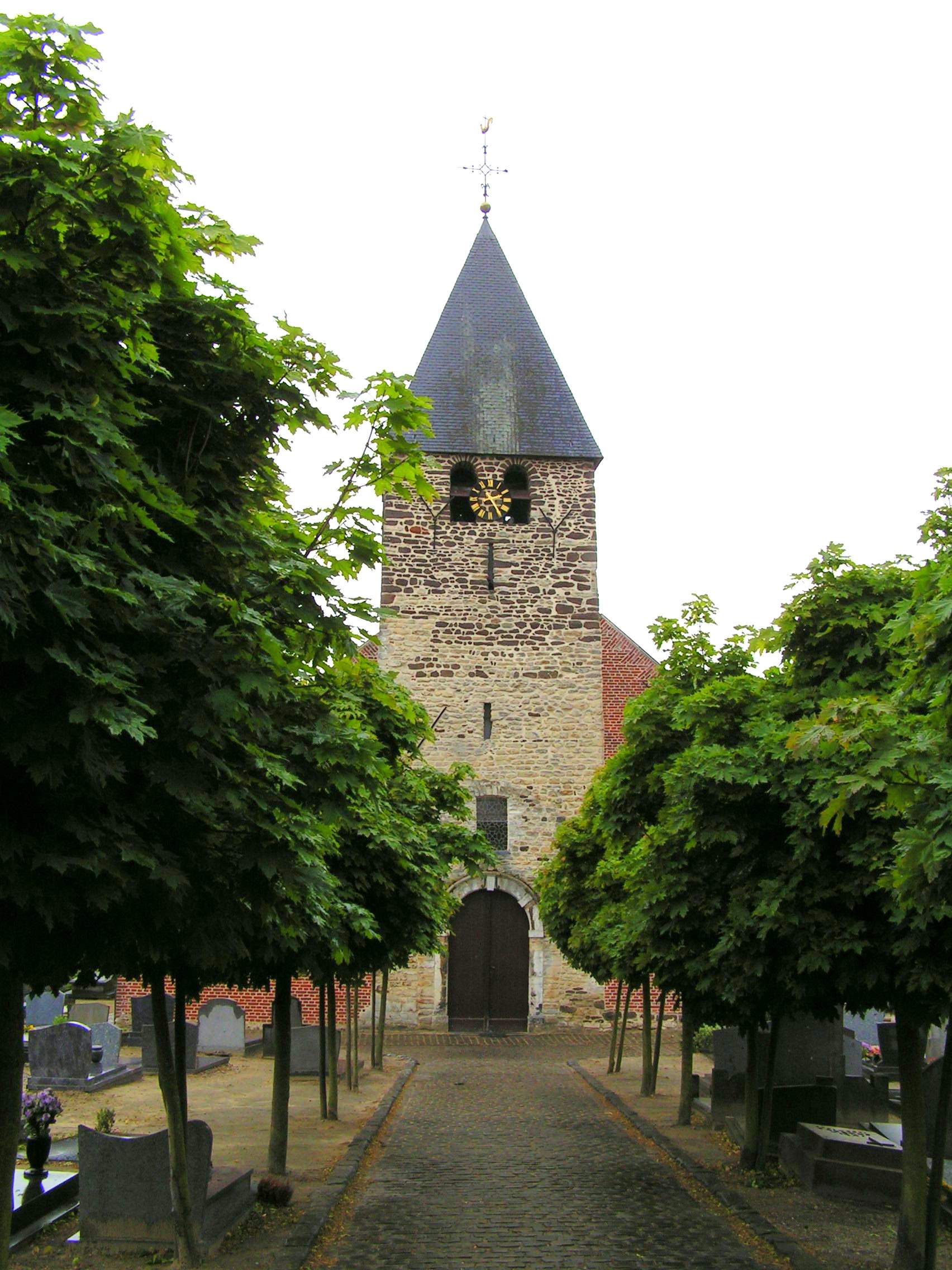
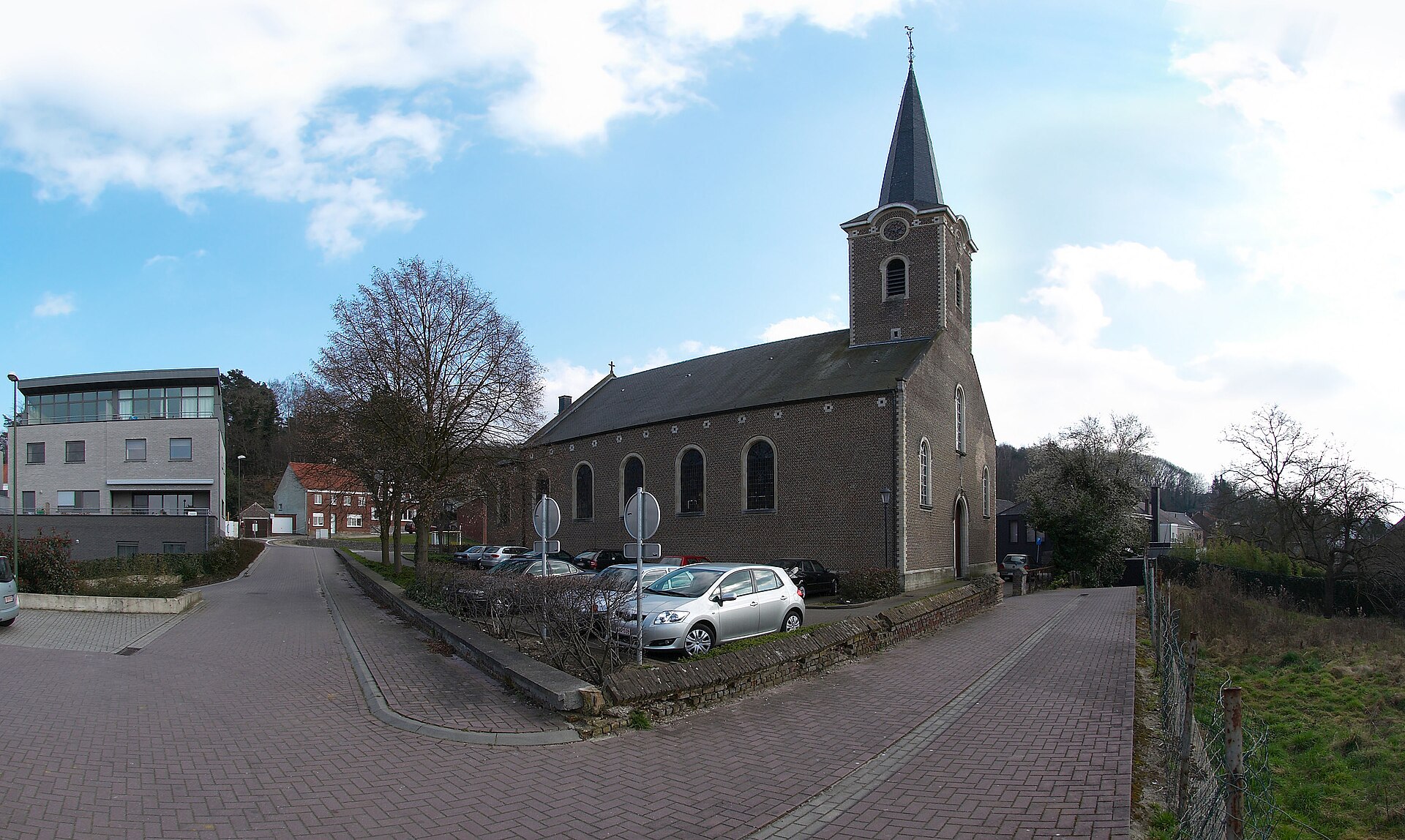
Sint-Annakerk is the parish church of Oud-Heverlee, a village in the Belgian province of Flemish Brabant, standing at the junction of Dorpsstraat and Oude Pastoriestraat. The building brings together traces of several construction periods and remains an active center of the local parish community today.
How old is the church, really?
The oldest surviving element is a Romanesque tower dating from the 11th century, built from sandstone and blocks of ferruginous sandstone and topped with a distinctive tent roof. This tower is the only direct link to the original medieval church that once stood on the site, long before the rest of the current building took shape.
Why is the layout of the church reversed?
Sint-Annakerk has an unusual reversed orientation: the choir sits on the western side of the building, while the tower stands to the east — the opposite of the traditional arrangement in which the altar faces east. The structure itself consists of a tower integrated into the building's mass, a three-aisled nave of four bays, and a tall, elongated choir closed off by an apse.
What changed in the 18th and 19th centuries?
The nave, side aisles, and choir date from the 18th and early 19th centuries. In 1758, the nave was rebuilt in a classicist style and extended with two side aisles, giving the church the overall form still visible today. As a result, a medieval tower and a much later, classicist nave now share a single building.
What details are worth noticing inside?
The interior holds several symbolically charged carved details. A confessional inside the church is decorated with a wooden dragon, representing the power of evil over which the sacrament of confession triumphs. The church also features a depiction of a pelican, a traditional symbol of self-sacrifice associated with the figure of Christ, referencing the old legend of the bird feeding its young with its own blood.
What surrounds the building?
On its northern, eastern, and southern sides, Sint-Annakerk is enclosed by a walled historic churchyard. This arrangement — a church ringed by a walled cemetery — is typical of rural parishes in this region and reflects the fact that the site has served, for centuries, not only a religious function but also a social one, as the focal point of the local community.
Where exactly is it located?
The church stands at the heart of Oud-Heverlee, at Dorpsstraat 54, directly adjacent to Oude Pastoriestraat. Its geographic coordinates are approximately 50.8383°N, 4.6625°E, placing it in a quiet, rural part of Flemish Brabant not far from Leuven.
Frequently asked questions
Is Sint-Annakerk a protected heritage site? Yes, the church together with its churchyard is listed as a heritage object (parochiekerk Sint-Anna met kerkhof) in the Belgian inventory of immovable heritage.
What is the oldest part of the building? The 11th-century Romanesque tower, the only surviving fragment of the original medieval church on this site.
Is the church still used as a parish church? Yes, Sint-Annakerk remains an active parish church serving the village of Oud-Heverlee.
Why does the tower stand on the east side instead of the west? This is a result of the building's reversed orientation, with the choir placed to the west and the tower to the east — a departure from the typical eastward placement of the altar in church architecture.
Nearby places

Earn badges for the places you visit
Download NextOnTrip, discover new places and check off your trails.