About this place
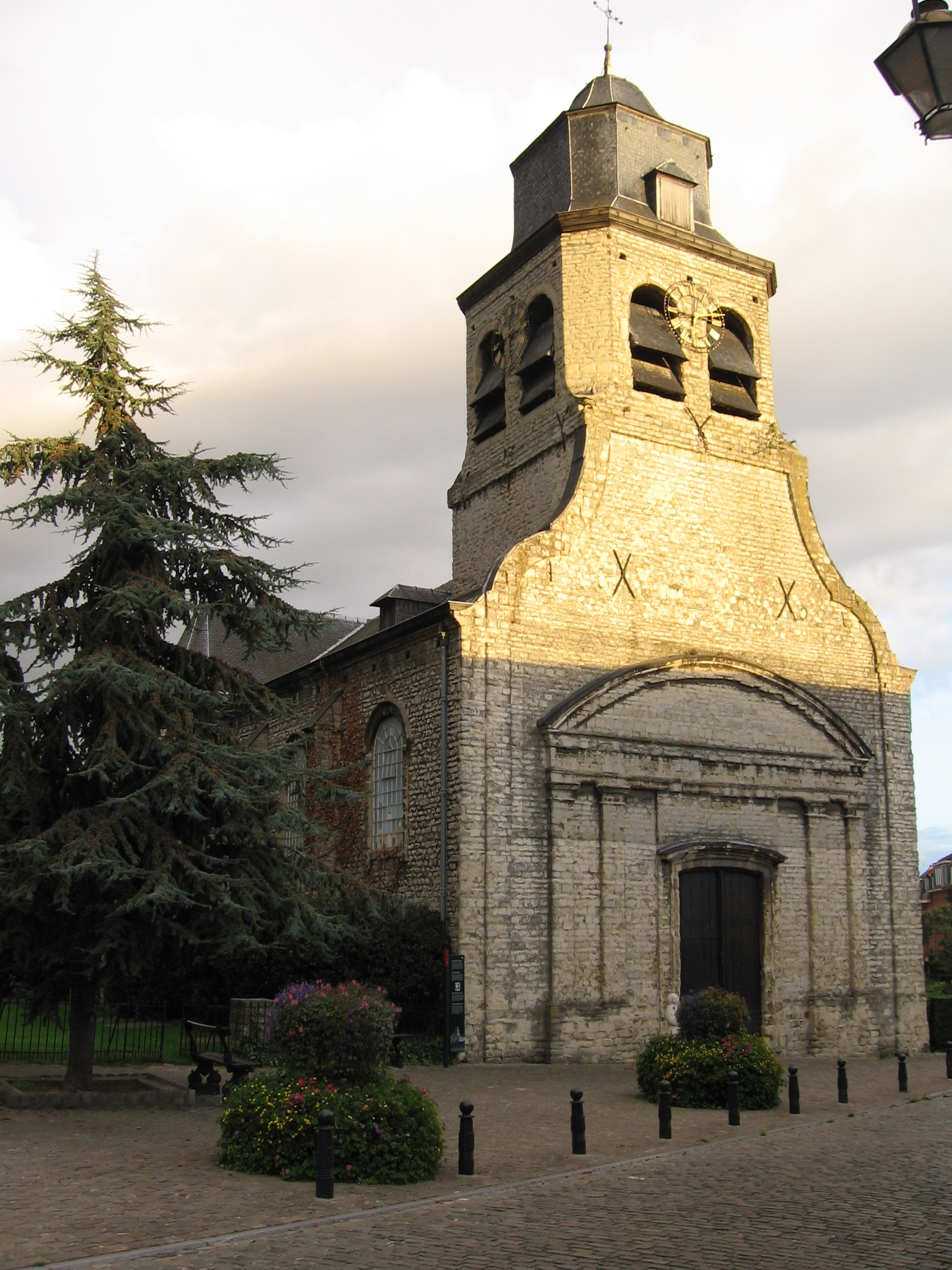
Sint-Amandskerk is the parish church of Strombeek-Bever, a sub-municipality of Grimbergen in the Flemish Brabant province of Belgium. Built in two distinct phases during the second half of the 19th century, it stands as an example of neo-Gothic religious architecture in the region.
When was the church built?
Construction began in 1869 under architect Eugeen Gife, who built the sacristies, the priest's choir and the transept of this three-aisled neo-Gothic church. In 1882, architect Gustave Hansotte took over the project, directing the construction of the central nave, the side aisles and the tower. The work was not completed until 1895, meaning the church's construction spanned more than a quarter of a century and involved two generations of builders working from different plans.
What materials define its appearance?
The church was built as a three-aisled, non-oriented cruciform building, constructed from dark brick contrasted with light-colored stone. This combination of materials was typical of neo-Gothic church architecture in Belgium during this period and gives the building a striking two-tone appearance that remains visible from the outside today.
What was discovered beneath the earlier church?
During the demolition of the older Sint-Amandskerk that had previously stood on the site, workers found the foundations of a Roman villa along with fragments of roof tiles beneath the choir. This discovery shows that the site was inhabited and used as early as Roman times, long before the present church was built, making the location significant from an archaeological standpoint as well as a religious one.
What can visitors see inside?
The interior holds sculptures depicting Saint Amandus and the Virgin Mary with Child, alongside a Flemish painting dating from 1650. These works connect older regional sacred art traditions with the 19th-century architecture of the building that now houses them.
Who was Hendrik van der Noot and how is he connected to the church?
A gravestone belonging to Hendrik van der Noot (1731-1827) survives in the wall of the church's former churchyard. After his defeat in the Brabant Revolution, van der Noot lived in a small castle near the church. His presence at this site links the history of the local parish to the broader political events that shook the region at the end of the 18th century.
What is planned for the church's future?
The municipality of Grimbergen, which Strombeek-Bever belongs to, has developed plans to give the building a new purpose. The proposal envisions setting up a library inside the church while still maintaining a liturgical space for worship services. This approach aims to reconcile the church's continued religious function with a new, publicly accessible role for the community.
Frequently asked questions
Where is Sint-Amandskerk located? In Strombeek-Bever, a sub-municipality of Grimbergen in the Flemish Brabant province of Belgium.
Who designed the church? Construction started in 1869 under architect Eugeen Gife, and continued from 1882 under Gustave Hansotte, who completed the building in 1895.
What architectural style does the church represent? Neo-Gothic, reflected in its three-aisled cruciform layout and the contrast between dark brick and light stone.
What was found during the demolition of the earlier church? The foundations of a Roman villa and fragments of roof tiles beneath the former choir.
Nearby places

Earn badges for the places you visit
Download NextOnTrip, discover new places and check off your trails.