About this place
The Simón Bolívar Museum in Ziortza-Bolibar traces the Basque roots of the family behind one of Latin America's most famous names. This small village in Biscay, now merged administratively with neighbouring Cenarruza, was once known as La Puebla de Bolívar — and according to genealogical tradition, it is from here that the ancestors of Simón Bolívar, Venezuela's independence leader known as "El Libertador," originally came.
Why does this village matter to Bolívar's story?
Historians trace the connection back to Simón Bolívar "the Elder," the Liberator's great-great-great-grandfather, whose family is believed to have lived in this valley before emigrating to South America in the 16th century. The museum opened its doors on 24 July 1983 — exactly two hundred years after Bolívar's birth on 24 July 1783 — a date chosen deliberately to mark the anniversary.
What's inside?
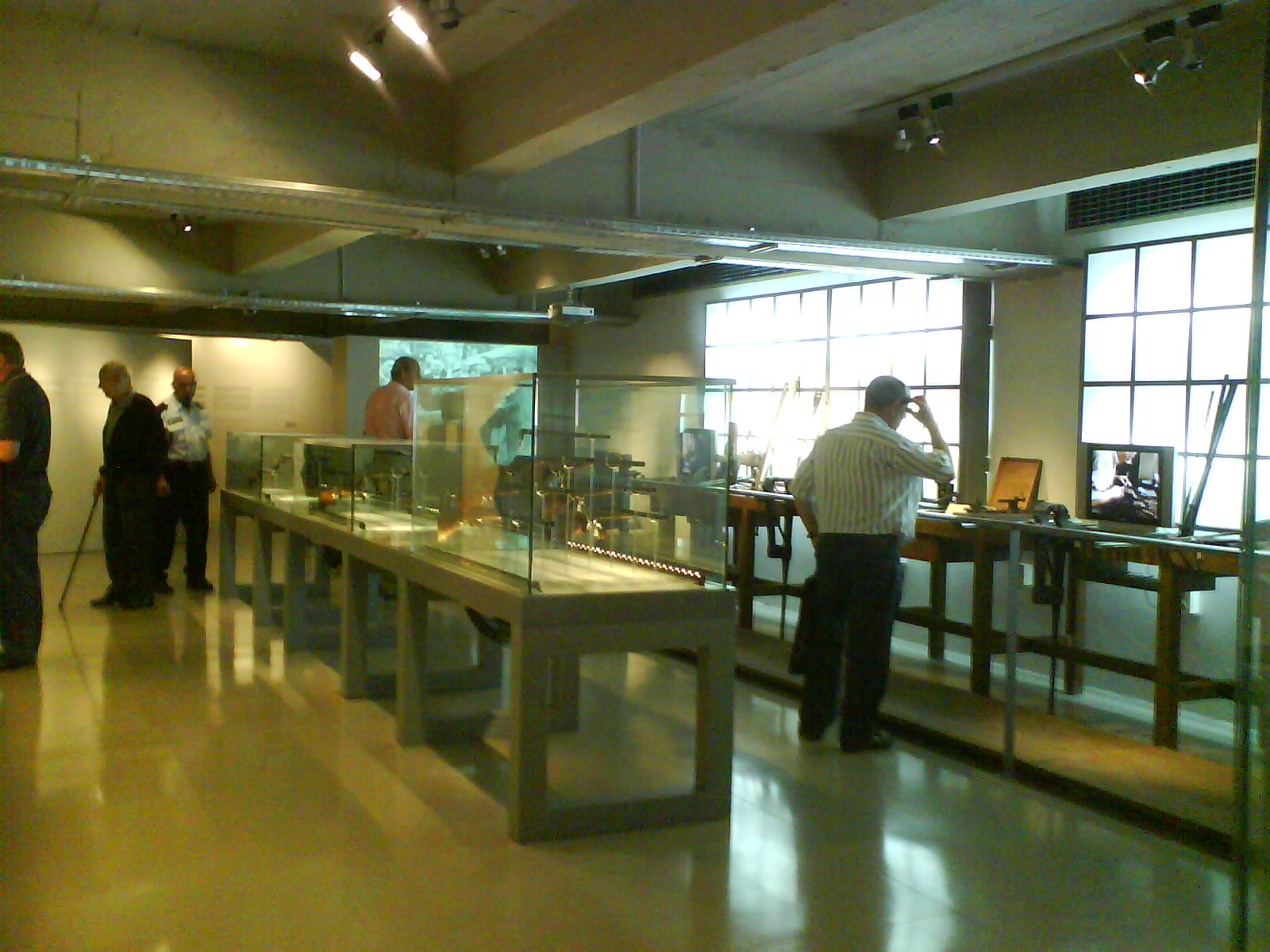
The museum occupies Errementarikua, a restored Basque farmhouse standing right on the Camino de Santiago pilgrim route. The exhibition unfolds across two floors, moving from local medieval history to a continent-spanning legacy:
- Ground floor — a walk through the Middle Ages in this part of the Basque Country: everyday rural life, the role of the local church, the ironworking economy (the region's traditional ferrerías), and the founding of the town itself.
- First floor — dedicated entirely to Simón Bolívar: his biography, a genealogy chart linking him back to this Basque valley, an account of his travels through Europe, and a map of the so-called "Bolivarian" nations — Venezuela, Colombia, Ecuador, Peru, Bolivia and Panama — that owe their independence to him.
The entrance hall greets visitors with Bolivarian iconography: statues, portraits and symbols that hint at just how deeply his image is woven into Latin American identity today.
How do you get there?
Ziortza-Bolibar sits inland in Biscay, in the Lea-Artibai valley, close to the town of Markina-Xemein. A car is the most practical option — the museum stands directly on the Camino de Santiago, making it a natural stop for pilgrims and hikers crossing this stretch of the Basque Country. Bilbao, the nearest major city, is roughly an hour's drive away.
When should you visit?
The museum runs on a seasonal schedule with limited opening days, so it's worth checking current hours before setting out, since they shift through the year. Spring and early autumn are particularly good times to pair the museum visit with a walk through the surrounding hills and valleys — countryside that looks much as it did when Bolívar's ancestors lived there.
What else is worth knowing about the area?
The Lea-Artibai valley has a long tradition of ironworking and blacksmithing, which the museum covers in its medieval section — a reminder that this is not only a story about one family, but about an economy that shaped this corner of Biscay centuries before the Liberator was even born.
Frequently asked questions
Was Simón Bolívar born in Ziortza-Bolibar? No. Bolívar was born in Caracas, Venezuela. The village's connection to him is genealogical — his ancestors are believed to have emigrated from here to the Americas in the 16th century.
How long does a visit take? Given the modest size of the building, most visits last around 45 to 60 minutes, depending on how much time you spend with the historical displays.
Are the exhibits available in languages other than Basque and Spanish? Regional museums in the Basque Country typically present labels bilingually in Basque and Spanish, with some material also available in English — it's worth confirming this ahead of your visit.
Can this be combined with walking the Camino de Santiago? Yes — the museum sits directly on the pilgrim route, making it a convenient stop for anyone walking this section of the Camino through Biscay.
Nearby places

Earn badges for the places you visit
Download NextOnTrip, discover new places and check off your trails.