About this place
Nautilus is a small geological interpretation centre in Mutriku, a fishing town on the Basque coast. It displays fossils gathered from the nearby Black Flysch and explains what this stretch of coastline looked like millions of years ago, when it lay beneath a prehistoric sea.
What's inside?
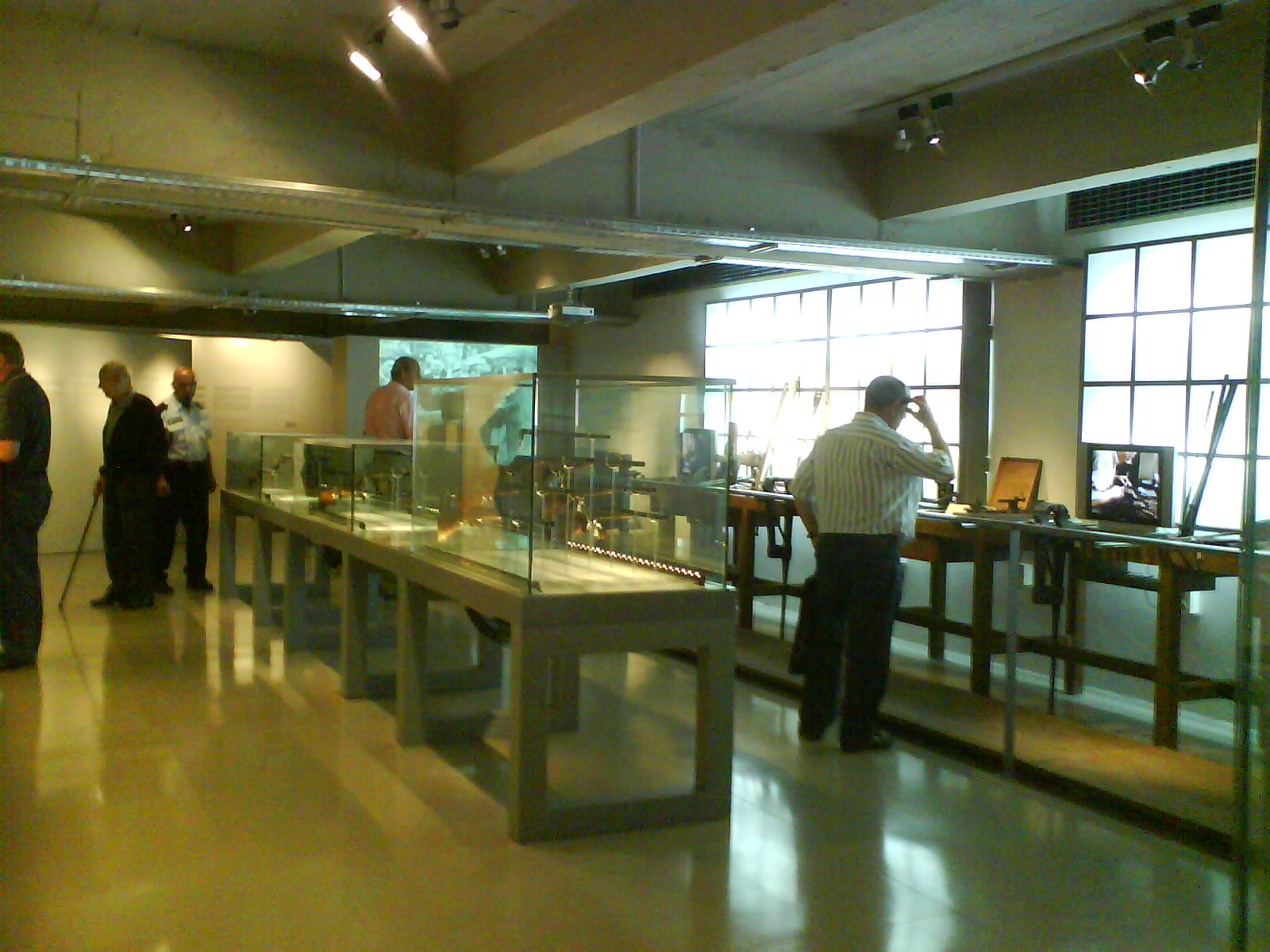
The core of the collection is ammonites and other fossils from the Mesozoic era — the age of the dinosaurs. The specimens come from forty years of fieldwork by a married couple, Jesús M. Narváez Amasorrain and Esperanza Azkárraga, who combed the shoreline and assembled one of the more significant private fossil collections anywhere. Alongside the ammonites, the display also includes fossilised pine cones and other plant remains.
The centre is compact and clearly built with families in mind: colourful panels describe the flora and fauna of the period, and a short audiovisual presentation (in Spanish and Basque) walks visitors through 120 million years of local geological history, from deep prehistory up to the present coastline.
Why here, in Mutriku?
The coast around the town belongs to the Basque Coast Geopark (Geoparkea), a UNESCO-recognised area known for its exposed rock layers, the Flysch. Sea erosion continually cuts into the cliffs, revealing sediment layers from different eras — and the fossils that turn up in them are exactly what ends up in the Nautilus collection. The centre is part of the wider Basque Coast Museum Network, a group of similar small museums spread across the geopark.
Getting there and when to go
Nautilus sits in the centre of Mutriku, at Jose Antonio Ezeiza kalea 3, an easy walk from the harbour. It doesn't keep daily hours — it opens on weekends, on specific dates, and more regularly during the summer season — so it's worth checking current opening times by phone or with the local tourist office before heading over. Guided visits can be arranged for schools and groups, and these are often bundled with other activities in the area, such as a trip to Saturrarán beach or a boat excursion along the coast.
Who is it for?
Given its modest size and accessible approach, Nautilus works well for families with kids curious about dinosaurs and fossils, and for anyone exploring the Basque Coast Geopark who wants context for the cliffs and rock formations they're seeing along the way. A visit typically takes thirty minutes to an hour and pairs naturally with the rest of Mutriku — its harbour, lighthouse, and the wave-power plant nearby.
Frequently asked questions
Is Nautilus a full museum or just a small exhibit? It's officially a geological interpretation centre — smaller than a full museum, but with a properly curated display and audiovisual material, so in practice it functions like a compact themed museum.
Do you need to book in advance? Individual visitors can generally walk in on open days without booking, but schools and groups should arrange a guided visit ahead of time.
Can it be combined with other things to do nearby? Yes — visits are often paired with a trip to Saturrarán beach, a coastal boat tour, or independent exploration of the nearby Flysch formations.
What language is the audiovisual presentation in? The video presentation is shown in Spanish and Basque (Euskera).
Nearby places

Earn badges for the places you visit
Download NextOnTrip, discover new places and check off your trails.