About this place
Makina Erreminta Museoa (the Machine Tool Museum) in Elgoibar is one of the few places in Europe where century-old machinery still runs in front of visitors. The museum opened its doors in 1998, though the project began taking shape back in 1992, alongside the launch of the local Machine Tool Institute — a fitting origin for a town long recognized as one of Spain's leading machine tool producers.
What will you see inside?
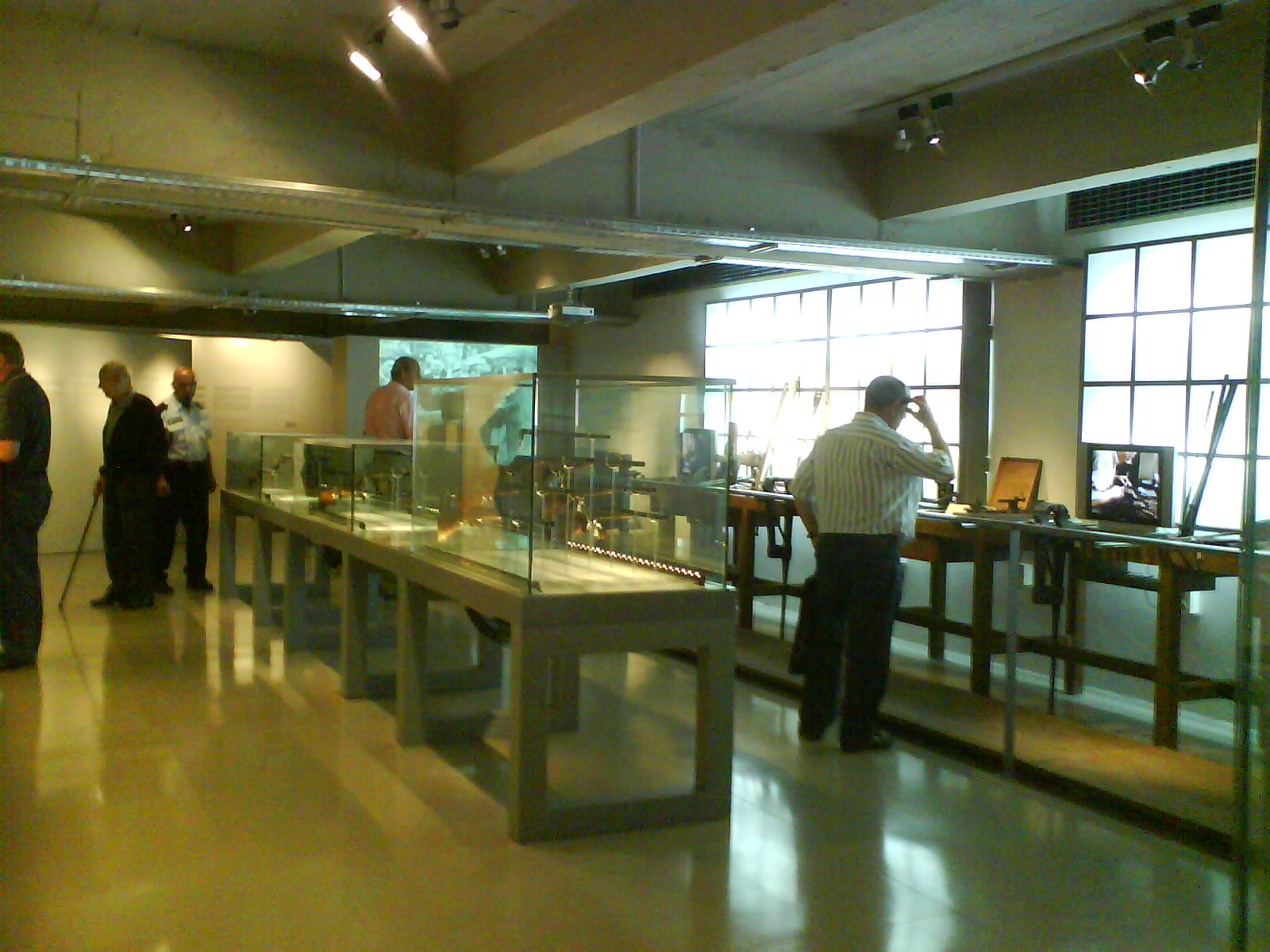
The centerpiece of the visit is a reconstructed early-20th-century mechanical workshop, housed in a former industrial building. Rather than static display cases, visitors walk into a hall of more than 60 fully operational machines — lathes, milling machines, shapers, and drills — many of which can still be switched on and watched in motion. That working condition is what sets this museum apart from a typical technology exhibit: nothing here is frozen behind glass, and the pace of an old-fashioned workshop feels genuinely alive.
A separate section is dedicated to the forge, showcasing traditional metalworking techniques that predate industrial automation. The museum also houses an exhibition room named after Patxi Aldabaldetrecu, gathering more than 250 photographs that document the region's industrial past — workers' faces, factory interiors, and everyday scenes from a town shaped by metalworking.
Among the most valuable historical pieces is the Lamot Engraving from 1756, a document depicting craft guilds, production organization, and the arms industry in 18th-century Spain. It's a striking reminder that the region's metalworking tradition runs far deeper than the era of modern machine tools — the earliest traces of ironworking around Elgoibar are linked to an Iron Age settlement known as Moru, dated to roughly 900–500 BC.
How do you get there?
The museum is located at Azkue Bailara 1, 20870 Elgoibar, in the Basque Country's Gipuzkoa province. Elgoibar sits in the Bajo Deba (Deba Behea) area, well connected to both Donostia-San Sebastián and Bilbao, each usually under an hour away by car or regional train. For anyone tracing the Basque Country's industrial heritage, Elgoibar makes a natural stop alongside nearby towns known for their craft and manufacturing traditions.
When should you visit?
The museum works best as part of a longer stay in Gipuzkoa, paired with a walk through Elgoibar itself and the surrounding towns of the Deba Valley. Given the nature of the exhibits — running machines, a full workshop, a working forge — it's especially rewarding for anyone interested in the history of engineering and craft, but families tend to enjoy it just as much: watching machinery actually work usually leaves a stronger impression than reading labels next to a static display.
Accessibility
The museum's interior is designed for wheelchair users, with walkways and exhibition spaces built for full accessibility.
Frequently Asked Questions
What makes this museum different from other technology museums? Its exhibits aren't preserved as inert objects — more than 60 machines have been restored to working order, so visitors can watch them operate the way they did in early-20th-century workshops.
Where does Elgoibar's metalworking tradition come from? It goes back much further than modern machine tool manufacturing — the earliest traces are linked to the Iron Age settlement of Moru nearby, and an 18th-century engraving already documents organized guild production and arms manufacturing in the region.
What's the most interesting historical piece in the collection? The Lamot Engraving from 1756, depicting the organization of craft guilds and the arms industry, considered one of the key documents for understanding the region's history.
Is the museum suitable for children? Yes — seeing machines actually run tends to engage younger visitors far more than a conventional, static museum display.
Nearby places

Earn badges for the places you visit
Download NextOnTrip, discover new places and check off your trails.