About this place
Sestrica Vela Lighthouse stands on a tiny islet off the coast near Sali, a small town on the island of Dugi Otok in the Zadar region of Croatia. Aside from the lighthouse compound, the islet is uninhabited, and the only way to reach it is by boat, usually departing from Sali.
Where exactly is the lighthouse located?
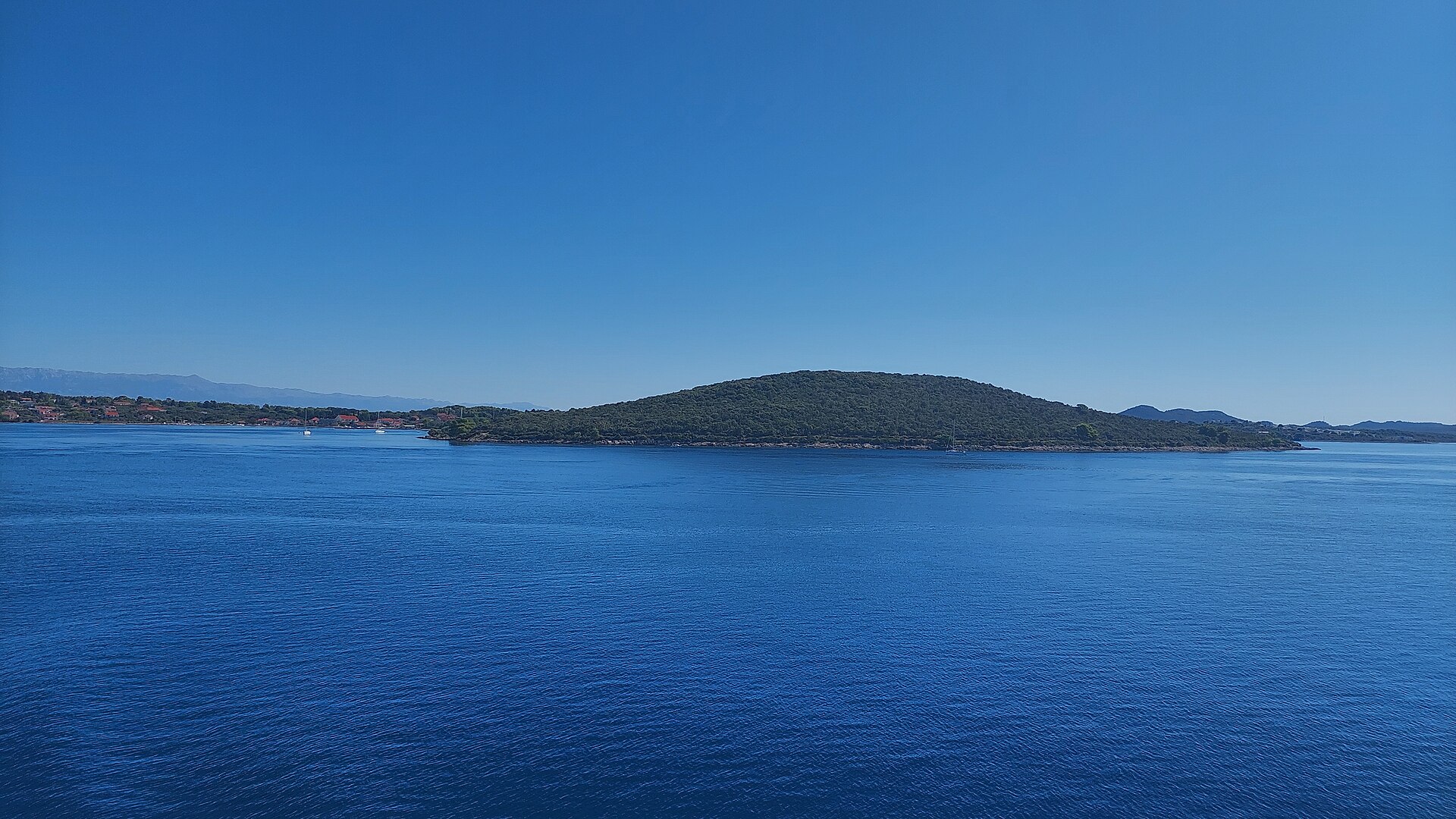
The islet of Sestrica Vela sits in the waters between Dugi Otok and the Kornati archipelago, a short crossing from Sali. It's a bare rock outcrop with nothing on it besides the lighthouse and the old keeper's quarters — no village, no shops, just open sea and wind. For sailors crossing between Zadar and the Kornati islands, the tower is one of the recognizable landmarks along the route.
Why was this lighthouse built here?
The tower was erected in 1876, during the period when this stretch of the Adriatic coast belonged to the Austro-Hungarian Empire. One detail that surprises most visitors is where the structure itself came from: its prefabricated iron body was manufactured in France and shipped to the site. It remains the only iron-framed lighthouse anywhere on the Adriatic, setting it apart from the dozens of stone-built towers that line the Croatian coast.
How tall is the tower and how far does its light reach?
The tower itself rises 26 meters, while the light sits at a focal height of 47 meters above sea level, thanks to the rocky base it's built on. The light's nominal range is 20 nautical miles, roughly 37 kilometers — a signal strong enough to guide ships at night through this stretch of coast, which is scattered with small islands and reefs.
Is the lighthouse still operational, and can visitors go there?
The lighthouse is fully automated and connected to a remote monitoring system, so it no longer needs a keeper in the traditional sense. Even so, the small living quarters once used by lighthouse keepers are still standing, and they're occasionally rented out to travelers looking for genuine isolation. It's one of the handful of Croatian lighthouses where an overnight stay is possible, provided you value silence, off-grid living, and open sea views over hotel-style comfort.
Why do people come here?
Sestrica Vela mainly draws sailors and travelers chasing the wilder, sparsely populated corners of the Adriatic. The surrounding waters rank among the cleanest in this part of the Mediterranean, and the islet's proximity to Kornati National Park and Telašćica Nature Park means a stop at the lighthouse often fits naturally into a longer sailing itinerary. There are no real beaches here — it's more of a scenic waypoint and photo stop than a spot for a full day by the water.
Frequently asked questions
How do you get to Sestrica Vela Lighthouse? The simplest option is chartering a boat or arranging a local transfer from Sali — there's no scheduled ferry service, and the islet is reachable only by water.
Is the lighthouse permanently staffed? No, not in the traditional sense. It runs automatically today, though the former keeper's quarters are sometimes rented out to visitors for short stays.
What makes Sestrica Vela different from other Adriatic lighthouses? Its tower was built from iron in France, making it the only iron-framed lighthouse on the entire Croatian coast, where stone construction is the norm.
Are there beaches or other attractions nearby? The islet itself has no beaches, but it lies close to Kornati National Park and Telašćica Nature Park, both popular with sailors and divers.
Nearby places

Earn badges for the places you visit
Download NextOnTrip, discover new places and check off your trails.