About this place
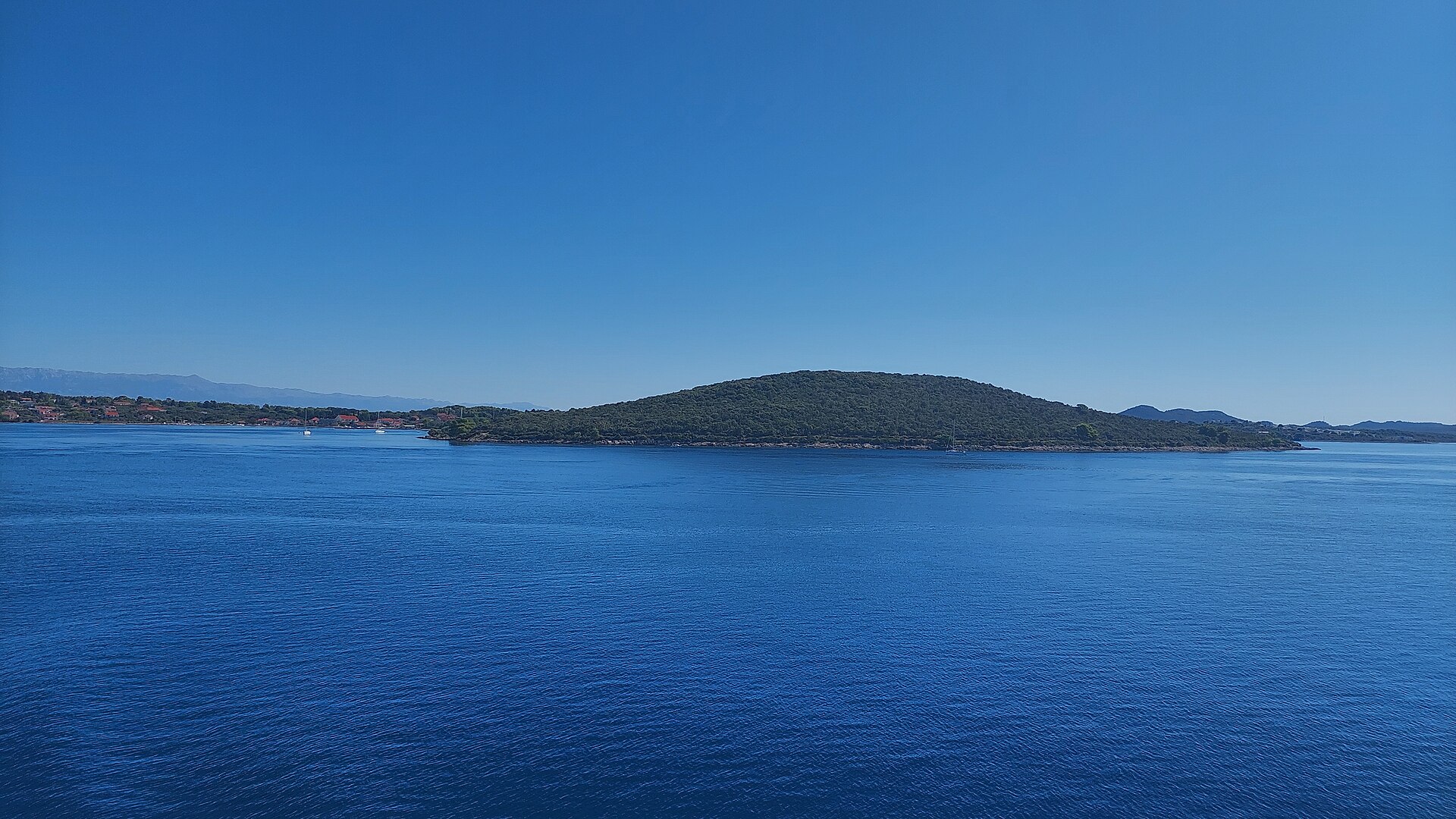
Ovčjak is a small, wooded peninsula on the western coast of the island of Ugljan in Croatia, right next to Muline — the last village in the Ugljan municipality. It's a spot with two identities: a quiet mooring point for sailors and the starting stretch of a coastal walk leading to one of the island's finest beaches.
Where exactly is Ovčjak?
The peninsula sits on Ugljan's western shore, immediately adjacent to Muline, at roughly 44.1325°N, 15.0664°E. Muline itself is a small fishing village with a harbour and mooring spots, framed by pebble and gravel beaches and a network of coastal and inland paths used for walking and cycling.
How do you get to Ovčjak?
The usual route is by ferry or catamaran to Preko, Ugljan's main port with connections to Zadar, then onward by local road or bus to Muline. For sailors, Ovčjak is one of the go-to points along the island's coastline — the headland has long served as a natural shelter for boats looking for a calm spot to anchor. Walkers can pick the longer, scenic coastal route out of Muline, which runs directly across the Ovčjak peninsula; the walk takes around 30 minutes and ends at one of the most beautiful beaches on the island.
What will you see there?
The scenery is classic Dalmatian coastline: low pine groves reaching almost down to the waterline, small stony coves, and clear turquoise water. The headland itself has no built-up tourist infrastructure — its appeal lies in the quiet and the lack of crowds compared to busier beaches in high season. The seabed around this stretch of Ugljan, near headlands such as Ovčjak, is also valued by locals and divers as one of the more interesting underwater spots close to the island.
When should you visit?
Late spring (May–June) and early autumn (September to early October) are the best windows — pleasant temperatures, warm enough sea, and noticeably fewer people on the trails and beaches than in July and August. In summer, aim for an early morning or late afternoon walk to avoid the midday heat, since part of the coastal path runs through open, sun-exposed stretches.
What else can you combine it with?
Ugljan rewards slow travel. On the way from Muline or Preko, it's worth stopping in other coastal villages, trying the island's olive oil (Ugljan is known for its olive groves), and setting aside time for a longer walk or bike ride across the island's inland plateau, which opens up onto views over the Zadar Channel.
Frequently asked questions
Can you drive right up to Ovčjak? No paved road reaches the tip of the peninsula directly — you drive to Muline and continue on foot along the coast from there.
Is it good for swimming? Yes, the area has pebble and gravel beaches with clear, calm water, especially outside the peak summer months.
Can you anchor a boat at Ovčjak? Yes, the headland has long been a popular stopping point for sailors cruising along Ugljan's coastline.
How long is the walk from Muline to the beach via Ovčjak? About 30 minutes one way, following the coastal path.
Nearby places

Earn badges for the places you visit
Download NextOnTrip, discover new places and check off your trails.