About this place
Santa María de Obarra is a medieval monastery in the municipality of Beranuy, in the province of Huesca, in the Aragon region of Spain. It sits at the edge of the Isábena river valley, in the historic Ribagorza region, and ranks among the oldest surviving Romanesque monuments in this part of the Pyrenees.
What is this place?
The monastery was founded in the 9th century as a Benedictine community. Over the following centuries it was expanded and rebuilt, so the complex you see today reflects several stages of Romanesque architectural development — from the earliest, austere forms to more mature, decorated elements added in later building phases. The monastic ensemble includes a church with a distinctive cluster of apses, along with the remains of the former monastic buildings.
What will you see on site?
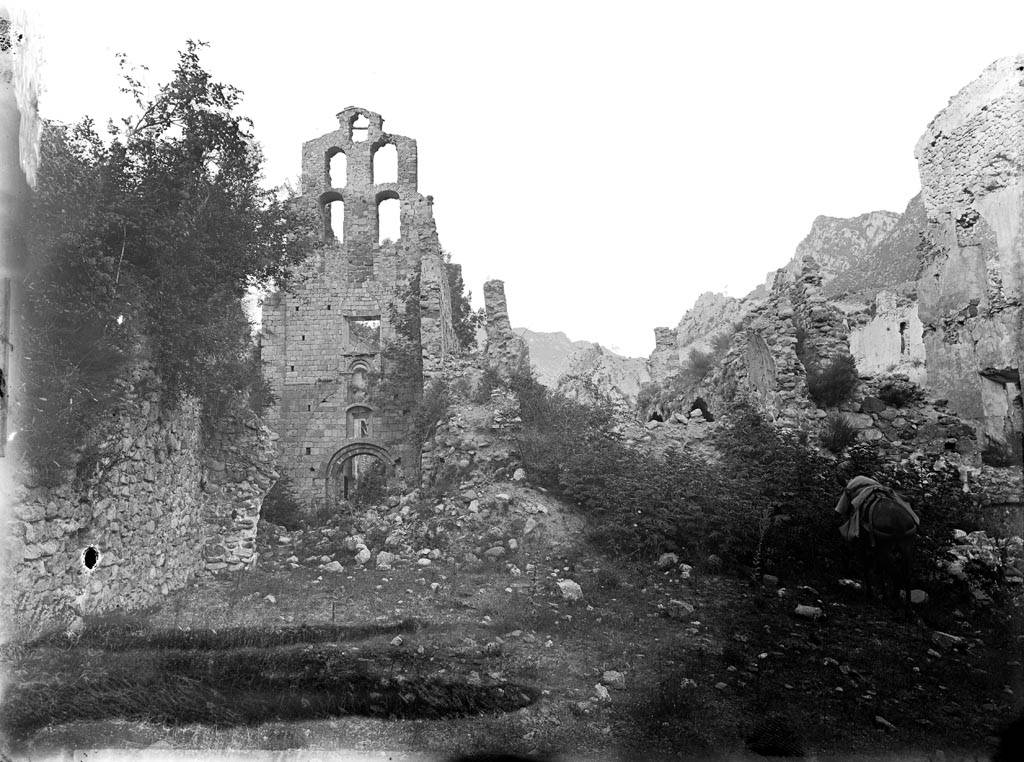
The main highlight is the monastery church with its three apses, a feature typical of early Pyrenean Romanesque architecture. The stone structure, rising against the green backdrop of the Isábena valley, gives an impression of stark simplicity — with little ornamentation but clearly legible wall and vault construction. It's worth paying attention to the tower and the interior layout, which help visitors picture the daily life of monks here over a thousand years ago. The setting itself — an undeveloped river valley framed by hills — adds to the appeal of a visit.
How do you get there?
Santa María de Obarra lies on the road connecting Beranuy with nearby Roda de Isábena, one of the smallest episcopal towns in Spain and a popular destination in the region. The easiest way to reach it is by car, following the road that runs through the Isábena valley, away from larger towns — one of the reasons the monastery has kept its secluded, contemplative character. The surrounding area also appeals to walkers and cyclists, since the river valley offers quiet, scenic routes.
When should you visit?
The Ribagorza region has a mountain climate, with cooler winters and mild, pleasant summers. Spring and early autumn are when the Isábena valley looks its most striking, with green meadows and forests contrasting against the pale stone of the monastery. In summer, expect warmer daytime temperatures, though the nearby river and shaded trees help offset the heat. Winter brings quieter, less crowded visits, which some travelers consider an added benefit.
Frequently asked questions
From what period does the Santa María de Obarra monastery date? The monastic community was founded in the 9th century, and the Romanesque building itself was expanded over the following centuries, which explains the stylistic differences visible between parts of the complex.
Where exactly is the monastery located? In the municipality of Beranuy, in the province of Huesca, in the Aragonese region of Ribagorza, on the banks of the Isábena river.
Are there other attractions worth visiting nearby? Yes — nearby Roda de Isábena is one of the smallest episcopal towns in Europe, with its own cathedral and historic old town, making it easy to combine both sites in a single trip.
Is it worth pairing the visit with outdoor activities? Definitely — the Isábena valley offers quiet walking and cycling routes, and the mountainous Ribagorza landscape is well suited to longer excursions in the area.
Nearby places

Earn badges for the places you visit
Download NextOnTrip, discover new places and check off your trails.