About this place
Sant Gregori de Falset is a hermitage carved into a red sandstone cave, tucked into the hills just 1.5 km from the center of Falset, the capital of the Priorat region in Tarragona province.
Where is it and how do you get there?
The hermitage sits on the edge of Falset, reached along a marked walking trail that continues on to the ruins of the neighboring hermitage of Sant Cristòfol. From central Falset the walk usually takes no more than half an hour at an easy pace, following a path through rock and scrubland — this is a short outing rather than a full-day trek. Drivers can get close by car, but the final stretch still has to be covered on foot.
What will you see there?
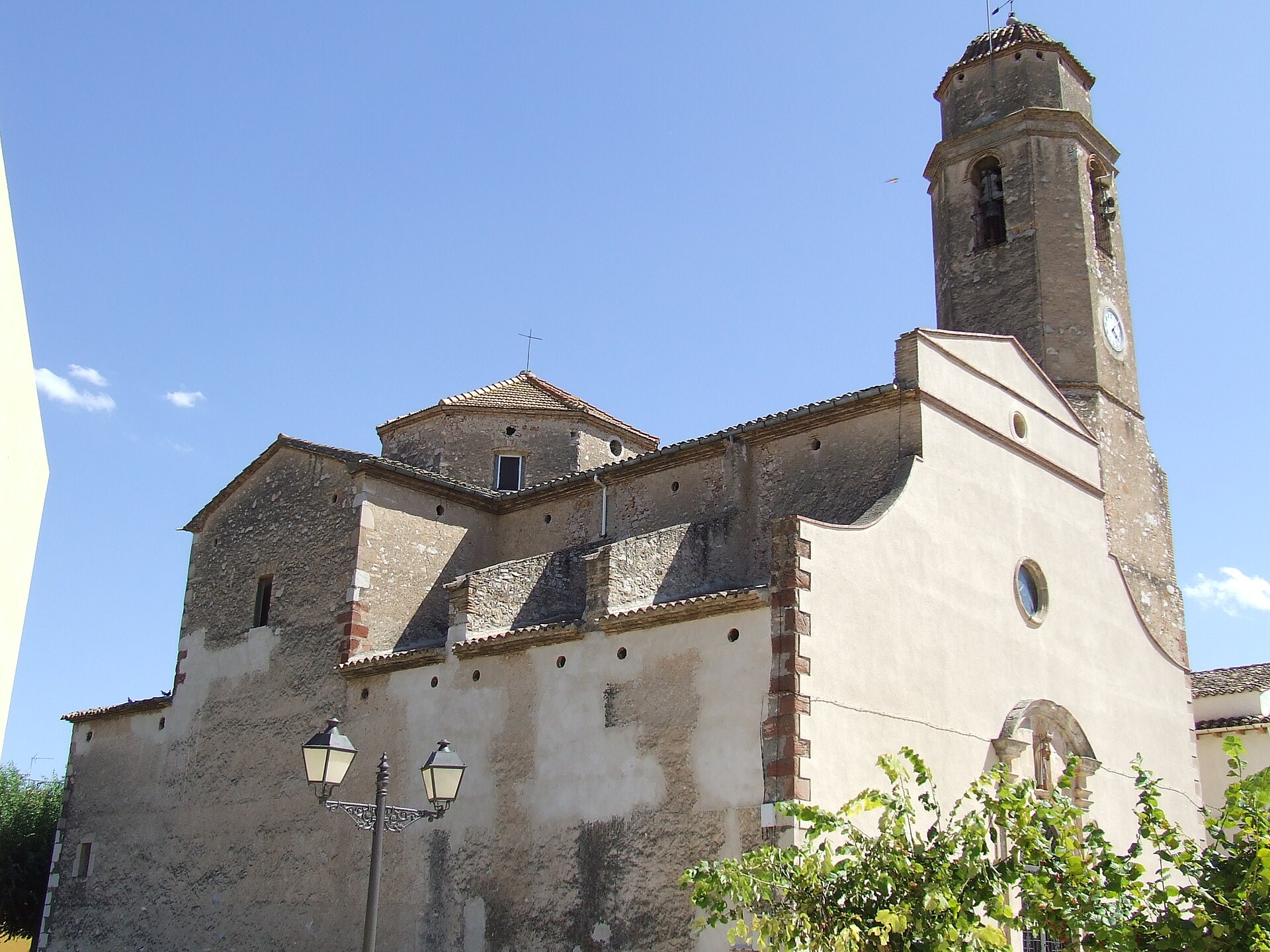
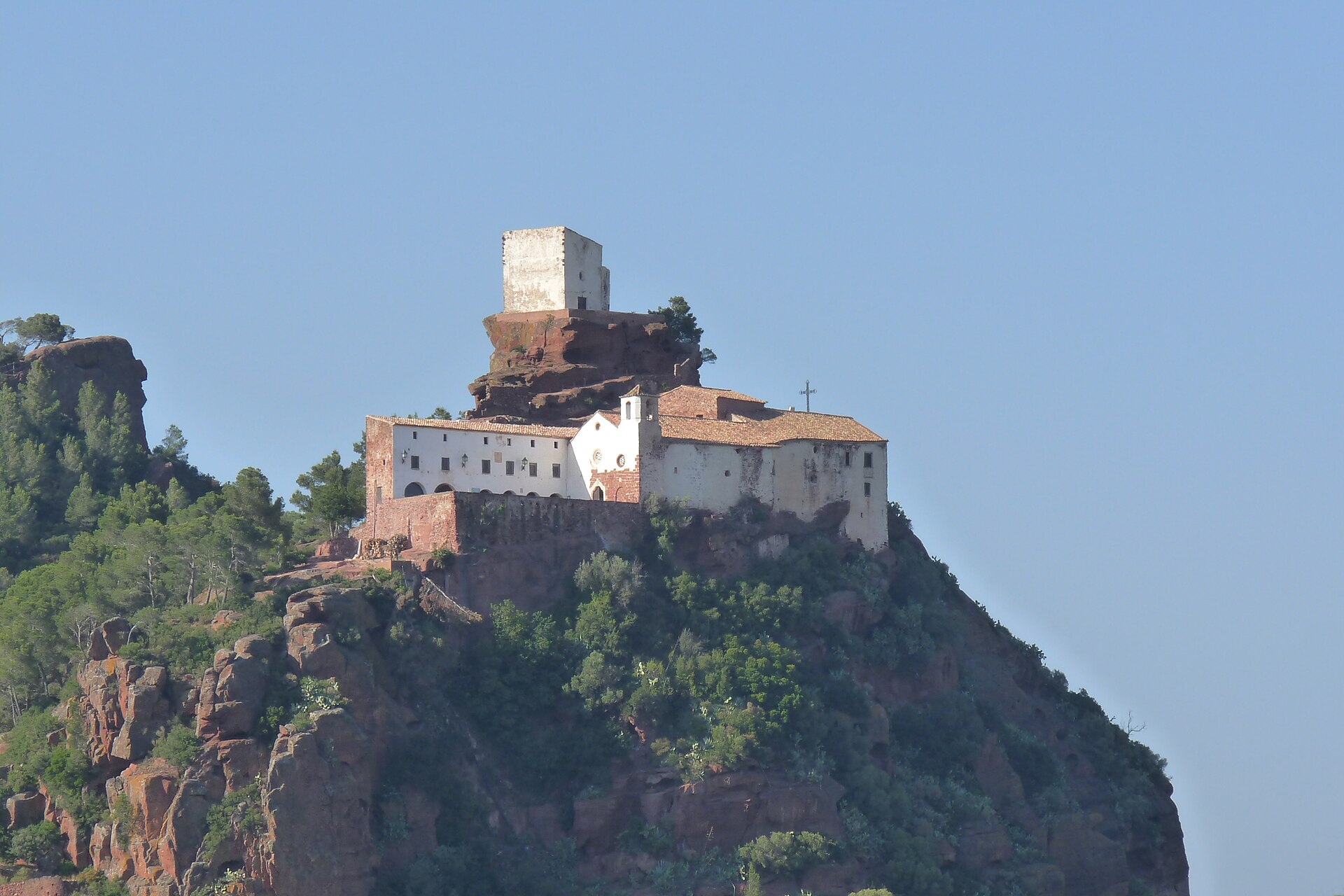
The building itself is the main attraction, and not because it stands alone: it is tucked directly beneath the overhang of a large natural cave carved into red sandstone. The construction is troglodytic in style — the former hermit's dwelling, with two doors, and the chapel itself are both built from stone masonry reinforced with dressed corner blocks. From outside, the eye is drawn to a rounded stone archway, a small circular window, and a gable-shaped bell turret rising from one side of the façade.
The setting is just as striking as the building. The red rock formations around the hermitage have earned local nicknames — some are known as "the Giant" and "the Snail," names given by wind and erosion that sculpted the sandstone into shapes resembling those figures. At the base of the hermitage there's a picnic area with wooden tables and a children's play space, making the spot a convenient stop during a longer walk through the surrounding hills.
From the terrace beside the hermitage, the view opens onto Falset and its entire valley — one reason the spot is popular with locals as a sunset viewpoint, since the last light of the day deepens the red of the sandstone even further.
What is the history behind it?
The earliest references to the hermitage date from the late 16th or early 17th century, though the site itself was used long before that — archaeological finds in the area around the cave point to settlement traces going back millennia, showing that this stretch of land has drawn people since ancient times. The building underwent renovation in the 18th century, a fact recorded by an inscription dated 1721 on one of the side walls. In 1897, a falling section of rock damaged part of the vault, and the hermitage was closed to worship for several decades. It was rebuilt in 1927, and the structure seen today dates from that reconstruction. The site is currently listed as a local asset of cultural interest.
When is the best time to visit?
Because the trail is short but largely exposed to the sun, spring and autumn — with their milder temperatures — are the most comfortable seasons to visit. In summer, an early morning start is best, or, if the goal is to catch the sunset from the viewpoint, a visit in the late afternoon, when the rock turns its deepest shade of red. In winter the trail tends to be quieter, making it easier to enjoy the view without crowds.
Frequently asked questions
Is there an entry fee for the Sant Gregori hermitage? No, access to the hermitage and the trail is free; it's a public viewpoint and rest area open to everyone.
Is the route suitable for children? Yes, the walk from Falset is short and technically undemanding, and a picnic area with a play space waits at the site, making it a family-friendly outing.
Can the walk be extended further? Yes, the marked path continues from Sant Gregori to the ruins of the nearby Sant Cristòfol hermitage, giving more energetic visitors a way to lengthen the trip.
What is the red rock around the hermitage? It's a formation of red sandstone, shaped by erosion into distinctive forms that locals have given their own names to, such as "the Giant" and "the Snail."
Nearby places

Earn badges for the places you visit
Download NextOnTrip, discover new places and check off your trails.