About this place
San Pedro de Arlanza is a ruined Benedictine monastery in the municipality of Hortigüela, in the province of Burgos, set in the valley of the river Arlanza in north-central Spain.
Why is it called the "cradle of Castile"?
The monastery of San Pedro de Arlanza was founded in 912, during the period when the earliest political structures of the region were taking shape. Historians and guidebooks link this site to the origins of Castilian identity, which is why it carries the enduring nickname "cradle of Castile." For centuries the abbey served as a spiritual and symbolic center of the area, before falling into decline.
Everything changed dramatically in the 19th century. In 1841, as part of the confiscations carried out under the government of Juan Álvarez Mendizábal, the monastery's properties were seized and redistributed, and the monks left the site for good. Since then, San Pedro de Arlanza has stood as an abandoned ruin — a physical reminder of one of the most consequential waves of church property confiscation in Spanish history.
How do you get there?
San Pedro de Arlanza lies within the municipality of Hortigüela, in the province of Burgos, making it a convenient side trip from the nearby city of Burgos. The ruins sit in the Arlanza river valley, surrounded by the gentle hills and rural scenery typical of this part of Castile. The most practical way to reach the site is by car, since the surrounding area is rural, and the monastery fits naturally into a route of historic sites scattered along the Arlanza valley.
It's worth treating the visit as part of a longer route through Burgos province, pairing it with other points of interest along the river valley. That way, even though the site itself is a ruin without extensive visitor infrastructure, the trip becomes a meaningful piece of a broader exploration of the region's history.
What will you see on site?
Visitors today find the remaining structures of the former abbey — walls and architectural fragments that have survived more than a century and a half of abandonment. The site speaks mainly through its history and atmosphere: standing among the ruins in the river valley, it's easy to picture the scale and significance the monastery once held as one of the region's major religious centers.
The setting itself — the Arlanza valley within the Hortigüela municipality — is a draw in its own right for travelers looking for quiet, less-visited historic sites away from Castile's busier tourist routes.
When is the best time to visit?
Given the rural, exposed terrain, spring and autumn are the most comfortable seasons, as temperatures in this part of Castile are milder than during the hot summer months. Morning or late-afternoon light also works best for photographing the ruins and the surrounding valley.
Frequently asked questions
What was San Pedro de Arlanza? A Benedictine monastery founded in 912 in the Arlanza river valley, regarded as one of the sites symbolically tied to the origins of Castile.
Why is the monastery a ruin today? The abbey was abandoned in 1841 following the confiscation of church properties under the government of Juan Álvarez Mendizábal.
Where exactly are the ruins located? In the municipality of Hortigüela, in the province of Burgos, in the Arlanza river valley in north-central Spain.
Is it worth combining the visit with other sights? Yes — the Arlanza valley area has other historic sites nearby, so it's best planned as part of a longer regional route rather than a standalone trip.
Nearby places
-

Abbey of Santo Domingo de Silos
Santo Domingo de Silos
-
Ermita de la Blanca
Salas de los Infantes
-
Monastery of Santa María de Bujedo de Juarros
Ibeas de Juarros
-
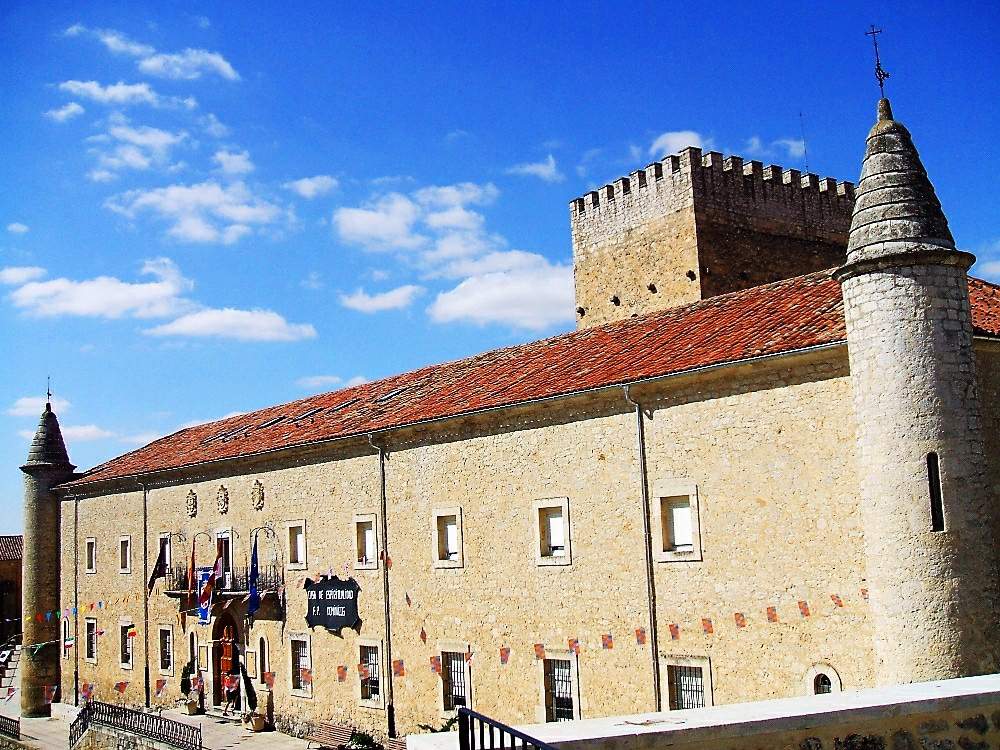
Convento de los Dominicos
Caleruega
-
Church of Santa Columba
Riocavado de la Sierra
-
Monasterio de Santa María la Real
Villamayor de los Montes
Earn badges for the places you visit
Download NextOnTrip, discover new places and check off your trails.