About this place
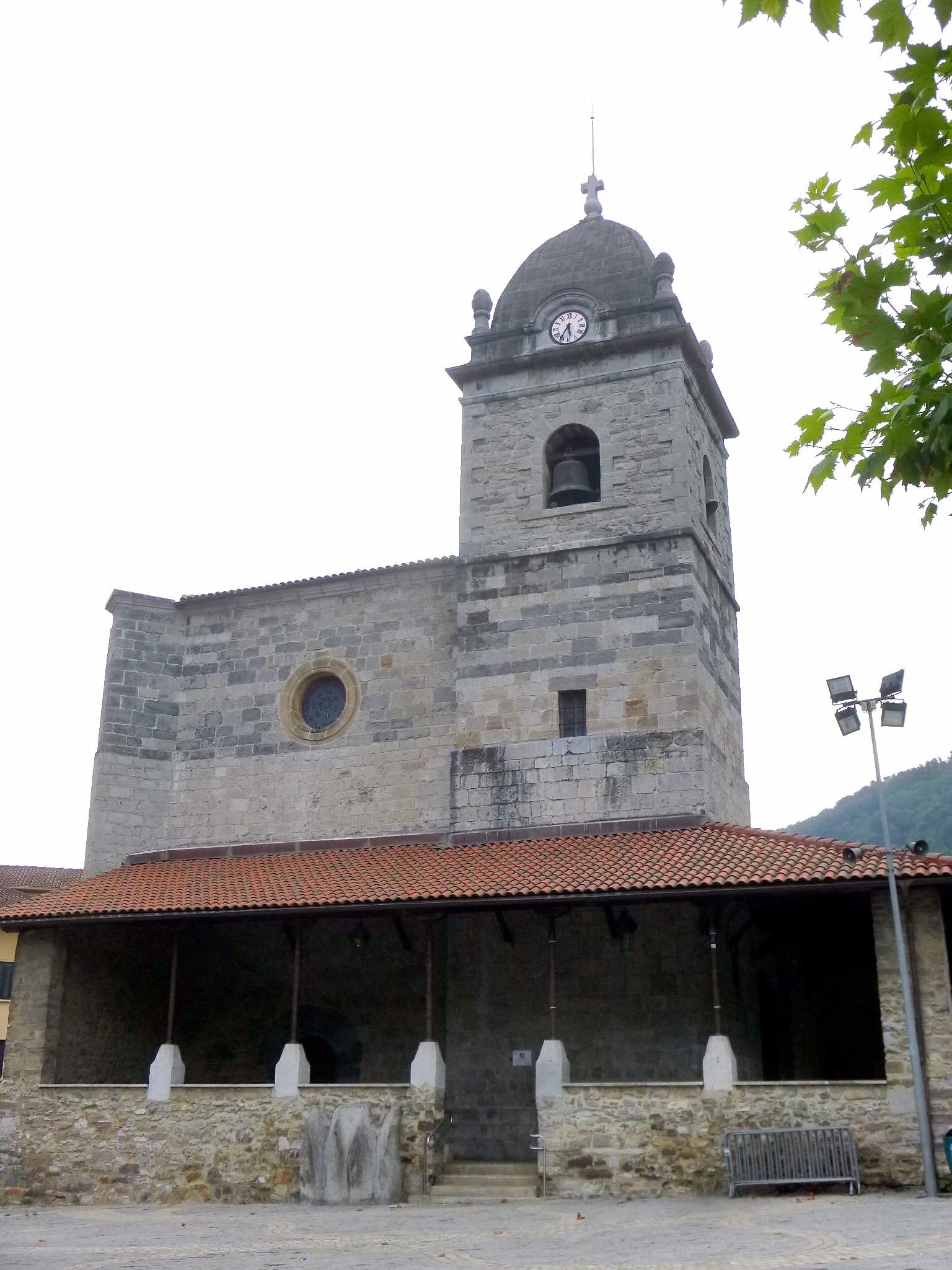
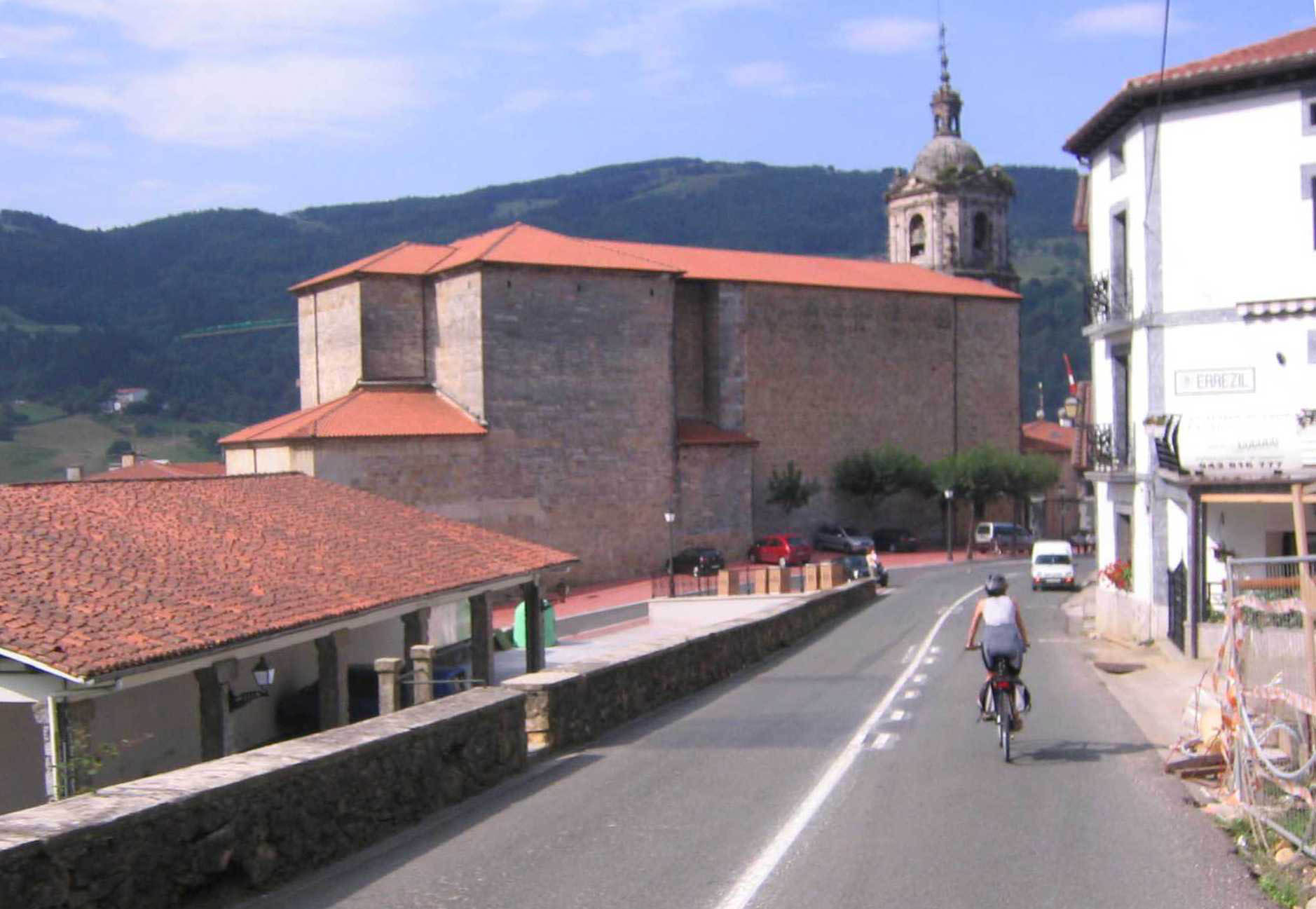
The Church of San Esteban is the oldest surviving building in Larraul, a small village in the province of Gipuzkoa in the Basque Country, set at the foot of Mount Ernio. Long before Larraul became an independent municipality in 1840, the local community had already gathered around the San Esteban parish for at least five centuries — the church has always been the true heart of the settlement.
How do you get there?
Larraul sits inland in Gipuzkoa, in a quiet, hilly area away from the coastal tourist routes. Arriving by car is by far the easiest option — the church stands right in the village center, so it's impossible to miss. Travelers without a car usually approach via nearby Tolosa or Donostia-San Sebastián, then continue on local roads toward the hills surrounding Ernio.
What will you see?
The building visitors see today is the result of centuries of rebuilding. After a fire destroyed the original medieval church in 1476, reconstruction stretched on for decades. The Larrunbide family, one of the oldest lineages in Larraul, played a decisive role in the process: parish priest Juan de Larrunbide and master mason Ascensio de Larrunbide planned a sturdy stone building in Gothic-Renaissance style shortly after 1500, replacing the earlier medieval structure.
Inside, a single nave is covered by ribbed vaulting — a layout typical of Basque rural churches of the period, executed here with notable attention to structural detail. Behind the main altarpiece survives a standout feature: a 16th-century grisaille mural, a monochrome painting technique that imitates sculpted relief. Specialists consider it unique within the whole of Gipuzkoa, and it's the main draw for visitors interested in the region's sacred art.
From the outside, the building reads almost like a fortress — the tower, designed by Nicolás de Lizarraga, has very few openings, and the walls are reinforced with massive buttresses. This defensive character was common in Basque rural church architecture, often built to protect the community and its goods in turbulent times, and San Esteban is a clear example of that approach.
When should you visit?
Given the mountainous climate of the area, spring and early autumn offer the most pleasant conditions, with stable weather and the surrounding hills — including nearby Mount Ernio — at their most scenic. Summer brings more visitors to the wider region, though Larraul itself remains low-key. Winter access can be trickier due to weather typical of inland Basque Country.
Frequently asked questions
What is the Church of San Esteban in Larraul? It's a Catholic parish church, the oldest surviving building in the municipality of Larraul, built in its current form around the turn of the 16th century after fire destroyed an earlier church.
What's the most valuable feature inside? A 16th-century grisaille mural behind the main altarpiece, considered unique within Gipuzkoa.
Why does the church look like a defensive structure? Its tower, designed by Nicolás de Lizarraga, has very few openings, and large buttresses reinforce the walls — features typical of Basque religious architecture built with community defense in mind.
Is it worth combining the visit with the surrounding area? Yes — Larraul lies at the foot of Mount Ernio, a popular hiking destination in Gipuzkoa, making it easy to pair the church visit with outdoor activity.
Nearby places

Earn badges for the places you visit
Download NextOnTrip, discover new places and check off your trails.