About this place
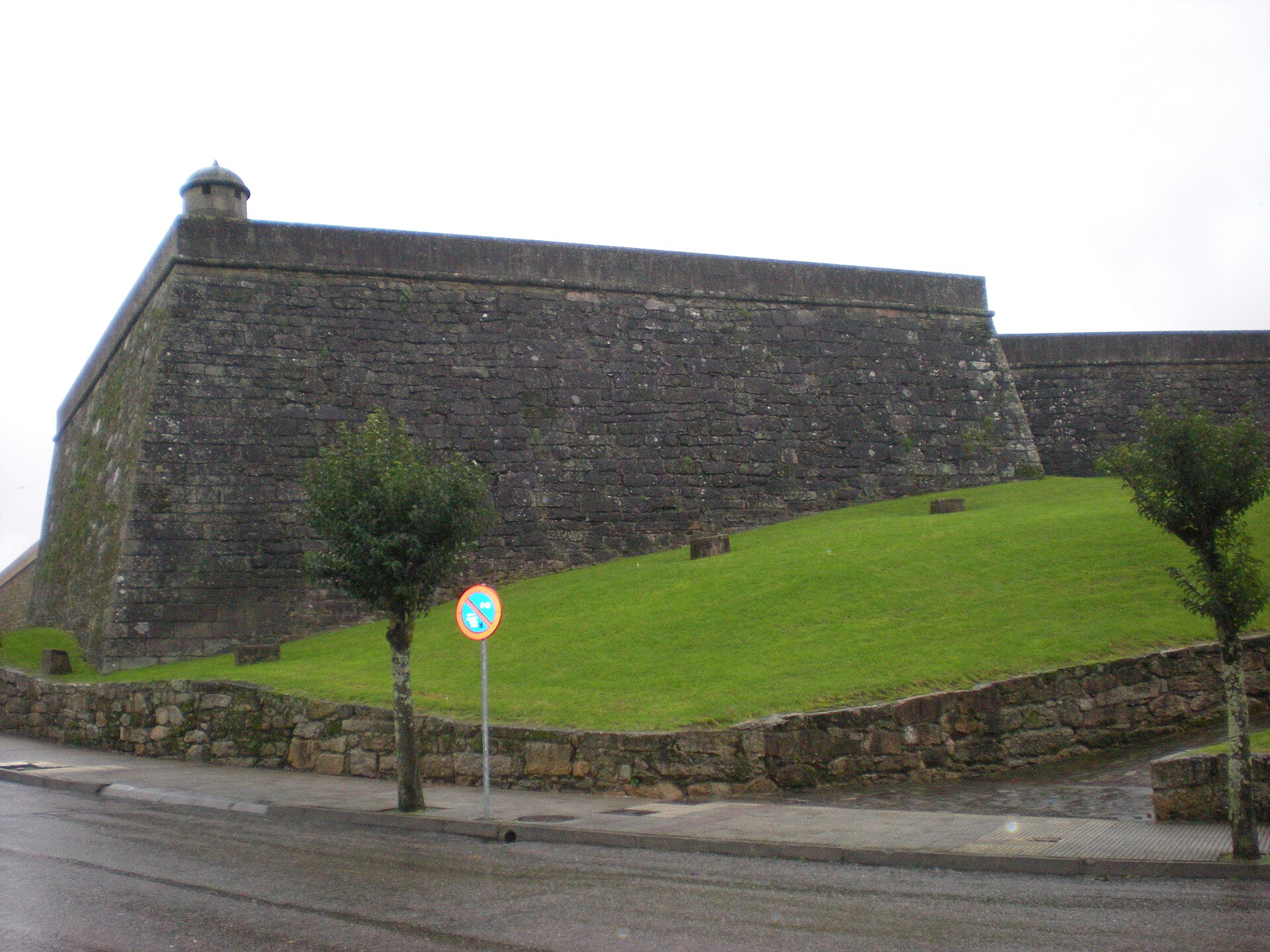
Salvaterra Castle, also known as the fortress of Doña Urraca, rises above the Miño river in the town of Salvaterra de Miño, in the province of Pontevedra, right on the Galician side of the border with Portugal.
Where does the fortress come from?
The stronghold was built in the 12th century on the orders of King Fernando II, who wanted to secure this stretch of the border against raids from neighboring Portugal. The site quickly gained strategic weight — in 1121, Queen Urraca of Galicia, León and Castile used it as her base to lead a campaign, backed by Archbishop Diego Gelmírez, against her half-sister Teresa, who had proclaimed herself Queen of Portugal. That episode is the reason locals still refer to the site as the castle of Doña Urraca.
Another decisive chapter unfolded in the 15th century, when Pedro Madruga, one of the most powerful Galician noblemen of his time, took refuge here in 1479 while defending himself against troops sent by Archbishop Alonso II de Fonseca.
The real test for the castle came in the 17th century, during the Portuguese Restoration War. Between 1642 and 1659 the fortress actually fell under Portuguese control, and once it was recovered it was reinforced with modern bastioned walls designed by the French engineer Carlos de Lessar — most of what still stands today dates from that rebuilding.
What will you see on site?
Very little survives of the original 12th-century walls. What visitors encounter today is mainly the 17th-century bastioned fortification, with sentry boxes lining the ramparts. Inside the enclosure stand a Baroque chapel dedicated to the Virgin of Oliveira and the 17th-century Casa del Conde, the former residence of the family entrusted with guarding the stronghold.
The castle was listed as a Site of Cultural Interest (Bien de Interés Cultural) in 1949 and underwent a thorough restoration in 2008, led by the Salvaterra town council. Within its walls you can also find a Wine Museum dedicated to the winemaking tradition of the Condado area, home to albariño and other local varieties.
From the ramparts and sentry boxes, the view opens onto the Miño valley and the Portuguese bank on the opposite shore — a panorama that explains why this spot was a flashpoint for both kingdoms for centuries.
When should you visit?
Summer is the best time to come, when the Festa do Viño do Condado takes place inside the walls — a wine festival combining tastings, concerts and shows set against the backdrop of the castle towers. It's also the season when the weather is most pleasant for walking the surrounding hills and riverside paths.
How do you get there?
Salvaterra de Miño sits on the main road linking Vigo and Ourense, and a bridge over the Miño leads straight to the Portuguese town of Monção — one of the oldest and most scenic border crossings in the region. The castle itself stands in the town center, within easy walking distance of the main square.
Frequently asked questions
Can you go inside the castle walls? Yes, the fortified enclosure is open to visitors, and it houses a Wine Museum dedicated to the winemaking traditions of the Condado area.
Why is it also called the castle of Doña Urraca? Because in 1121 Queen Urraca used it as her base to lead a campaign against her sister Teresa, who had proclaimed herself Queen of Portugal — an episode significant enough that the fortress carries her name to this day.
How much of the original medieval castle remains? Very little. Most of the walls and sentry boxes visible today date from the 17th-century bastioned rebuilding that followed the period of Portuguese control.
What's the main draw around the castle? The summer Festa do Viño do Condado held inside the walls, plus the view over the Miño river and the border bridge to Monção, Portugal.
Nearby places

Earn badges for the places you visit
Download NextOnTrip, discover new places and check off your trails.