- Nature
- Nature Reserves
réserve naturelle régionale des Annelles, Lains et Pont Pinnet
About this place
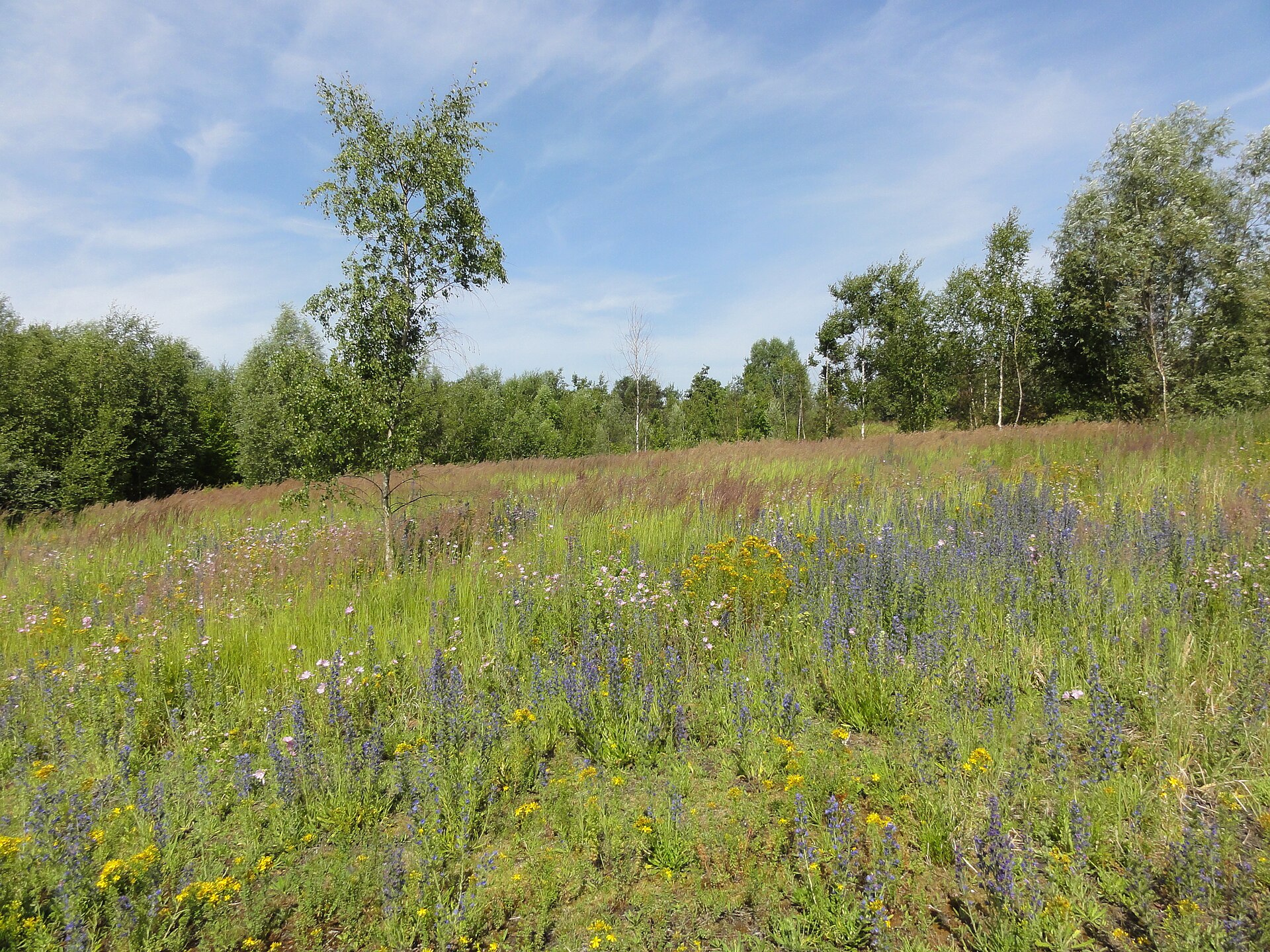
The Réserve naturelle régionale des Annelles, Lains et Pont Pinnet is a regional nature reserve in the Hauts-de-France region, within the town of Roost-Warendin, northeast of Douai. The site lies between the canalized Scarpe river and the Scarpe diversion canal, just east of a formerly mining and heavily industrial area where the Métaleurop-Nord plant once operated, and near the metallurgical works still running today in Auby. The reserve covers 14 hectares and was granted protected status in 2010.
Where does the name come from?
The reserve's name combines the three landscape units that make it up: the Annelles sector, the Lains area, and the site near the Pont Pinnet (Pinnet bridge). These three sectors hold the most ecologically valuable parts of the protected area.
What shaped this landscape?
The reserve's landscape is largely the result of human activity. The earliest traces date back to the Middle Ages, when Carthusian monks dug drainage ditches to dry out the wet ground. Later, during the 19th and 20th centuries, part of the former wet meadows was partially filled in with mining spoil. Today the area still bears the marks of that history: a spoil heap known as "the Escarpelle terril" and a site called the "old peatland" (la vieille tourbière). As a result, a mosaic of habitats — ranging from dry to wet and peaty environments — coexists within a fairly small area.
What wildlife lives in the reserve?
For its modest size, the reserve holds remarkable species diversity. It is home to 210 species of flowering plants, of which 40 are considered rare and 8 are protected at the regional level. Fifty-seven bird species have also been recorded here. The reserve is particularly notable for the protected amphibian species it shelters, for which the varied, damp habitats provide important breeding and living grounds.
Why is this site notable despite its industrial past?
What makes the reserve interesting is the contrast between its history and its present state. Land shaped for centuries by human activity — drainage works, mining, the dumping of mining waste — is now a pocket of biodiversity surrounded by areas that still carry visible traces of the region's industrial past. The proximity of former mining sites and the still-active metallurgical plant in Auby highlights how nature can reclaim space even within a heavily transformed landscape.
Frequently asked questions
Where exactly is the reserve located? In the Nord department, in the Hauts-de-France region, within the town of Roost-Warendin, northeast of Douai, between the canalized Scarpe and the Scarpe diversion canal.
How large is the protected area? The reserve covers 14 hectares.
Since when has the area been protected? It was designated a regional nature reserve in 2010.
What is the reserve's greatest natural value? A rich mosaic of habitats, from dry to peaty wetlands, hosting rare and protected plant and amphibian species within a relatively small area.
Where does the "Escarpelle terril" spoil heap on the reserve come from? It is a remnant of past coal mining activity in the region, now covered in vegetation and forming part of the protected area's landscape.
Nearby places

Earn badges for the places you visit
Download NextOnTrip, discover new places and check off your trails.