About this place
Mare à Goriaux is a large wetland pond located within the state forest of Raismes-Saint-Amand-Wallers in the Nord department of France, protected as a directed biological reserve since 1982. It stands as a striking example of how former industrial activity can, over time, evolve into a thriving natural habitat.
Where did this wetland come from?
The story of this pond begins in the early 20th century. The opening of a nearby coal mine in 1903 gradually caused the ground to subside as underground seams were extracted. This process culminated in a major land collapse in 1916, which created three separate pools of water. Around 1930, these pools gradually merged into the single larger body of water that visitors can see today. The site's name has roots in the local Picard dialect — it was once known as "mare à cochon" (literally, pig's pond) before evolving into its current form.
What does the site look like today?
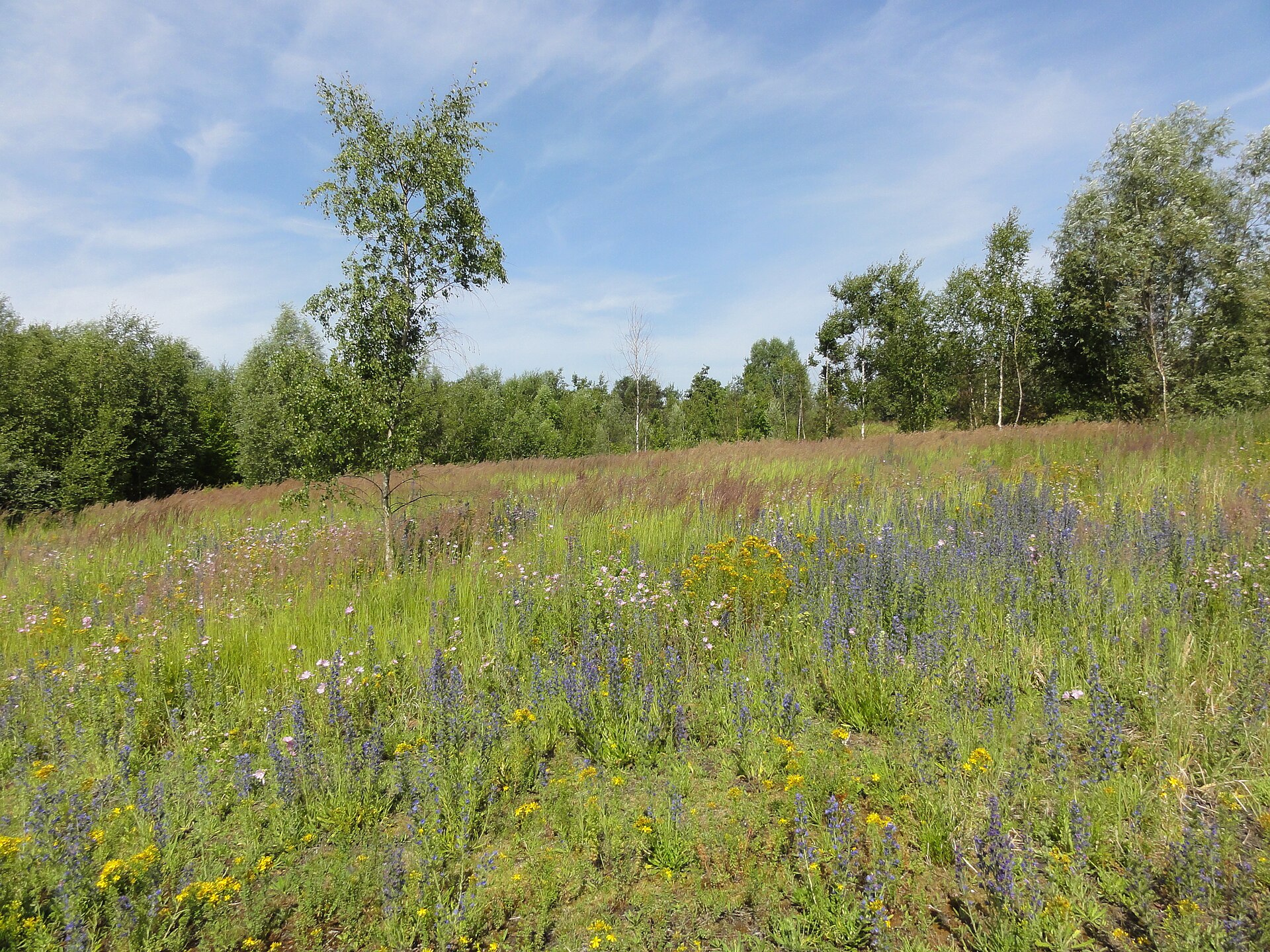
The reserve as a whole spans 270 hectares, with the water surface itself covering approximately 90 hectares. The pond is quite shallow, reaching a maximum depth of just 1.3 meters, a feature that supports rich aquatic and shoreline vegetation. A defining feature of the surrounding landscape is the nearby spoil heap known as terril no. 171. This flat, elongated mound stretches an impressive two kilometers in length and measures between 20 and 30 meters wide, and has been partially reclaimed by vegetation, adding further variety to the local scenery.
Why does this site matter for wildlife?
Mare à Goriaux serves as an important stopover point for migratory birds. Some 200 bird species have been recorded within the reserve, making it one of the more significant waypoints along regional migration routes. This ornithological richness draws a growing number of birdwatchers and nature enthusiasts to the area. Its status as a directed biological reserve means the site receives special protection and oversight from the National Forestry Office (ONF), which works to preserve the balance of this delicate ecosystem.
What should visitors know before going?
The pond lies within the commune of Raismes, directly bordering the town of Wallers, at the heart of the large state forest complex that shares the Raismes-Saint-Amand-Wallers name. Mare à Goriaux stands out as one of the most distinctive natural features within this expansive woodland. Visitors value the site as a place for walking and for quietly observing birds and other local wildlife, all set against the backdrop of water, forest, and the former mining spoil heap.
Frequently asked questions
What is Mare à Goriaux? It is a pond formed by ground subsidence caused by mining activity, now protected as a directed biological reserve.
When was the pond formed? A major land subsidence occurred in 1916, and the three resulting pools merged into a single pond around 1930.
How large is the reserve? The entire reserve covers 270 hectares, of which the pond itself accounts for 90 hectares.
What can visitors see there? The reserve is an important stopover for migratory birds, with 200 species recorded, and its landscape is marked by a distinctive two-kilometer-long former mining spoil heap.
Nearby places

Earn badges for the places you visit
Download NextOnTrip, discover new places and check off your trails.