Save this place and discover nearby attractions with NextOnTrip
In the app you can add it to your favorites, see what else is worth visiting nearby on the map, and earn a badge for your visit.
The app is available for iPhone and Android.
About this place
Read's Cavern is a cave in Burrington Combe, in the Mendip Hills of Somerset, south-west England. It lies beneath Dolebury Hill and ranks among the region's notable Iron Age archaeological sites. It suits cavers and archaeology enthusiasts rather than casual walkers.
What is Read's Cavern?
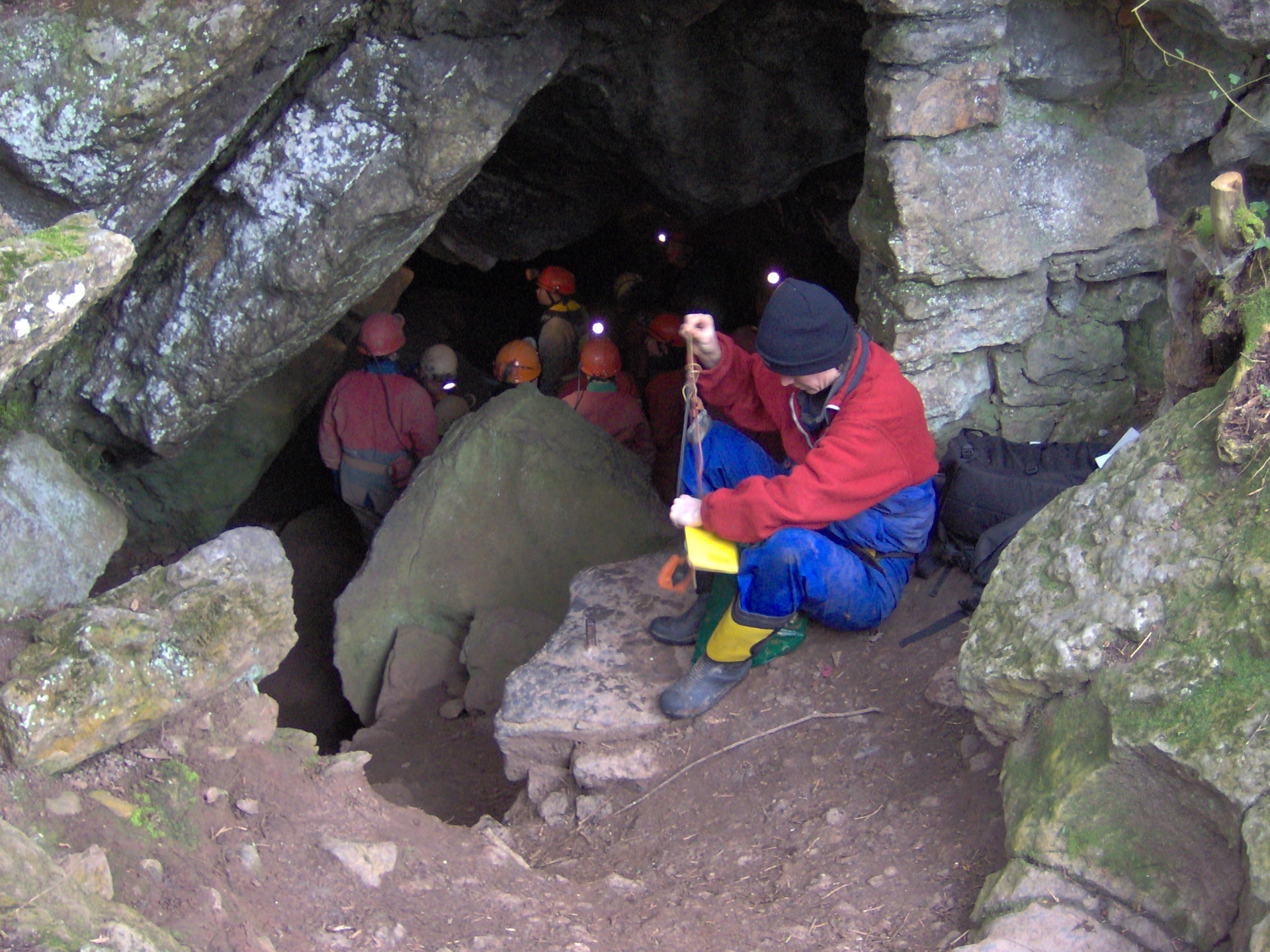
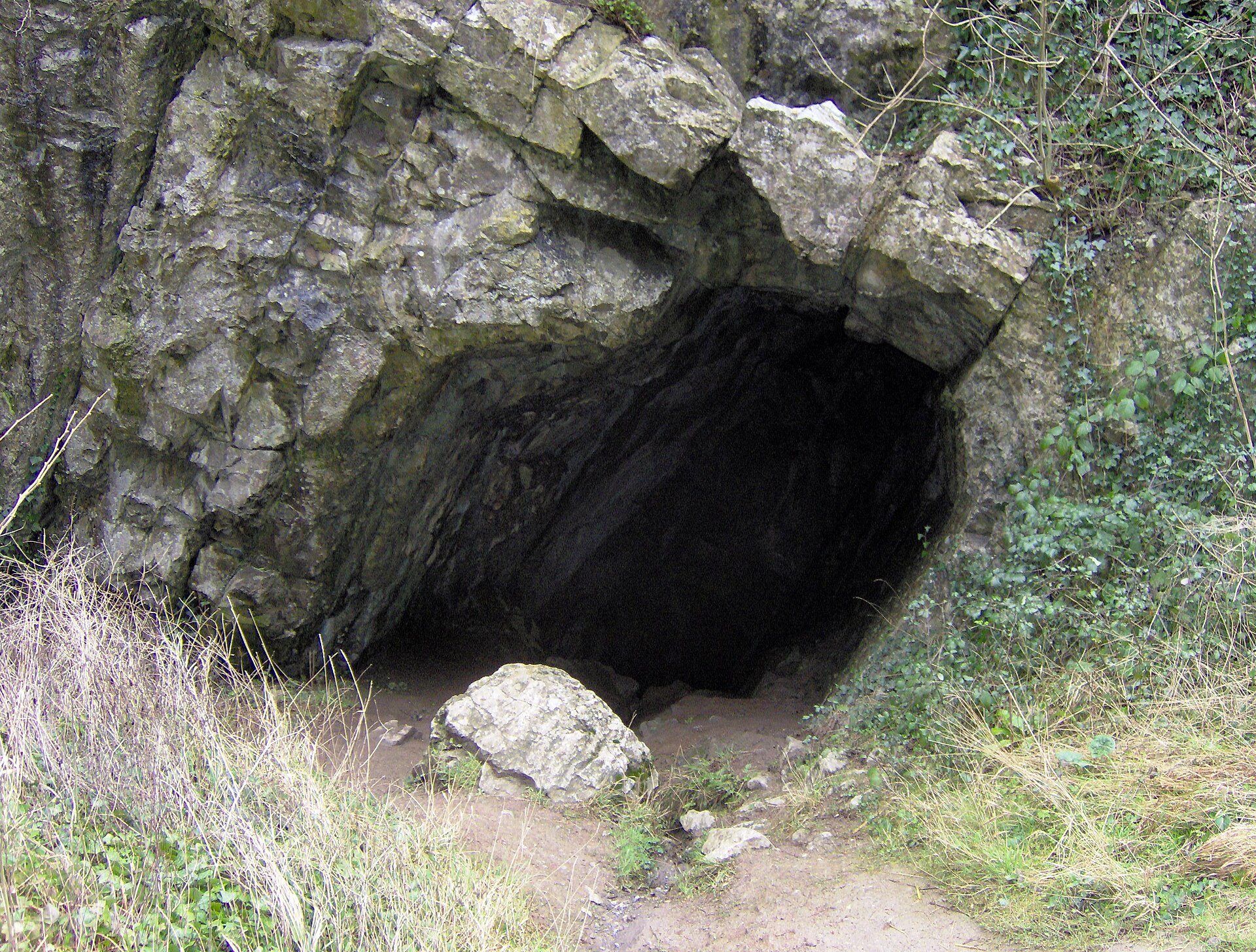
The cave sits in the Mendip Hills, a limestone range known for caves, gorges and stream sinks. Its entrance lies under a cliff, at the point where a small stream disappears underground. The main chamber is large and runs parallel to the cliff face, with a floor of boulder ruckle.
R. F. Read found the cave in 1919, and it carries his name. Before that it was known as the Keltic Cavern, a name later changed when the Ordnance Survey renamed it.
What was found here?
The University of Bristol Spelaeological Society (UBSS) investigated the site. Excavations led by L. S. Palmer ran from 1919 to 1929. They began by clearing roughly 21 tonnes of limestone debris from below the cliff where the stream sinks.
The finds include:
- pottery,
- antler cheek-pieces from horse harness,
- bronze fittings from chariot wheels,
- part of a bronze bracelet,
- stone spindle whorls,
- iron shackles, interpreted as slave shackles,
- La Tene brooches.
Human remains were also recovered, representing at least four individuals. Together the evidence points to use of the cave during the Iron Age.
In April and May 2010 Allison Marcucci and Kerns dug here again. They uncovered intact Iron Age deposits that matched the 1920s UBSS discoveries. The work led to a fresh interpretation of how the cave was used in the Iron Age. A preliminary report appeared in UBSS Proceedings 25(2) in 2011.
How do you get there?
Burrington Combe lies in the Mendip Hills, a short drive from Bristol. The gorge is a popular base for outdoor trips, with Dolebury Hill rising above it. The cave is at about 51.3226 N, 2.7645 W. The gorge is easy to reach by car, and the rest is on foot.
Can you go inside?
The entrance is very small and water pours in, so a soaking is likely. The cave is listed in the Mendip Cave Registry, and the Wessex Cave Club places the Burrington Combe caves in its open-access category. It remains a genuine caving trip, though, calling for experience, proper equipment and care around loose boulders. Check current access rules in Mendip Underground or with a caving club before you go.
Frequently asked questions
How old are the finds?
They date from the Iron Age. The 1919-1929 and 2010 excavations both confirmed human use of the cave in that period.
Who studied the cave?
The University of Bristol Spelaeological Society, led by L. S. Palmer in the 1920s, and Marcucci and Kerns in 2010.
Is Read's Cavern suitable for tourists?
No. It is meant for people with caving experience. The entrance is small and wet, and the interior has loose boulders.
Why was it once called the Keltic Cavern?
It received that name after the 1919 discovery, because of the Iron Age finds. The name was later changed to the present one, which honours the finder.
Nearby places

Earn badges for the places you visit
Download NextOnTrip, discover new places and check off your trails.