About this place
Potštejn is a small village and municipality in the Rychnov nad Kněžnou District, in the Hradec Králové Region of the Czech Republic. It sits above the Divoká Orlice river, roughly 4 km southeast of the town of Vamberk. The municipality comprises two parts, Potštejn and Brná, with a combined population of under a thousand. The village is best known for the ruined medieval castle that towers above it and for a restored Baroque chateau nearby.
Where is Potštejn and how many people live there?
Potštejn lies in the Podorlicko region, in the Divoká Orlice valley at the foot of the Orlické hory (Eagle Mountains). Administratively it belongs to the Rychnov nad Kněžnou District within the Hradec Králové Region. Census figures put the municipality's population at roughly 800-900, most of them living in the village of Potštejn itself, with the rest in the neighbouring settlement of Brná.
What is the history of Potštejn Castle?
The castle was built at the end of the 13th century, around 1295, by Procek of the Drslavic family, a noble house originally from western Bohemia that colonised the Divoká and Tichá Orlice river basins. The stronghold is first documented in 1287 and again in 1311, when Procek of Potštejn himself was killed amid the unrest surrounding the chaotic rule of King Henry of Carinthia.
Robber knights and the siege by Charles IV
During the first half of the 14th century the castle became the base of robber knights led by a certain Mikuláš, who plundered the surrounding countryside. In 1339 King Charles IV put an end to this by capturing and devastating the stronghold and putting Mikuláš and his men to death. In the centuries that followed, Potštejn ranked among the mightiest and best-fortified castles in the whole Podorlicko region, rivalling some of the largest fortresses in Europe at the time.
Decline and the hunt for treasure
After 1603, when Anna Kateřina took charge of the estate, the castle's importance began to fade. The final blow came from a later owner, Jan Harbuval Chamaré, who had the foundations dug out in search of a hidden treasure. The excavation caused the walls of the palace and fortifications to collapse, leaving the castle in permanent ruin.
What can visitors see at the castle today?
The ruins stand on a wooded hill above the village and include the Chapel of St. John of Nepomuk and the so-called Boží hrob (Holy Sepulchre). A memorial plaque on site commemorates Alois Jirásek's story "Poklad" ("The Treasure"), which is set at the castle and draws on local legends of hidden riches. Visits are guided only, last about 45 minutes, and run for groups of five or more. Admission is 100 CZK for adults, 50 CZK for children, and 80 CZK for seniors and visitors with disabilities.
What else is worth seeing nearby?
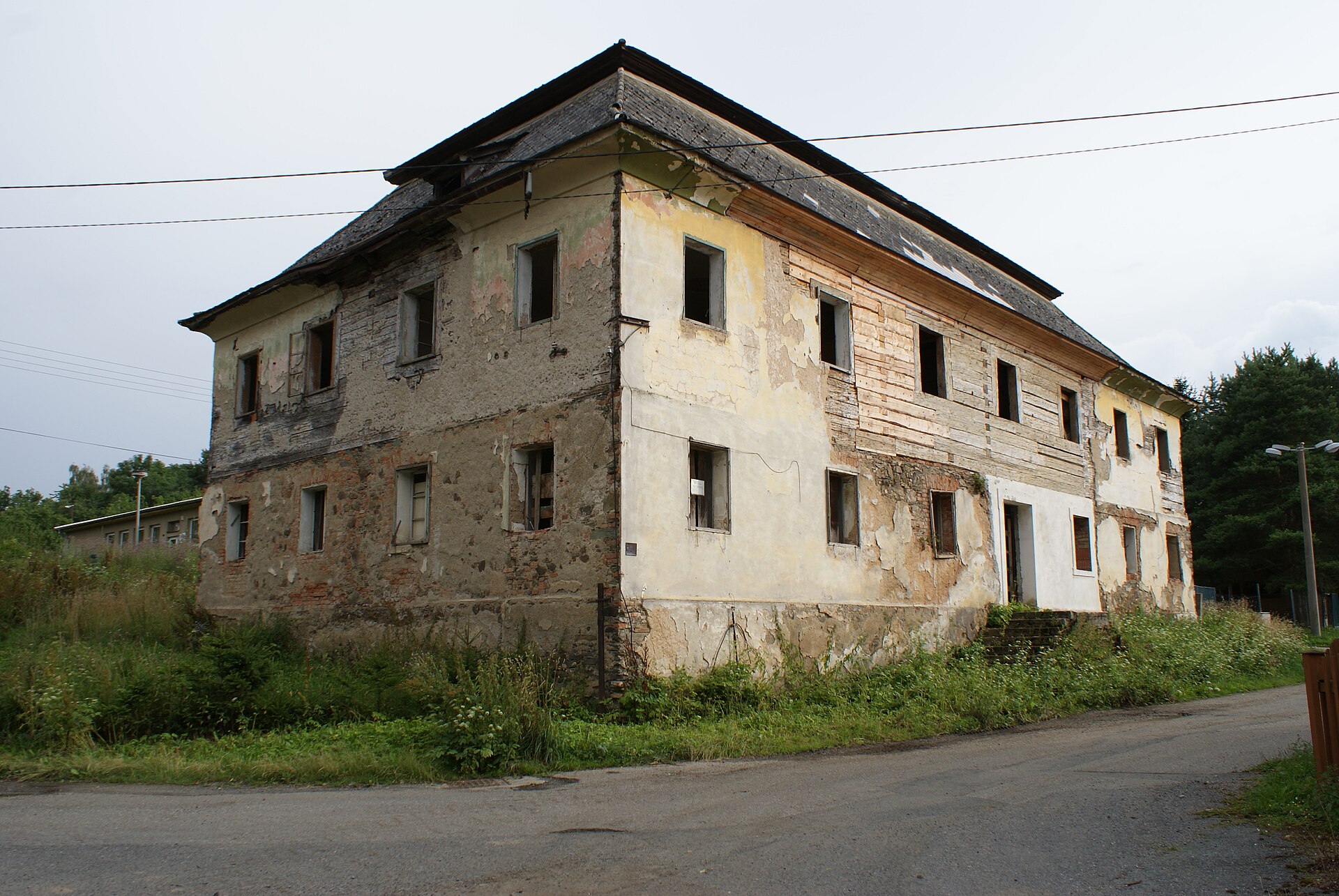
At the foot of the castle hill stands a restored Baroque chateau surrounded by an extensive park that combines a French-style garden with an English landscape park. Its centrepiece is a rose garden, popular with visitors during the flowering season. The combination of a medieval ruin and a Baroque residence in one place makes Potštejn one of the more popular excursion destinations in the Podorlicko region.
Frequently asked questions
Where exactly is Potštejn located? In the Rychnov nad Kněžnou District, Hradec Králové Region, above the Divoká Orlice river, about 4 km from Vamberk.
Who founded Potštejn Castle? It was built at the end of the 13th century by Procek of the Drslavic family.
Why did the castle fall into ruin? Decline set in from the 17th century onward, and the decisive blow came from tunnels dug by Jan Harbuval Chamaré while searching for treasure.
Can the castle be visited without a guide? No — visits are guided only and require groups of at least five people.
What is the difference between the castle (hrad) and the chateau (zámek) in Potštejn? They are two separate buildings: the medieval ruin on the hill, and a separately standing, restored Baroque chateau with a park at its base.
Nearby places

Earn badges for the places you visit
Download NextOnTrip, discover new places and check off your trails.