About this place
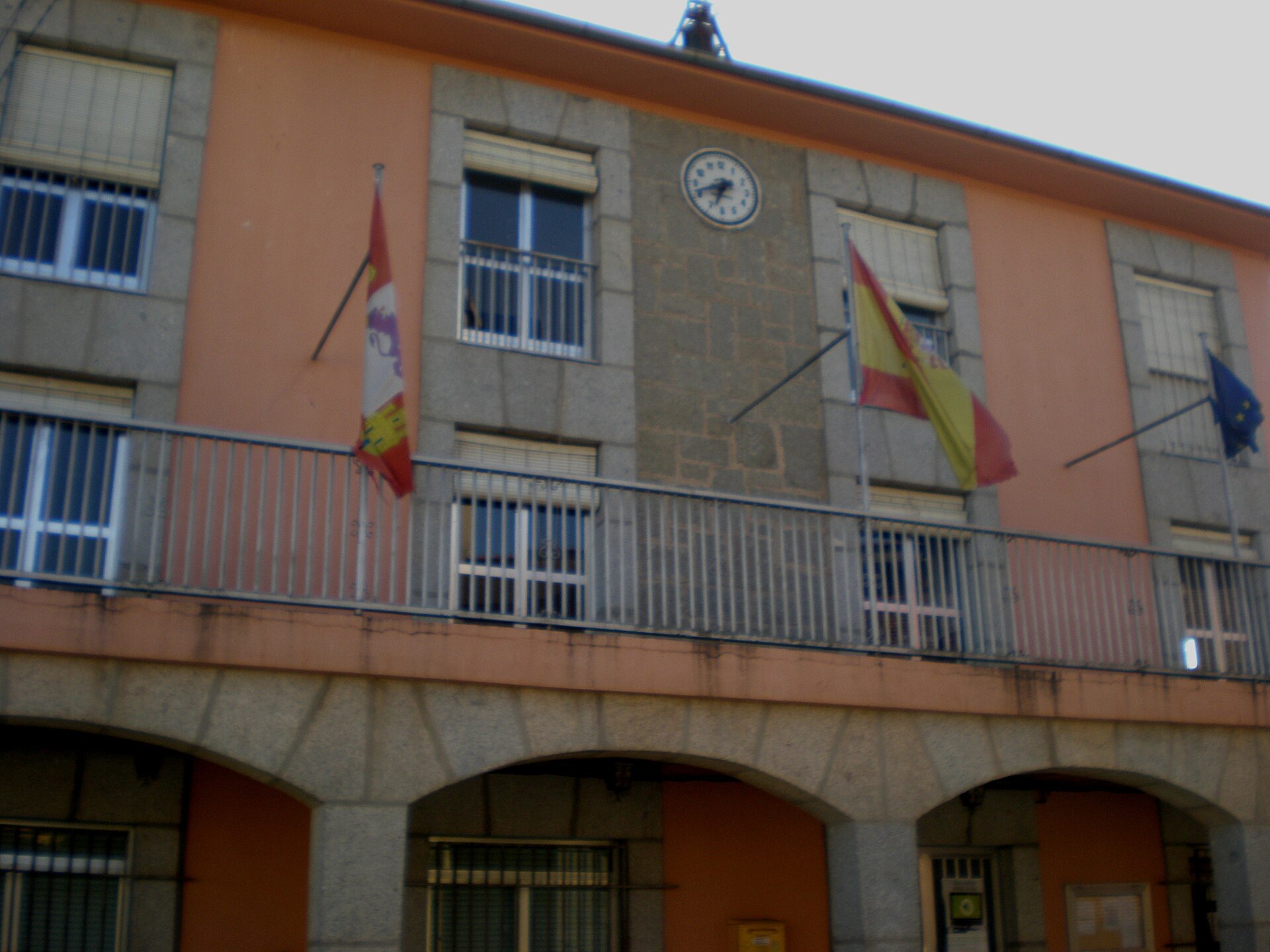
Pino del Oro town hall is the seat of local government in Pino del Oro, a small village in the province of Zamora, in the Castile and León region of Spain.
The building stands right in the heart of the village, on its main square, and serves the municipality's roughly 180 residents. It's a useful landmark for anyone travelling through Aliste, the historic comarca that stretches along Zamora's western edge, close to the Portuguese border.
How do you get to Pino del Oro?
The village sits in the western part of Zamora province, near the Arribes del Duero Natural Park, an area known for the deep canyons the Duero River has carved into the landscape. The easiest way in is by car from Zamora city, following local roads into the Aliste comarca — the drive typically takes around an hour. A car is practically essential here: public transport in the region is sparse, and Pino del Oro is a genuinely small farming village, not set up for mass tourism.
What's worth knowing about the town hall?
The town hall itself is a working administrative building rather than a monument, but its surroundings have plenty to offer. The centre of Pino del Oro has kept its traditional stone architecture, typical of villages in the Aliste comarca — low stone houses, narrow lanes, and the distinctive feel of the Castilian-Portuguese border country. The village's main historic building is the Church of San Juan Bautista, standing a short walk from the town hall.
The village name — literally "Golden Pine" — isn't accidental. Gold was mined in the surrounding area as far back as Roman times, in the 1st and 2nd centuries AD, and traces of that mining activity can still be spotted in the landscape around the village. The "del Oro" part of the name was only formally added in 2002, by agreement of the regional government of Castile and León; before that, the village was simply called Pino.
When should you visit?
The Arribes del Duero region is at its best in spring and autumn, when temperatures are mild and the Duero canyons look their most dramatic — especially early in the morning, when mist settles over the river. Summers here run hot and dry, typical of Spain's interior, while winters are cool but rarely extreme. If you're interested in birdwatching, spring is the most rewarding season: the canyons are nesting grounds for vultures and eagles.
What else is there to see nearby?
Pino del Oro makes a good base for exploring the Arribes del Duero Natural Park, one of the wildest stretches of the Spanish-Portuguese border. Neighbouring villages in the Aliste comarca preserve similar examples of rural stone architecture, and the whole area is known for traditional cooking built around local produce — meat, pulses, and regional wines.
Frequently asked questions
Can visitors go inside the Pino del Oro town hall? It's a working municipal office rather than a tourist site in the usual sense — think of it as a landmark in the village centre rather than a place to tour.
Where does the name "Pino del Oro" come from? It refers to gold mining carried out in the area during Roman times; the "del Oro" part was formally added to the village's name in 2002.
How big is the village? Pino del Oro has around 180 residents, making it a typical small village of Zamora province.
What's worth seeing nearby? The Church of San Juan Bautista in the village centre, and the Arribes del Duero Natural Park with its Duero River canyons, a short drive away.
Nearby places

Earn badges for the places you visit
Download NextOnTrip, discover new places and check off your trails.