About this place
Pazo do Bon Aire is an 18th-century episcopal residence in the parish of Masma, roughly 5 kilometres from Mondoñedo, tucked into the inland countryside of Galicia between the mountains and the Cantabrian coast. It is one of the lesser-known but architecturally interesting pazos of the Mariña Lucense area.
How do you get to Pazo do Bon Aire?
The manor sits in the parish of Santo André de Masma, on the road linking Mondoñedo with the coast, which lies about 15 kilometres further on. The easiest approach is by car from Mondoñedo along the local road running through the Masma river valley — the drive takes only a few minutes. This is rural countryside, so a car is the practical option; local bus connections are infrequent. The pazo stands close to other landmarks of the parish, such as the San Andrés de Masma parish church, so it's easy to combine a visit with a short loop through the surrounding villages.
What can you see there?
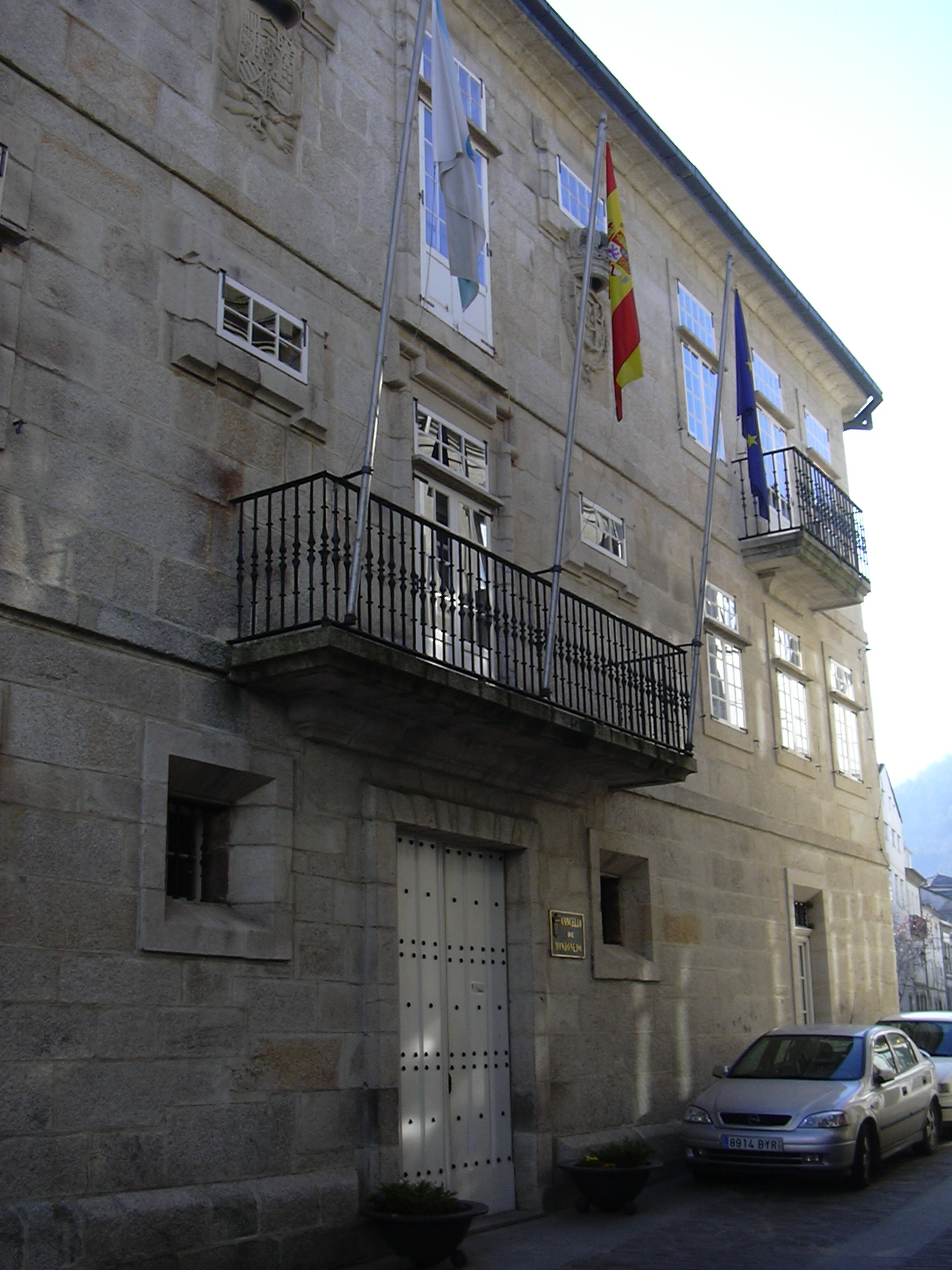
The building's design echoes Italian palace architecture, with a symmetrical façade said to draw on residences from the Medici era. It is arranged as a central block flanked by two projecting side wings, with a wide terrace stretching between them. The main façade is marked by a large iron balcony, while the rear features three semicircular arches and an imposing stone coat of arms bearing the founding bishop's family emblem. A chapel and extensive gardens with fruit trees adjoin the residence, along with a walled kitchen garden and its own water supply fed by a fountain — a layout typical of clergy summer residences of the period. Since the property is privately owned today, the best way to appreciate it is from outside, walking along the boundary wall and entrance gate rather than expecting interior access.
What's the history behind the palace?
The residence was built between 1734 and 1736 on the initiative of Bishop Sarmiento de Sotomayor, who in 1735 added the plot of land to the holdings of the Mondoñedo diocese with the intention of creating a summer retreat for himself and his successors. The work was directed by Fray Lorenzo de Santa Teresa, a Franciscan friar from the Mondoñedo convent who worked as an architect in the city during the second quarter of the 18th century and left several other buildings in the region. The name "Bon Aire" — "Good Air" — refers to the healthy, rural climate of the site: the bishop used it to host visits from members of the Mondoñedo Cathedral Chapter, treating the countryside stay as a break from city duties. Today the pazo stands as a record of provincial ecclesiastical architecture of the 18th century, blending a residential function with a representative one.
When is the best time to visit?
Spring and early summer (May to July) are the best months for exploring the countryside around Masma, when the green valleys of the Mariña Lucense look their most striking and temperatures are pleasant for walking. Autumn, especially September, is also a good choice — fewer visitors and mild weather. Winters in the region tend to be rainy and grey, making it harder to appreciate the architectural details of the façade and gardens.
Frequently Asked Questions
Can you go inside Pazo do Bon Aire? The property is privately owned, so interior access isn't guaranteed — visits are generally limited to viewing the architecture from the outside.
How far is it from Mondoñedo? About 5 kilometres, a drive of just a few minutes along the local road through the Masma valley.
Who built the palace, and when? It was built between 1734 and 1736 for Bishop Sarmiento de Sotomayor, with the work directed by the architect Fray Lorenzo de Santa Teresa.
Where does the name "Bon Aire" come from? It means "good air" and refers to the healthy rural climate of the site, where the bishop spent his summers and received guests from the cathedral chapter.
Nearby places

Earn badges for the places you visit
Download NextOnTrip, discover new places and check off your trails.