About this place
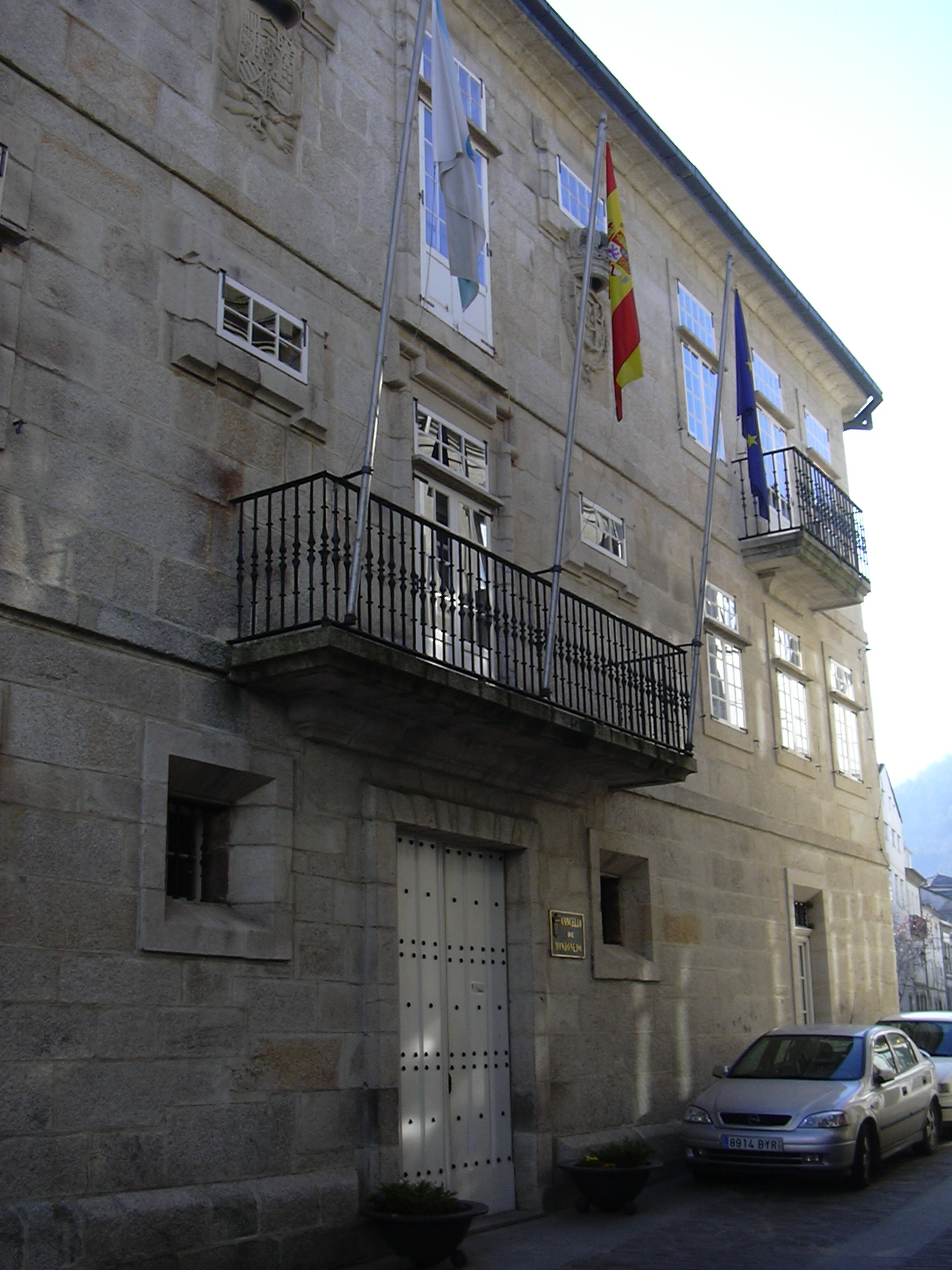
Pazo de San Isidro is a 17th-century manor house standing on a hillside above the valley of Mondoñedo, in Galicia's Lugo province. The building sits in the place known as O Couto de Outeiro, in the parish of Nosa Señora do Carme, near the Pasatempo bridge, and since 2018 it has held the status of Bien de Interés Cultural (BIC) — a "monumento" on Galicia's regional heritage register.
What is the history behind this pazo?
The site predates the current building by centuries. Local sources describe it as possibly having been a Roman domus or temple, later a medieval tower of justice, and later still a convent of Conceptionist nuns, before it was eventually converted into a noble residence. Nearby, a rollo de justicia — a stone pillory marking civil and criminal jurisdiction — was found, confirming that the site had long been tied to judicial and administrative authority in the area.
The building as it stands today is linked to the Vaamonde family. In 1627, the estate was acquired by Captain Pedro Fernández Vaamonde y Saavedra and his wife, María de Losada. After the captain's second marriage to María Pardo de Andrade, a family mayorazgo (entailed estate) was established in 1656 in favor of his son, Isidro Alonso Vaamonde Pardo y Sarmiento — the source of the pazo's present-day name. The family also founded the nearby chapel of Nuestra Señora del Socorro at Couto de Outeiro.
What does the architecture look like?
The pazo has an irregular ground plan, made up of several adjoining rectangular wings. At the back sits a porticoed courtyard, within which stand a chapel and a pombal — a traditional Galician dovecote. This layout, typical of grand Galician pazos, combined residential, agricultural, and religious functions within a single complex.
Can visitors go inside Pazo de San Isidro?
The pazo is private property and is not generally open to the public. It does, however, sit along the Camino de Santiago del Norte (Northern Way), so many pilgrims and travelers pass it on the approach to Mondoñedo and take it in from the outside as a landmark overlooking the valley. In 2022, reports surfaced of Austrian and Italian investors exploring the possibility of converting the pazo into a hotel — at that stage this was only under study, so it's worth checking current information before planning a visit around it.
Why was the pazo declared a Bien de Interés Cultural?
Legal protection began in 2017, when Galicia's Dirección General de Patrimonio Cultural opened the process to declare the pazo a cultural asset. The process concluded in April 2018, when a decree from the Galician government granted Pazo de San Isidro monumento status under the BIC designation — the region's highest level of heritage protection. The decision recognized both the architectural value of the complex and its layered, centuries-old history, from its possible Roman origins through its medieval judicial role to its life as the Vaamonde family's noble residence.
Frequently Asked Questions
Where is Pazo de San Isidro located? It stands on a hillside above the valley of Mondoñedo, at the site of O Couto de Outeiro (parish of Nosa Señora do Carme), in Lugo province, Galicia, near the Pasatempo bridge.
Can you go inside the pazo? No — it is private property and not generally accessible to visitors. It can be viewed from the outside, particularly from the Camino de Santiago del Norte route.
Since when has the pazo been legally protected? Since April 2018, when Decree 41/2018 from the Galician government declared it a Bien de Interés Cultural in the monumento category.
Where does the name "San Isidro" come from? From Isidro Alonso Vaamonde Pardo y Sarmiento, son of Captain Pedro Fernández Vaamonde, in whose favor the family's mayorazgo covering this estate was established in 1656.
Nearby places

Earn badges for the places you visit
Download NextOnTrip, discover new places and check off your trails.