About this place
Parque de Polvoranca is a large regional park in Leganés, on the southern edge of Madrid, sitting roughly midway between the towns of Alcorcón, Fuenlabrada, Leganés and Móstoles. Covering around 150 hectares, it ranks among the biggest green spaces in this part of the region and draws both local residents and visitors looking for a quiet break from the city.
What is there to see inside the park?
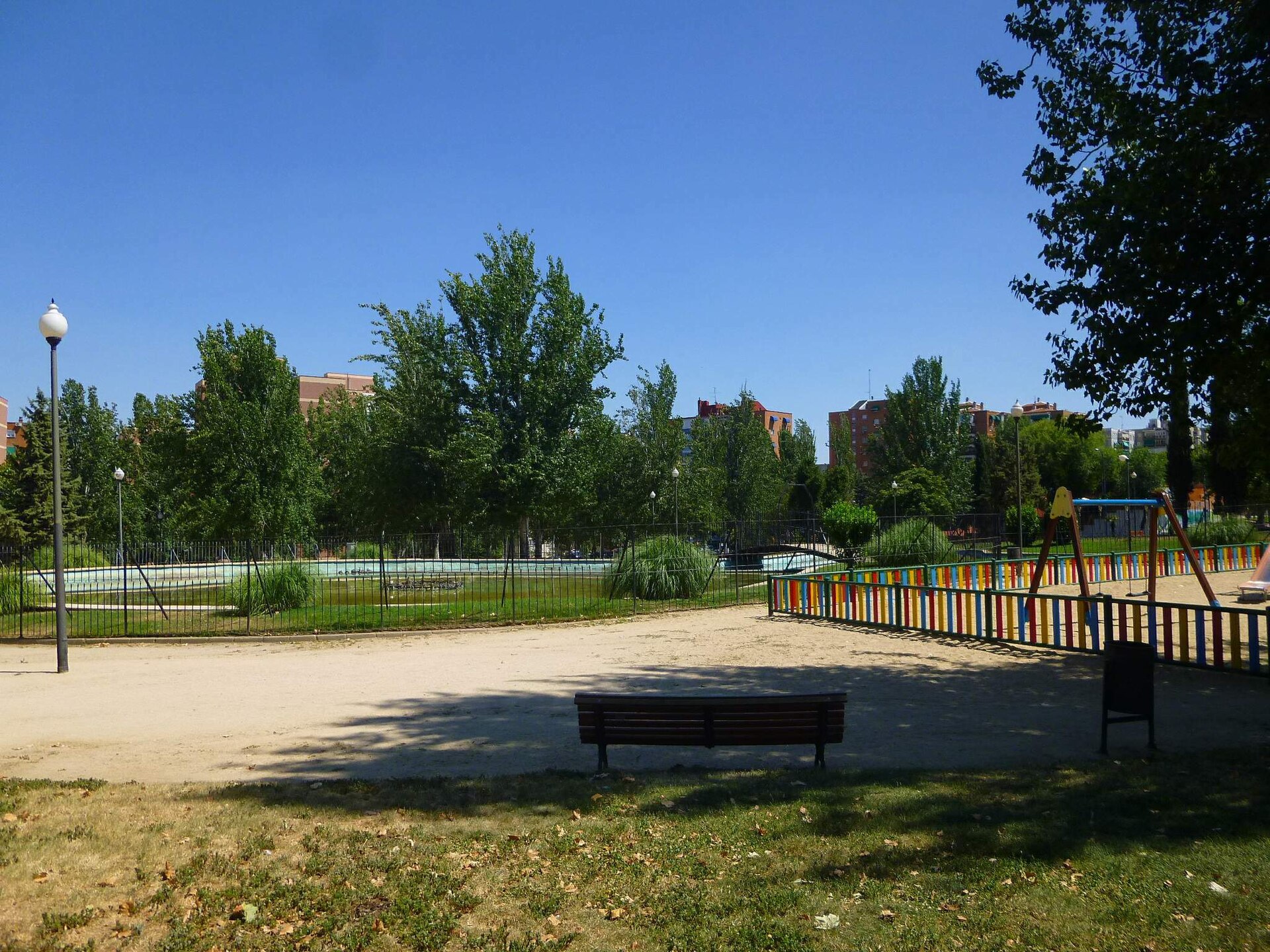
The park is built around the Recomba stream and two small lagoons, Mari Pascuala and Los Sisones, framed by footpaths and open lawns. Inside its boundaries you'll also find a botanical garden, an arboretum and several themed gardens gathering plants of different origins and character. Together they turn the park into an open-air classroom: more than 400 plant species grow here, and the mix of habitats supports a wide range of animals, especially waterfowl and other birds, making it a rewarding stop for casual nature watchers.
Is there anything historical to see here?
One of the park's most distinctive features is the ruined church of San Pedro. Raised in 1655 in the Baroque style, it was designed by architects tied to the royal court — Francisco de Mora and his nephew Juan Gómez de Mora. The remaining walls now sit quietly along one of the walking routes, a reminder that this land had a history long before it became a public park.
What can families and sports fans do here?
Polvoranca offers something for almost everyone. Long paths lined with benches run beside the lagoons, perfect for sitting and watching the water — the park takes on a particularly calm mood around sunset. Active visitors can use a 2.5 km fitness circuit with 18 exercise stations, while a separate area with 21 machines is set up specifically for older visitors. Sports infrastructure is plentiful too: football and basketball courts, table tennis, a cycling circuit, plus space for skating, skateboarding and games of bocce. As a result the park attracts everyone from families with young children to runners and cyclists putting in longer sessions.
Does the park run any educational activities?
Yes — Polvoranca has its own Activity Centre, which functions as a nature education hub. It hosts workshops and guided sessions covering the park's ecosystem, plants and wildlife, which is why the site is a popular destination for school outings and family trips that combine outdoor recreation with a bit of environmental learning.
Frequently asked questions
Where exactly is Parque de Polvoranca located? The park lies within the municipality of Leganés, in the southern part of the Community of Madrid, close to the borders of Alcorcón, Fuenlabrada and Móstoles.
How big is the park? It covers roughly 150 hectares, making it one of the larger regional parks in this part of Madrid.
What is the park's main highlight? Besides the lagoons and varied plant life, the ruined Baroque church of San Pedro, dating from 1655, is a standout feature.
Is the park good for active visitors? Yes — it has a dedicated fitness circuit, an exercise area for seniors, sports courts and cycling paths.
Can you spot wildlife in the park? Yes, the lagoons and varied habitats support more than 400 plant species and numerous bird species, making it a good spot for casual wildlife watching.
Nearby places

Earn badges for the places you visit
Download NextOnTrip, discover new places and check off your trails.