About this place
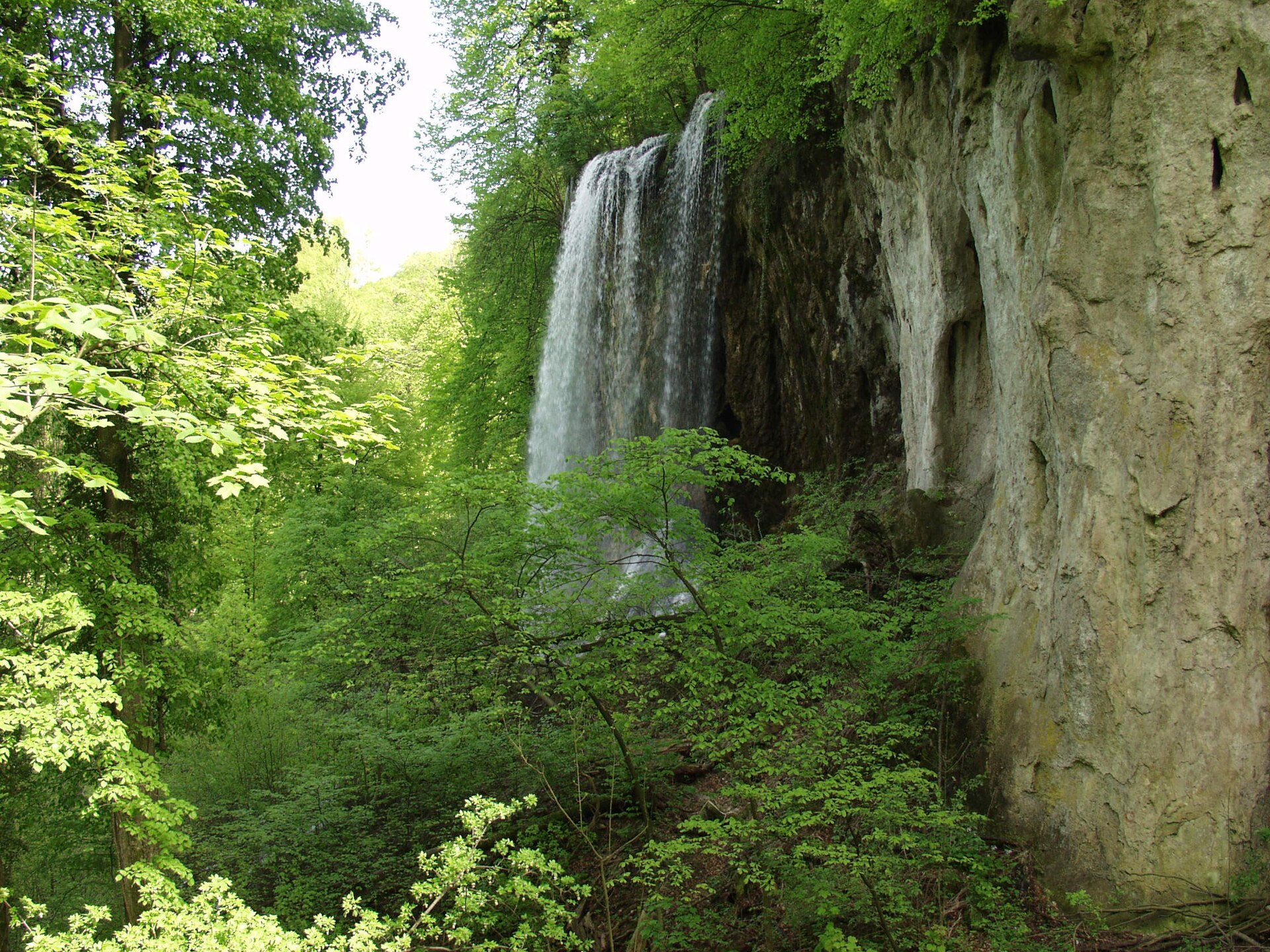
Papuk Nature Park is Central Europe's oldest UNESCO Geopark and the largest mountain range in Slavonia, eastern Croatia, sitting right beside the village of Slatinski Drenovac. Thick beech and oak forests here hide some of the continent's oldest rock formations, while quiet valleys give way to sweeping vineyards and orchards at the foot of the range.
Where exactly is Papuk?
Papuk stretches across the heart of Slavonia, bordered by the Bilogora hills to the northwest, the Krndija range to the east, and Ravna Gora and Psunj to the southwest. For centuries this cluster of mountains has marked a natural transition between Slavonia's flat lowlands and Croatia's more rugged interior. Slatinski Drenovac, a small village at the base of the massif, makes a practical launch point for exploring the park away from the crowds found at Croatia's better-known coastal destinations.
How do you get to Papuk Nature Park?
Driving is by far the easiest option — the region connects well to larger Slavonian towns such as Požega and Slatina, from which local roads lead toward the villages ringing the park's edges. Slatinski Drenovac sits on the northern side of the massif, making it a convenient starting point for trails heading up into the hills. It's worth planning ahead, since public transport in this part of Croatia is limited and local bus schedules can be irregular.
What is there to see inside the park?
Papuk draws geology enthusiasts and hikers above all. Its UNESCO Geopark status comes from an exceptional concentration of rock formations, some hundreds of millions of years old, making it one of the region's key sites for studying deep geological history. Beyond its scientific value, the park offers dense deciduous forest, scenic streams, and viewpoints overlooking the broad Slavonian plains below. Together with the neighboring Psunj and Krndija ranges, Papuk forms part of a larger natural complex well worth exploring over a longer stay.
When is the best time to visit?
Spring and early autumn are the most rewarding seasons — temperatures suit hiking, and the forest looks its best, with fresh green growth in spring and colorful foliage in autumn. Summers can turn hot, though the thick tree cover keeps most trails shaded. Winters in Papuk can be harsh, with snow settling in the higher sections and limiting access to some routes, but they also bring a quiet, secluded atmosphere for visitors seeking solitude.
Who should visit Papuk?
The park suits travelers who value quiet nature, hiking, and genuine outdoor immersion away from mass tourism. It's also a strong pick for anyone interested in geology or natural history, and staying near Slatinski Drenovac offers a taste of authentic, rural Slavonian life far from Croatia's main tourist circuits.
Frequently asked questions
What makes Papuk Nature Park stand out among Croatia's parks? Papuk is the oldest UNESCO Geopark in this part of Europe, owing to the exceptional age and diversity of its rock formations — a rarity among Croatia's other nature parks.
How close are the hiking trails to Slatinski Drenovac? The village sits right against the massif's northern slopes, giving quick access to trails and making it a natural starting point for hikes into the park.
Is Papuk suitable for a day trip? Yes, shorter trails and viewpoints can be covered in a single day, though fully experiencing the geopark and its neighboring ranges calls for a longer stay.
Which mountain ranges border Papuk? The park is flanked by Bilogora to the northwest and Krndija to the east, with Ravna Gora and Psunj to the southwest, together forming a larger mountain system across Slavonia.
Nearby places

Earn badges for the places you visit
Download NextOnTrip, discover new places and check off your trails.