About this place
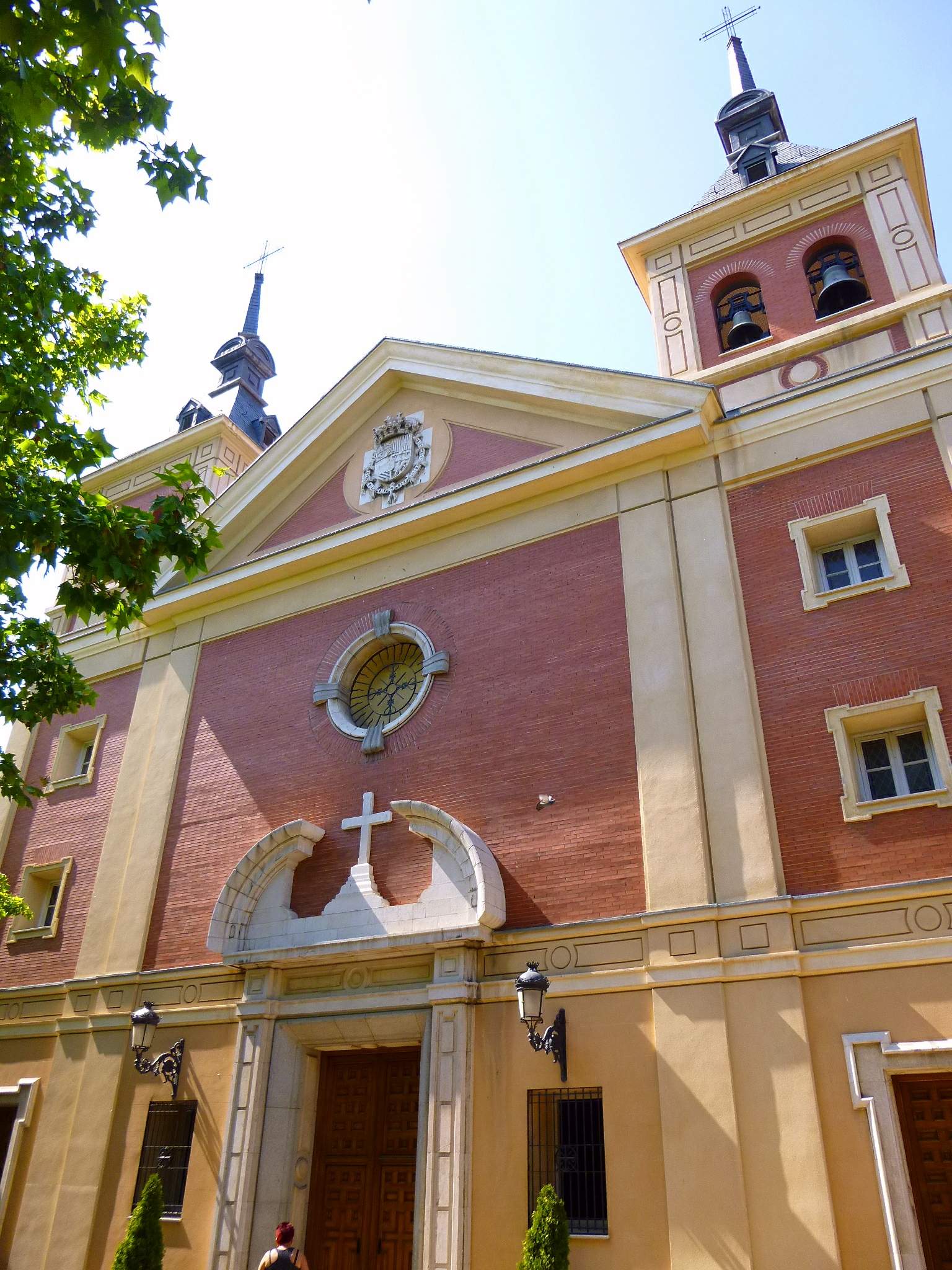
The Pantheon of Illustrious Men (Panteón de Hombres Ilustres) is a compact but atmospheric monument in Madrid's Retiro district, standing right next to Atocha train station. The building is physically attached to the Basilica of Our Lady of Atocha, forming a single architectural ensemble with it, yet it serves an entirely different purpose: it is a royal site set aside as a resting place and memorial for Spanish statesmen and military figures who rendered outstanding service to the country. The site is administered by Patrimonio Nacional, the body responsible for Spain's most significant national heritage properties, which underlines its official and symbolic weight.
How do you get there?
The pantheon sits in the heart of Retiro, immediately beside Atocha station, one of Madrid's busiest transport hubs. Getting there is straightforward: arrive at Atocha by long-distance train, Cercanías commuter rail, or Line 1 of the metro, then walk just a few minutes to reach the site. City buses also serve the surrounding streets, and the location makes it easy to continue on foot to Retiro Park or to the nearby Art Triangle (the Prado, Thyssen-Bornemisza, and Reina Sofía museums). Because of its proximity to the station, many visitors pass by it as their very first or very last stop in the city.
What will you see there?
The building was designed by Spanish architect Fernando Arbós y Tremanti, known for blending historical styles into distinctive, eclectic compositions. It was built as a burial site for individuals considered especially important to Spain — politicians and military leaders whose names are tied to key moments in the country's modern history. Inside, the atmosphere is solemn and monumental, in keeping with the tradition of nineteenth-century state mausoleums: forms borrowed from sacred architecture dominate, underscoring themes of national memory and remembrance. Joined directly to the basilica, the structure forms a coherent urban composition that stands out against the surrounding Retiro streetscape.
Why is it worth a visit?
This is not a fixture on typical "top ten Madrid" lists, yet it rewards travelers interested in Spanish history and in the sacred architecture of the late nineteenth and early twentieth centuries. Visiting the pantheon offers a different angle on Madrid than the city's major museums and palaces — a look at how the capital deliberately built spaces to honor its most significant historical figures. It pairs naturally with a visit to the adjoining basilica, allowing both buildings to be appreciated as one architectural whole.
When should you go?
Thanks to its central Madrid location, the site can be visited year-round. Spring and autumn are the most comfortable seasons for exploring the city on foot, since temperatures are milder than during the height of summer. Given its position right next to Atocha station, the pantheon works well as a stop on a short walking route through the area — for instance while waiting for a train connection or on the way to Retiro Park.
Frequently asked questions
What is the Pantheon of Illustrious Men? It is a historic royal site in Madrid that serves as a burial and memorial place for Spanish statesmen and military figures of note, managed by the Patrimonio Nacional heritage authority.
Where exactly is it located? In the Retiro district, directly adjoining the Basilica of Our Lady of Atocha, next to Atocha train station.
Who designed the building? Architect Fernando Arbós y Tremanti, known for his eclectic, historically inspired designs in Spain around the turn of the twentieth century.
Can it be combined with other sights nearby? Yes — its proximity to Atocha station, Retiro Park, and the Art Triangle museums makes it easy to include in a longer walk through this part of Madrid.
Nearby places

Earn badges for the places you visit
Download NextOnTrip, discover new places and check off your trails.