About this place
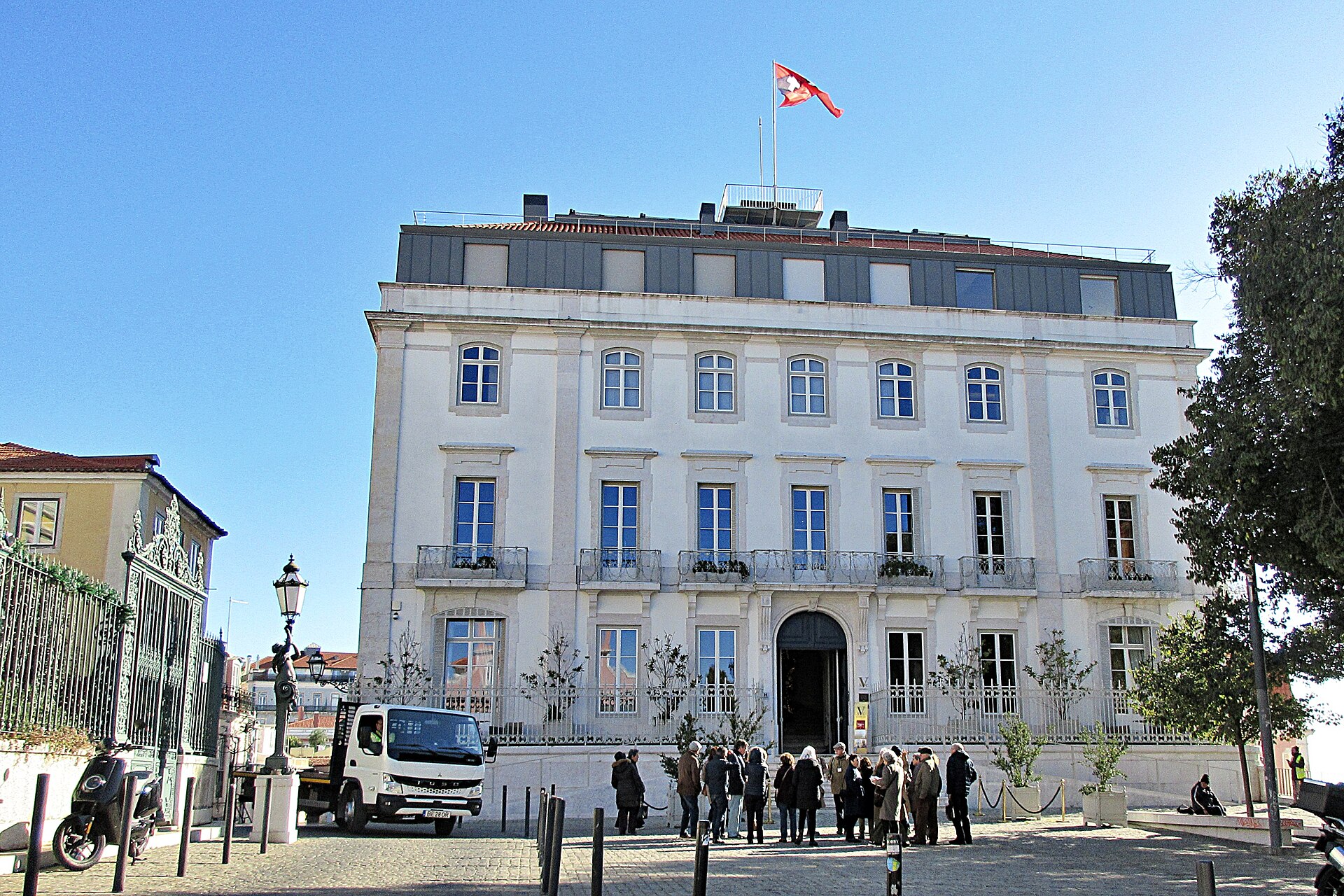
Palácio do Manteigueiro, also called Palácio Condeixa or Palácio da Horta Seca, is an eighteenth-century palace in Lisbon's Baixa Pombalina, at the corner of Rua da Horta Seca and Rua da Emenda. It combines a merchant's fortune, Pombaline architecture and the changing fortunes of its owners over two centuries.
Why is it called Manteigueiro?
In Portuguese, a "manteigueiro" is a butter seller. The nickname comes from the first owner, Domingos Mendes Dias, a wealthy merchant from Trás-os-Montes. He came to Lisbon and made his money in the wholesale butter trade, eventually joining the Pombaline bourgeoisie. The trade gave the building the popular name that has lasted to this day.
Who designed the palace?
The palace dates from about 1787 and was commissioned by Domingos Mendes Dias. The plan was drawn up by architect Manuel Caetano de Sousa (1742-1802), a Pombaline-era figure who also designed the library of the Mafra convent and the Church of the Incarnation in Lisbon. The result is an imposing late-eighteenth-century building, typical of the downtown area rebuilt after the earthquake.
What was the interior like?
The palace was known for lavish decoration. Ceilings were painted by Pedro Alexandrino (1730-1810), and the doors were made of Brazilian wood covered in damask. The palace staircases are studied separately as an example of period interior architecture.
What happened to the building later?
After the first owner, the palace passed through many hands:
- in 1804 it was occupied by the Count of Caparica,
- it then housed a British military hospital,
- from 1826 the English merchant João Fletcher lived there,
- later the Marquis of Lille, French minister plenipotentiary representing Napoleon III, resided here,
- in 1860 it was bought by the 1st Viscount of Condeixa, which gave rise to the name Palácio Condeixa.
A private residence eventually became a home for public institutions. Its history is presented, among others, by the library and archive of the Secretaria-Geral da Economia, which uses the historic building.
Frequently asked questions
Where is Palácio do Manteigueiro? In central Lisbon, in the Baixa district, on Rua da Horta Seca at the corner of Rua da Emenda.
Does it have other names? Yes: Palácio Condeixa and Palácio da Horta Seca.
Who designed it? Manuel Caetano de Sousa, commissioned by the merchant Domingos Mendes Dias.
When was it built? In 1787 according to Portuguese heritage sources; other descriptions simply say the late eighteenth century.
Why is it called Manteigueiro? After the butter trade on which its first owner built his wealth.
Who is it for?
The palace is worth a look on a walk through the Baixa Pombalina if you enjoy eighteenth-century architecture, Lisbon's post-earthquake history and the stories of old merchant families. It shows how a private residence was adapted by successive eras. Combine it with a stroll between Rossio and the Tagus waterfront, since the area is dense with monuments from the same period.
Check current access rules before visiting, because the interiors are used by a public institution and entry may be restricted.
Nearby places

Earn badges for the places you visit
Download NextOnTrip, discover new places and check off your trails.