About this place
Palacio de los Condes de Miranda is a Renaissance residence standing at the heart of Peñaranda de Duero, a small town in the province of Burgos, in Castile and León. Also known as the Palacio de Avellaneda, it ranks among the finest examples of Plateresque architecture in the region and is the main reason travelers detour off the wine routes of Ribera del Duero to visit this town.
How do you get to the palace?
Peñaranda de Duero sits in the province of Burgos, a short drive from Aranda de Duero, the largest town in the Ribera del Duero wine region. The easiest way to reach it is by car, along the local roads connecting Burgos and Aranda de Duero. The palace itself stands inside the historic center, so once you park at the edge of town the rest of the visit is done on foot. The town is a popular stop for travelers following the wine route, who combine tastings at nearby wineries with a short walk through the region's historic villages.
Who built the palace, and why?
The building's history begins with the Avellaneda family, who ruled the town from the 14th century onward and accumulated extensive landholdings in the surrounding countryside. It was their relatives, the Zúñiga family, who turned Peñaranda into the seat of their entail. Construction of the current palace was commissioned by Francisco de Zúñiga y Velasco, third Count of Miranda del Castañar, in the first third of the 16th century. Authorship of the design is attributed — though not without debate — to Francisco de Colonia or Nicolás de Vergara, architects linked to the leading building workshops of Castile at the time. With the palace's construction, the town itself was transformed: from a fortified settlement it became a noble seat befitting a family that had already rebuilt the local castle.
What will you see inside?
The palace is best known for its facade and central courtyard, both executed in the Plateresque style — richly ornamented with the fine sculptural detail typical of Spanish Renaissance architecture. Mudejar decorative elements appear alongside it, a reminder of how building traditions overlapped on the Iberian Peninsula. The most important room is the Salón de Embajadores (Ambassadors' Hall), regarded as one of the finest achievements of Renaissance art anywhere in Castile and León. Look out too for the staircase and the reception halls, which still preserve richly decorated coffered ceilings and stuccowork — details that were lost or altered in many comparable residences of the period.
When is the best time to visit?
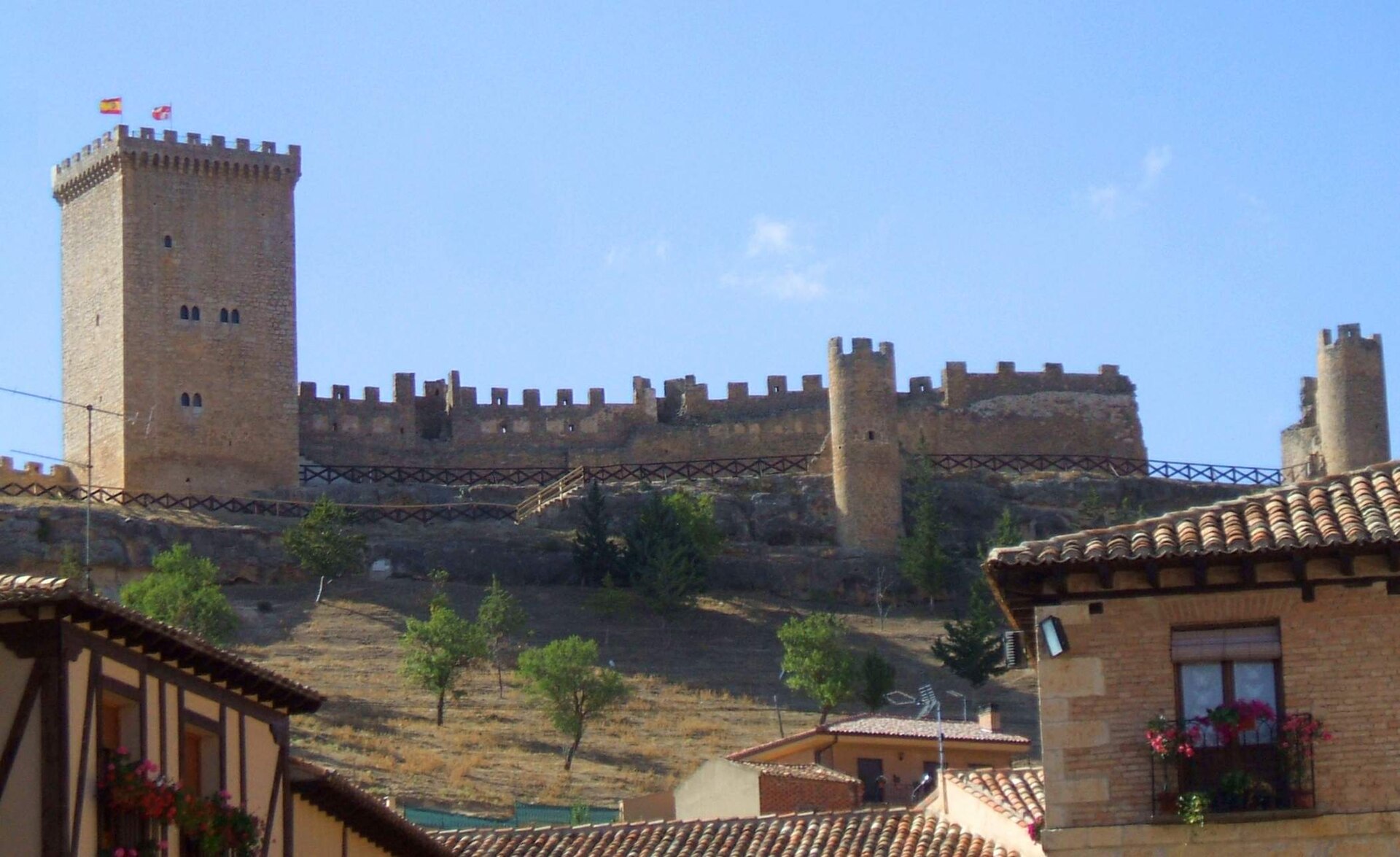
Peñaranda de Duero rewards an unhurried visit, and spring or early autumn are especially pleasant, when temperatures in the Ribera del Duero region are milder than in the height of summer. Opening hours for the palace can vary by season, so it's worth checking the current visiting schedule with the local tourist information office before you arrive. A visit to the palace itself doesn't take long, which leaves plenty of time to combine it with a walk up to the nearby castle hill and through the rest of the old town.
Frequently Asked Questions
What is the palace's other name? It is widely known as the Palacio de Avellaneda, after the family that ruled the town for centuries.
Who commissioned the palace? Francisco de Zúñiga y Velasco, third Count of Miranda del Castañar, ordered its construction in the early 16th century.
What architectural style is the palace built in? It is predominantly Plateresque, visible in the facade and courtyard, complemented by Mudejar decorative elements inside.
What is the highlight of the interior? The Salón de Embajadores, considered one of the most valuable Renaissance interiors in Castile and León, alongside the grand staircase and the coffered-ceiling halls.
Nearby places

Earn badges for the places you visit
Download NextOnTrip, discover new places and check off your trails.