About this place
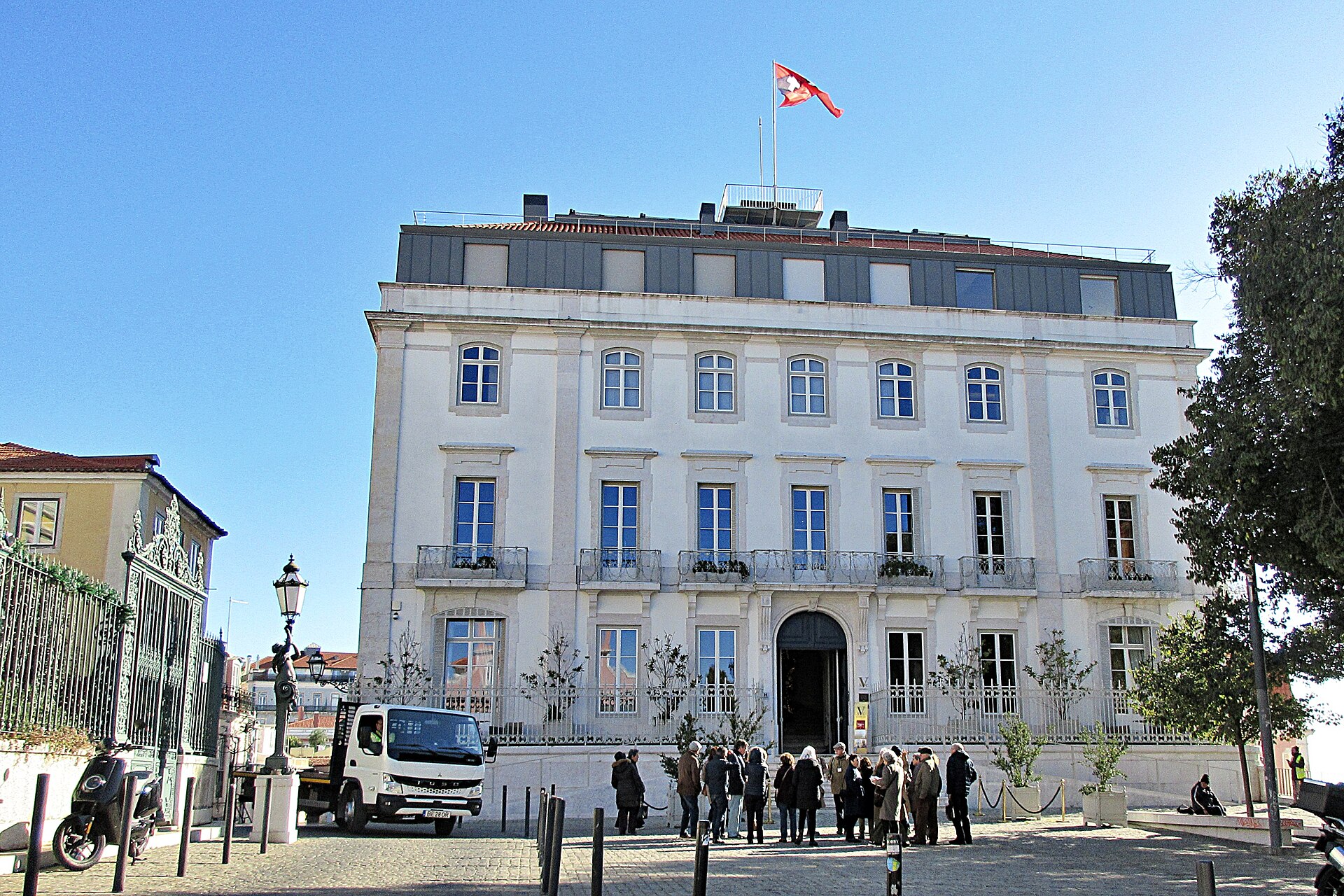
Palácio da Flor da Murta is a former palace in Lisbon, at Rua Poço dos Negros 158, in the Misericórdia parish. It was built in the 16th century and gradually rebuilt into its present baroque form during the 17th and 18th centuries. The palace owes its fame to one of its residents, a lady-in-waiting from the court of King John V.
Where is Palácio da Flor da Murta?
The palace stands in central Lisbon, in the Misericórdia district, on Rua Poço dos Negros. Its coordinates are roughly 38.7098 N, 9.1523 W. The area lies close to Bairro Alto and the Tagus waterfront, so it fits easily into a walk through the historic centre.
Where does the name "Flor da Murta" come from?
The name, meaning "Myrtle Flower", is tied to Dona Luísa Clara de Portugal of the Castelo Melhor house. In 1731 she lived in this palace. She served as lady-in-waiting to Queen Maria Anna of Austria and, according to historical tradition, was a mistress of King John V. She went down in history as the "Flor da Murta", and the nickname stuck to the building.
Who owned the palace?
The palace belonged to the Menezes family, lords of Alconchel. This noble lineage held the Lisbon residence for generations and shaped its architecture.
How did the building change?
The palace originally had two floors. In the 19th century a third storey was added, altering the proportions of the building. From the late 19th century until around 1920 the property was rented to the firm Street & Cia., which set up machinery workshops in the palace gardens. A garage later took their place. The building's story shows how old aristocratic residences in Lisbon changed function as the city developed.
What remains of the chapel?
In the 20th century the chapel dedicated to Nossa Senhora de Monserrate was deconsecrated. Only its portal, topped by a triangular pediment, and a cross survive on the side facade. Some of the decorative azulejo panels, the traditional Portuguese ceramic tiles, were also removed from the interior.
Is Palácio da Flor da Murta worth seeing?
If you are interested in Lisbon's architecture and the history of the 18th-century Portuguese court, the palace is a rewarding stop. The baroque facade with the remnants of the old chapel stands out most, along with the story of the court lady who gave it its name. It pairs well with a stroll through the surrounding streets, where many buildings from a similar period have survived.
Frequently asked questions
Where is the palace? In Lisbon, at Rua Poço dos Negros 158, in the Misericórdia parish.
What period is the building from? The 16th century, with baroque rebuilding in the 17th and 18th centuries.
Who gave the palace its name? Dona Luísa Clara de Portugal, known as "Flor da Murta", who lived here in 1731.
Does the chapel survive? Only its portal with a triangular pediment and a cross on the side facade.
Nearby places

Earn badges for the places you visit
Download NextOnTrip, discover new places and check off your trails.