About this place
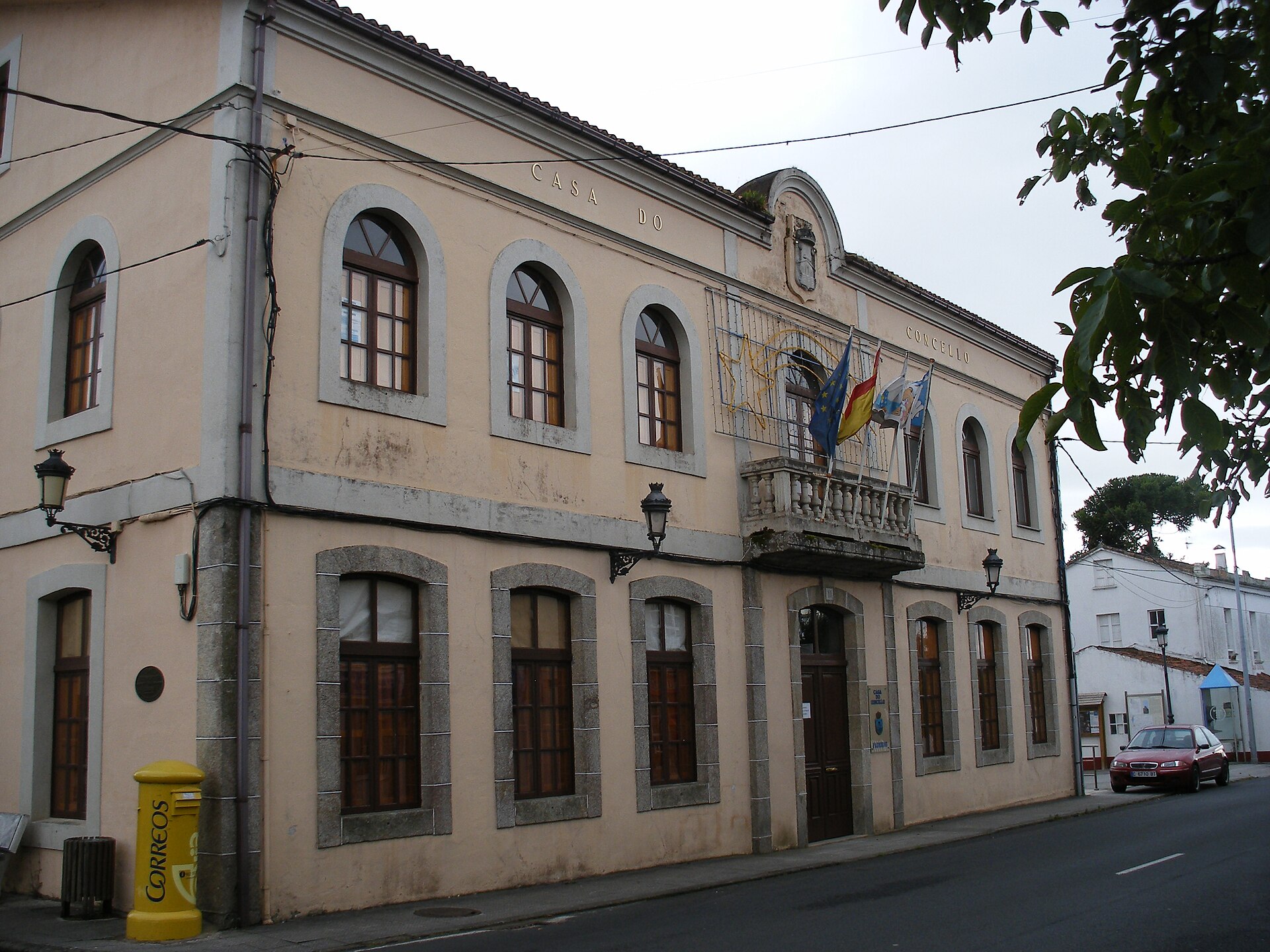
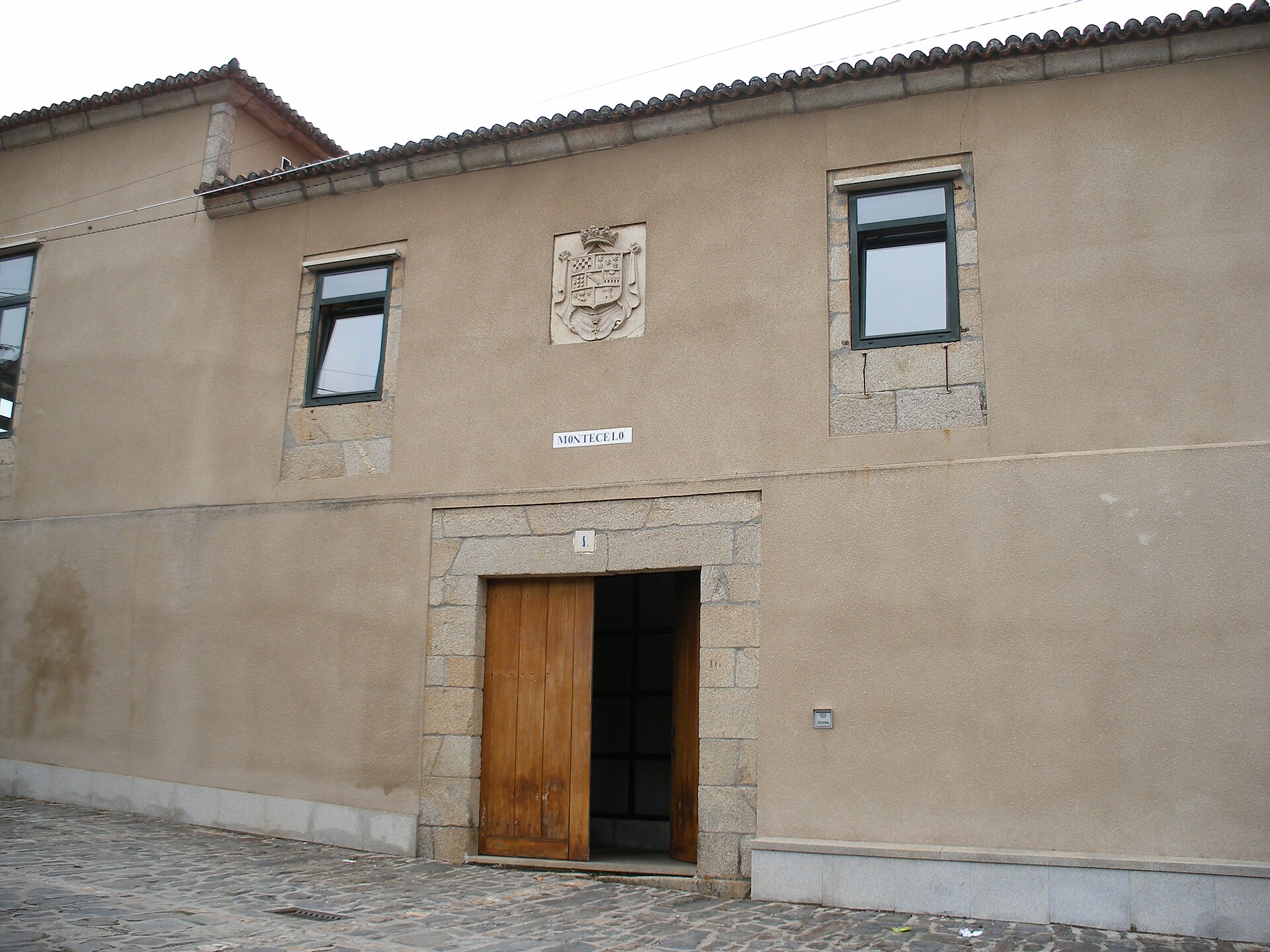
Paderne Town Hall (Pazo de Moscoso) is a 16th-century Galician manor house that now serves as the seat of the municipal government of Paderne, in the province of A Coruña, Galicia, Spain.
How to get there?
Paderne sits in the comarca of Betanzos, roughly 26 km east of A Coruña. Driving is the most practical option — the trip from A Coruña takes about half an hour, and Betanzos, the nearest larger town, makes a good base for exploring the wider area. The municipality also lies along the Camino Inglés, one of the historic routes of the Camino de Santiago, so some visitors arrive on foot as part of a longer pilgrimage toward Santiago de Compostela. The surroundings are rural, so a car is the easiest way in if you're not walking the trail.
What will you see?
The town hall occupies a converted pazo — the type of stone manor house typical of Galicia, traditionally built alongside a manor courtyard and a family chapel. Pazo de Moscoso dates to the 16th century and belonged to local nobility for generations before being repurposed as the municipal administration building. The appeal for visitors lies in its solid stone architecture, characteristic of Galician noble residences of the period: thick walls, plain, functional façades, and restrained decorative detail that speaks more to status than to ornament.
The municipality of Paderne itself has a much longer history than the town hall building. Settlement in the area dates back to Roman times, and the medieval town was founded in the 10th century by Pedro Fróilaz, Count of Traba, one of the most influential figures in medieval Galician history. In the 15th century, Paderne came under the control of the House of Andrade, one of the region's most powerful noble families, placing the town hall and its surroundings within a broader network of Galician aristocratic estates from that era.
A visit to Paderne pairs well with a short walk through the town itself — a small, quiet municipality of around 2,450 residents, typical of rural Galicia, with scattered housing and plenty of green surroundings.
When to visit?
Spring and summer are the best times to come, when Galician weather is at its most stable and days are longer — useful both for exploring the area and for anyone walking into Paderne along the Camino Inglés. Autumn is also pleasant, with fewer visitors than peak season. Winters in this part of Galicia tend to be wet and changeable, which can make longer walks less comfortable, though the town hall building itself can be viewed year-round.
Frequently asked questions
Can you visit the inside of Paderne Town Hall? The building functions as the municipal administrative office, so interior access is generally limited to office hours and official business — it isn't a museum open to visitors on a permanent basis.
What is Pazo de Moscoso? It's a 16th-century stone manor house typical of Galician noble architecture, later converted into the seat of the Paderne municipal government.
Is Paderne on the Camino de Santiago? Yes, the municipality lies along the Camino Inglés, one of the historic routes of the Way of St. James leading to Santiago de Compostela.
How far is Paderne from A Coruña? About 26 kilometers, roughly a half-hour drive to the east through the comarca of Betanzos.
Nearby places

Earn badges for the places you visit
Download NextOnTrip, discover new places and check off your trails.