About this place
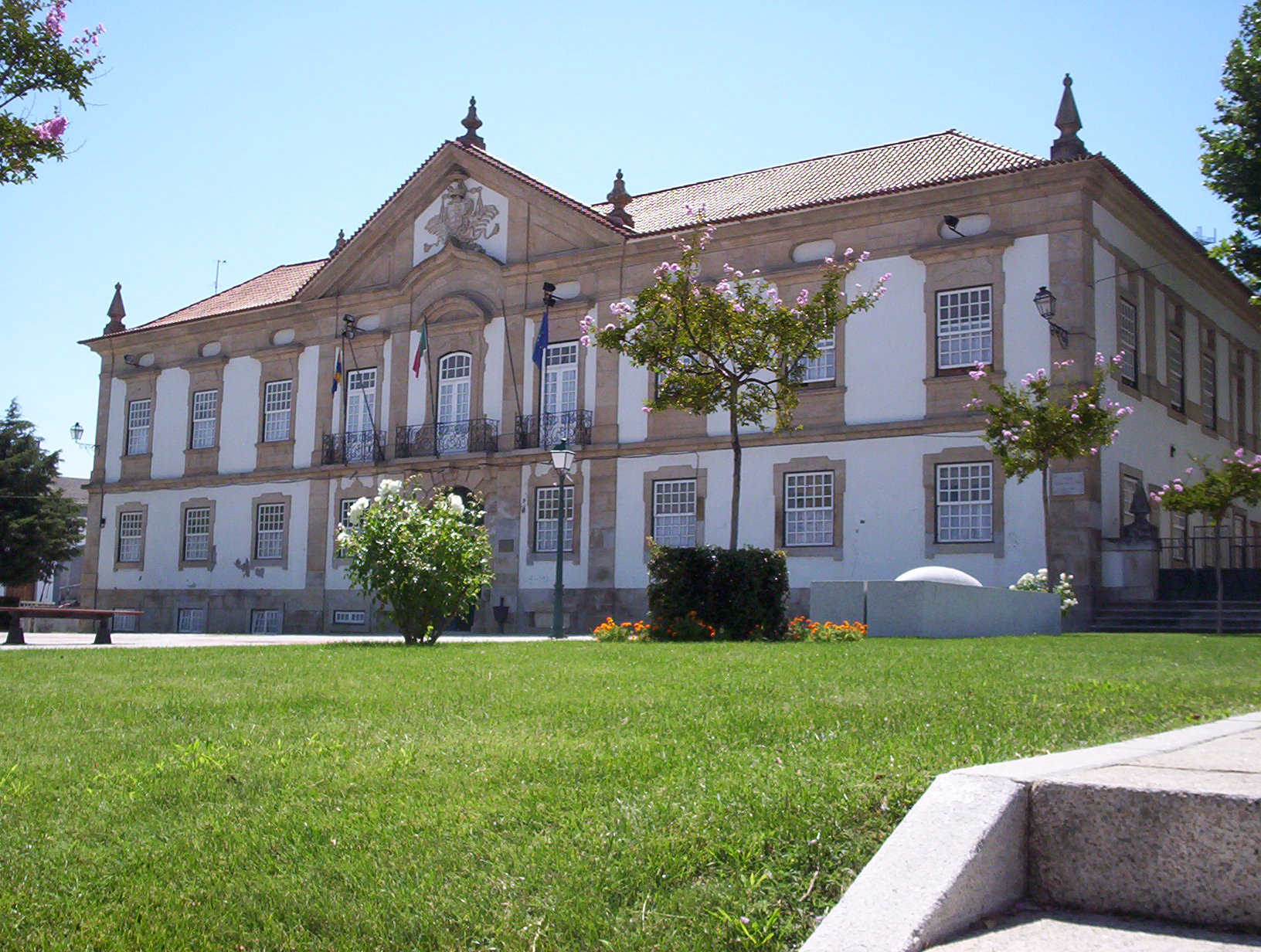
Paço Episcopal de Pinhel (the Antigo Paço Episcopal, or Old Episcopal Palace) is an eighteenth-century bishop's residence in Pinhel, a town in Portugal's Guarda region. Today it houses the Casa da Cultura and the Municipal Museum, so visitors can explore the building together with the local collections.
Who built the palace, and when?
The Diocese of Pinhel was created in 1770. Its third bishop, D. José António Pinto de Mendonça Arrais, commissioned the residence, with construction ordered between 1783 and 1797. It was meant to be part of a larger scheme: the palace would form the western side of a great square, a similar building for a seminary would form the eastern side, and the cathedral façade would close the third.
Why was the square never finished?
The bishop and the municipal council fell into disagreement, and the dispute prevented the grand project from being fully realised. What remains is the palace itself rather than the complete planned ensemble.
What does the building look like?
It is residential architecture that blends Baroque, Pombaline and Classicist styles, with distinctly Baroque elements. The plan is quadrangular, enclosing an inner courtyard.
How has its use changed?
After the Diocese of Pinhel was abolished in 1882, Infantry Regiment No. 24 was installed in the former palace. Over the following decades the building was altered many times to host varied programmes, including military and police headquarters, a school and a student residence.
How did it become the Casa da Cultura?
Creating the Casa da Cultura made it possible to rehabilitate the old bishop's residence. The project ran in two phases. The first, called "subtraction", removed superfluous elements and kept only what was useful for the intended spaces. The second, "addition", introduced new materials and finishes, restoring the building's original nobility. The work is often cited as an example of contemporary intervention in a historic building.
What can you see here?
The Casa da Cultura is a multifaceted cultural space inside an imposing building with fine architectural features. It houses the Municipal Museum of Pinhel (Museu José Manuel Soares), which presents the town's material and immaterial heritage.
Heritage status
In October 2014 the Secretary of State for Culture ordered a new classification procedure, and the property was in the process of being designated as heritage.
Frequently asked questions
Is there a museum in the palace? Yes, the Municipal Museum of Pinhel operates inside the Casa da Cultura.
When was the palace built? Construction was ordered between 1783 and 1797.
Who commissioned it? Bishop D. José António Pinto de Mendonça Arrais.
Do bishops still live there? No. The diocese was abolished in 1882, and the building later served military, school and cultural purposes.
Nearby places

Earn badges for the places you visit
Download NextOnTrip, discover new places and check off your trails.