About this place
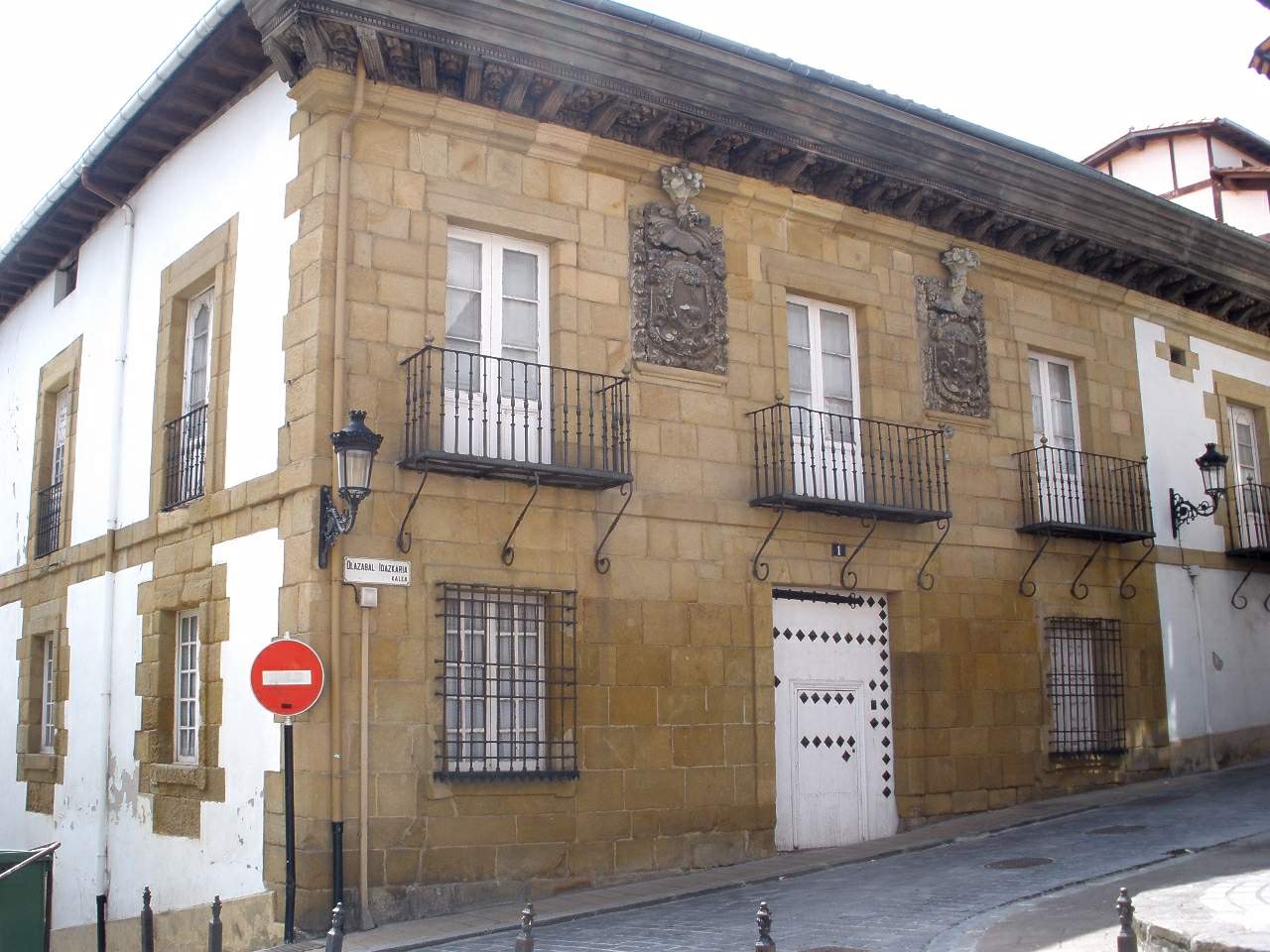
Olazabal etxea is a 17th-century town palace standing in the historic centre of Zumaia, in the Basque Country (Gipuzkoa). The Basque word "etxea" simply means "house," and the building is also known as Palacio Olazabal or Casa Olazabal.
Who built the Olazabal palace?
The house was commissioned by Juan de Olazabal, a Basque nobleman connected to the court of King Felipe IV. He held the post of secretary to the Royal Council and served as accountant general of the Inquisition, placing him among the more influential figures close to the monarch. Despite his career in Madrid, he stayed tied to his home town: he funded the local school with a sum of more than 56,000 maravedís and took part in disputes between Zumaia and other institutions, including the collegiate church of Roncesvalles. In gratitude, one of the old town's streets was later named after him — "calle Secretario Olazabal."
What does the palace look like?
The façade is built from sandstone and follows the sober yet elegant style typical of 17th-century Basque palatial architecture. Two large stone-carved coats of arms of the Olazabal family flank the central balcony, while the upper floor balconies are fitted with wrought-iron railings. A decorated eave in the classic Basque style crowns the building. The contrast between plain stonework and rich heraldic decoration is what makes the façade stand out among the other houses of the old quarter.
Where exactly is Olazabal etxea in Zumaia?
The palace sits right in the heart of Zumaia's historic centre, close to the San Pedro parish church. It faces the San Juan fountain, one of the old town's recognisable landmarks, which makes the building easy to spot while walking through the centre. Because both sites are so close together, they can easily be combined into a single short walking stop.
When is the best time to see or photograph the palace?
Given the orientation of the façade, sunrise and sunset light works best, bringing out the texture of the sandstone and the detail of the coats of arms and ironwork. It's a useful tip for visitors who want to see the building without crowds and in favourable light.
Frequently Asked Questions
What does the name "Olazabal etxea" mean? "Etxea" is the Basque word for "house." The name refers to the house, or palace, of the Olazabal family, who had it built and after whom the whole property is named.
Can visitors go inside the palace? The available tourist information describes the palace as a building to be admired from the outside, as part of the old town's architecture — there is no indication of regular indoor visits, so it's best to plan on viewing the façade and its surroundings.
What are the most notable architectural features? The sandstone façade, the two large Olazabal family coats of arms above the central balcony, and the wrought-iron balcony railings together with the decorated eave are the details that draw the most attention.
Are there other attractions nearby in Zumaia? Yes — the palace stands opposite the San Juan fountain and close to the San Pedro parish church, so both can be visited as part of the same short route through the old town.
Nearby places

Earn badges for the places you visit
Download NextOnTrip, discover new places and check off your trails.