About this place
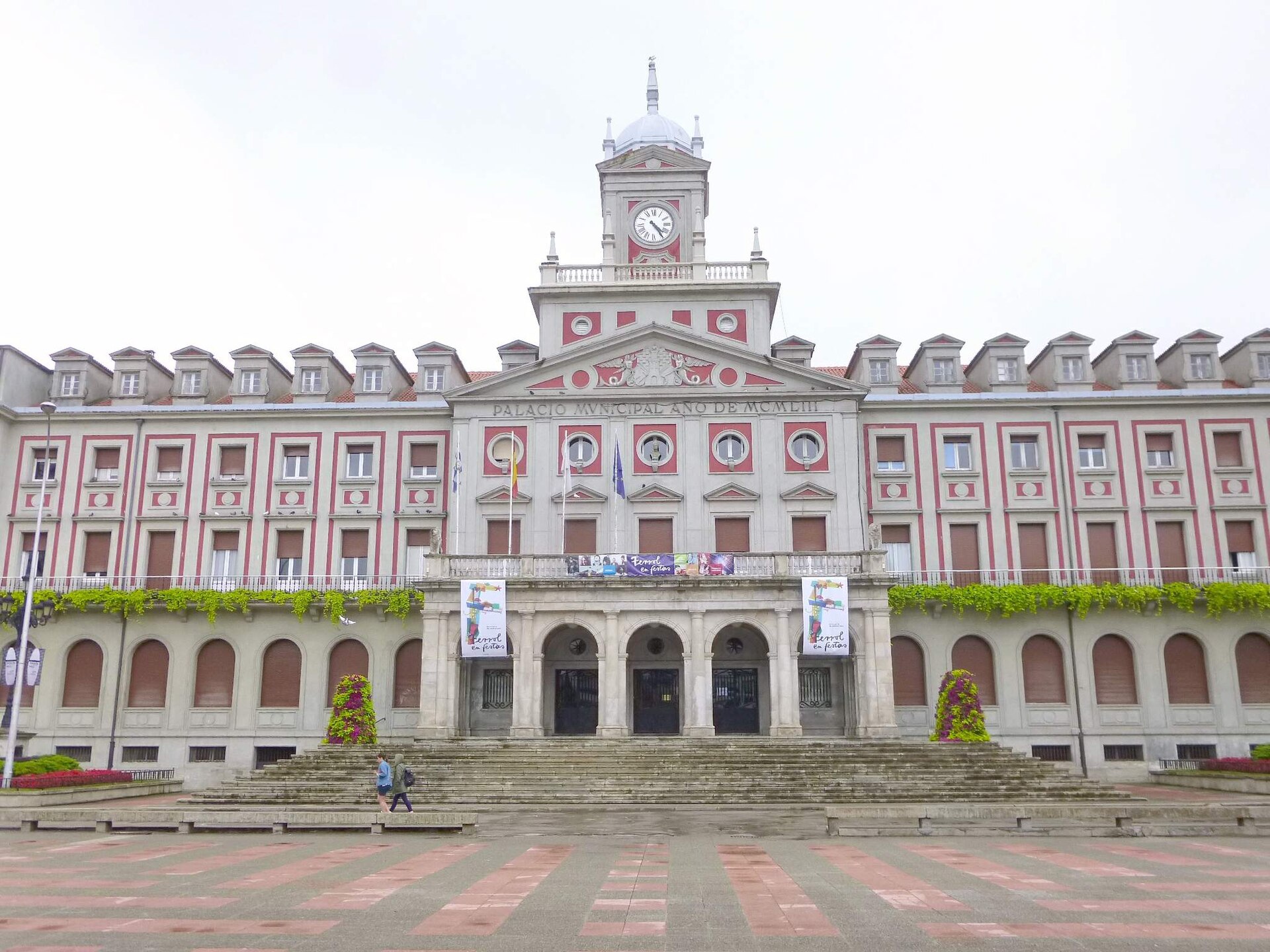
Casa do Concello de Narón, the town hall of Narón, sits in a city in Galicia's A Coruña province that has grown so close to neighboring Ferrol that the two feel almost stitched together. For visitors trying to make sense of the area, the town hall is a useful anchor point.
Where is the town hall located?
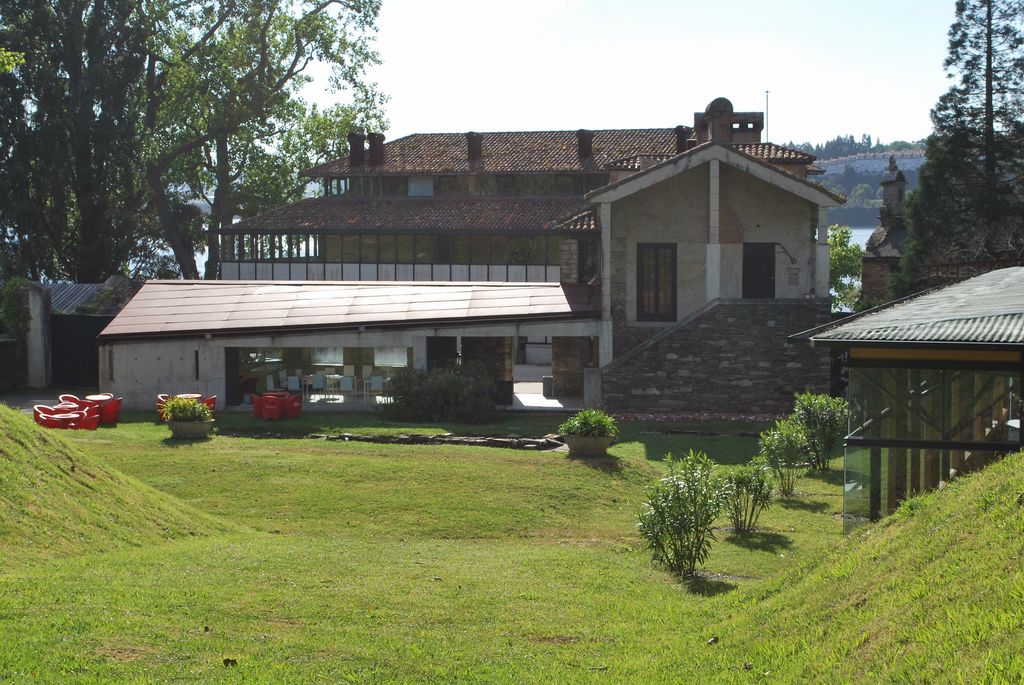
The current town hall building stands in the part of Narón closest to Ferrol, and that positioning is deliberate. The local government used to be based in Xuvia, a historic district of Narón tied to the nearby former monastery of San Martiño de Xubia. Over time, as daily life and services became more entwined with Ferrol, several municipal functions — including the health center and the library — shifted toward the new, more central location.
What is the history behind the current building?
The present Casa do Concello has operated since 2001, when the new administrative building opened. The move reflected the city's growth and the practical need to bring public services together in one accessible spot rather than leaving them scattered across the older Xuvia district. The former Casa Consistorial in Xuvia remains part of the town's story even though its administrative role passed to the new building.
Why does the town hall's location matter for travelers?
Narón and Ferrol are so urbanistically continuous that a visitor unfamiliar with local administration can easily miss where one city ends and the other begins. The town hall works as a practical reference point for sorting that out, which is genuinely useful if you're planning to explore both towns in a single day.
What should visitors know about Narón itself?
Narón ranks as the eighth-largest municipality in Galicia, and its history runs deeper than its modern administration suggests. The city occupies the valley carved by the Xubia river, and its roots trace back to the Romanesque church of the former monastery of San Martiño de Xubia — one of the more significant historic sites in the region. That river valley shaped the city's layout, including where successive seats of local government ended up.
Is the area around the town hall worth a stop?
The administrative building itself isn't a sightseeing destination, but its surroundings — bridging the newer part of the city with the historic Xubia valley — make a reasonable starting point for exploring the area. Pairing a visit here with a look at the sites connected to the San Martiño de Xubia monastery, and a walk toward Ferrol given how close the two towns are, makes for a sensible route.
Frequently Asked Questions
Can you tour the Narón town hall like a historic monument? No, it's a working administrative building rather than a museum site. Its value for visitors lies mainly in helping them get their bearings in the city.
Why was the old town hall based in Xuvia? Xuvia is a historic district of Narón closely tied to the former monastery of San Martiño de Xubia, and municipal life originally centered there.
Are Narón and Ferrol basically one city? They're formally two separate municipalities, but the built-up area is so continuous that the administrative border often isn't obvious to someone exploring on foot.
What's the main historical landmark in Narón besides the town hall? The Romanesque church of the former monastery of San Martiño de Xubia, considered one of the more important historic sites in the wider Ferrolterra area.
Nearby places

Earn badges for the places you visit
Download NextOnTrip, discover new places and check off your trails.