About this place
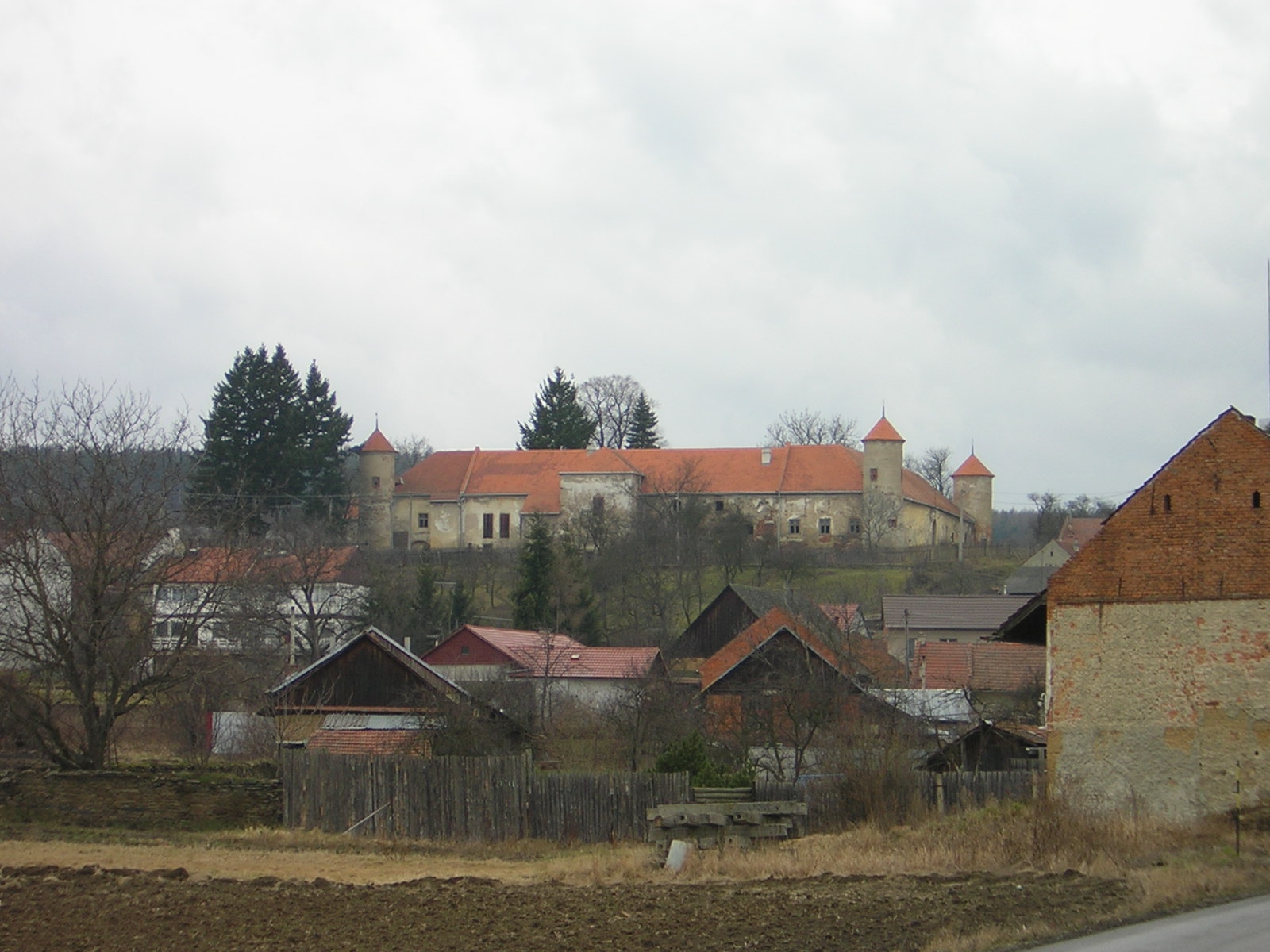
Náměšť na Hané Chateau is a Baroque residence in the heart of Moravia, in the Olomouc Region, best known for its circular garden, a collection of Meissen porcelain, and a set of historic ceremonial coaches. Built in the second half of the 18th century as a new summer seat for the Harrach family, it still carries the French-influenced, classicist character its builders gave it.
How did the chateau's story begin?
The Harrach family, one of the notable houses of the Habsburg monarchy, purchased the Náměšť estate in 1726. At first the family resided in the older Lower Chateau, which stood on the site of an earlier medieval stronghold. By the end of the Seven Years' War, Count Ferdinand Bonaventura of Harrach judged that the old residence no longer met the standards of the age, and set out to build a new, representative seat. The foundation stone of this new building, raised near the ruins of the medieval castle, was laid on March 1, 1766.
In what style was the new chateau built?
The new residence, known as the Upper Chateau, was raised in the early Classicist "Moravian" Baroque style, with clear French architectural influences. The building stands at the centre of a circular garden, from which lime-tree avenues radiate in four directions — a layout typical of French-inspired residences of the period, and still one of the most recognisable features of the estate today.
How did ownership change over the centuries?
After Count Harrach's death in 1778, the estate passed to his daughter, Marie Róza, who was married to Count Josef Kinský. The Kinský family held Náměšť for 124 years. The last of the Náměšť branch, Count Evžen II, sold the entire estate in 1916 to František Ottahal, an iron wholesaler from Olomouc, for 2,300,000 Austrian crowns. The Ottahal family lost the property only weeks after the end of the Second World War: on June 17, 1945, it was confiscated under the Beneš decrees, among the very first such confiscations in Czechoslovakia.
What happened to the chateau after the war?
Following the confiscation, the chateau passed into public administration. Until 1999 it was owned by the Regional Museum in Olomouc, and since July 1, 2000 it has belonged to the township of Náměšť na Hané, which still administers it today.
What can visitors see inside?
Among the chateau's most distinctive holdings is a valuable collection of Meissen porcelain. The property also preserves a set of ceremonial and travelling coaches that once belonged to the archbishops and bishops of Olomouc, dating from the 18th to the 20th century. This combination of representative interiors and a genuinely unusual carriage collection sets the chateau apart from other regional residences.
Frequently asked questions
Who built Náměšť na Hané Chateau? The Upper Chateau was commissioned by Count Ferdinand Bonaventura of Harrach, whose family had held the Náměšť estate since 1726. Construction began on March 1, 1766.
What architectural style does the chateau represent? It is an example of early Classicist Moravian Baroque with French influences, its layout centred on a circular garden with four lime-tree avenues.
Who owned the chateau after the Harrach family? From 1778 the estate belonged to the Kinský family, through the marriage of Marie Róza Harrach, who held it for 124 years before selling it in 1916 to František Ottahal.
When did the chateau become public property? After its confiscation in 1945, the chateau was owned by the Regional Museum in Olomouc until 1999, and has belonged to the township of Náměšť na Hané since July 1, 2000.
What are the highlights of a visit? Visitors can see the Meissen porcelain collection and the historic ceremonial and travelling coaches of the Olomouc archbishops and bishops, as well as the circular park with its lime-tree avenues surrounding the building.
Nearby places

Earn badges for the places you visit
Download NextOnTrip, discover new places and check off your trails.